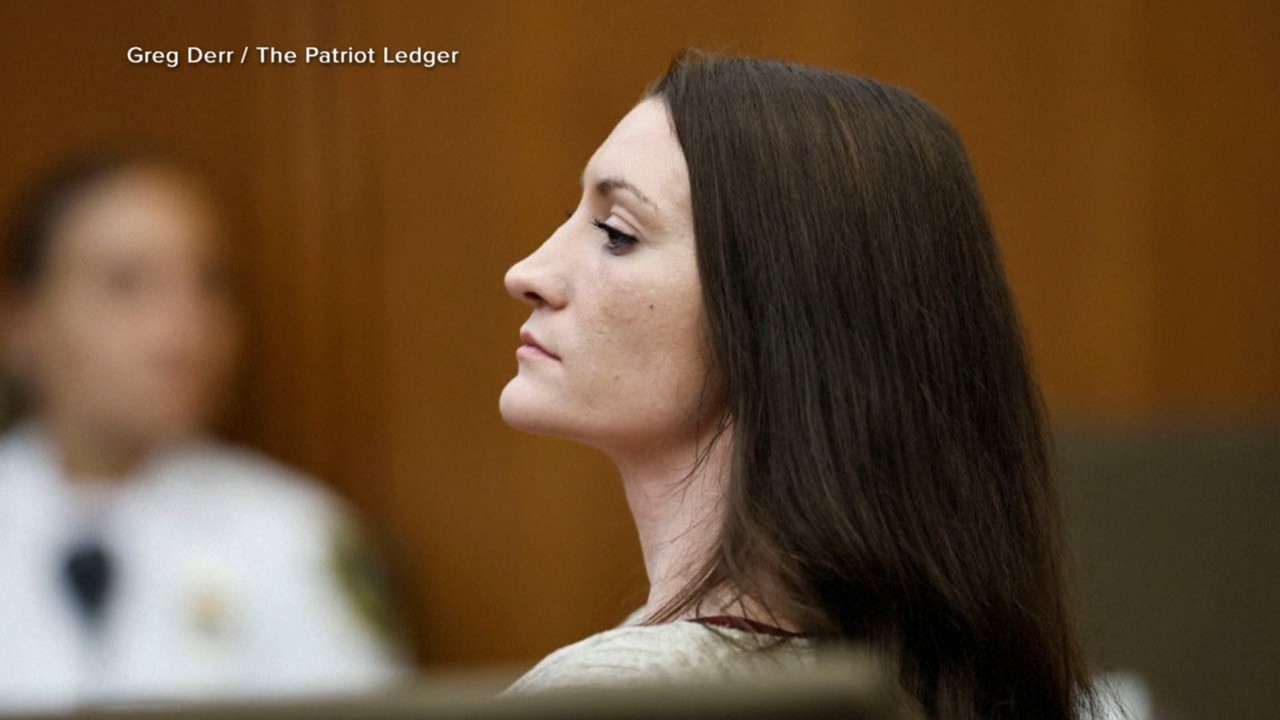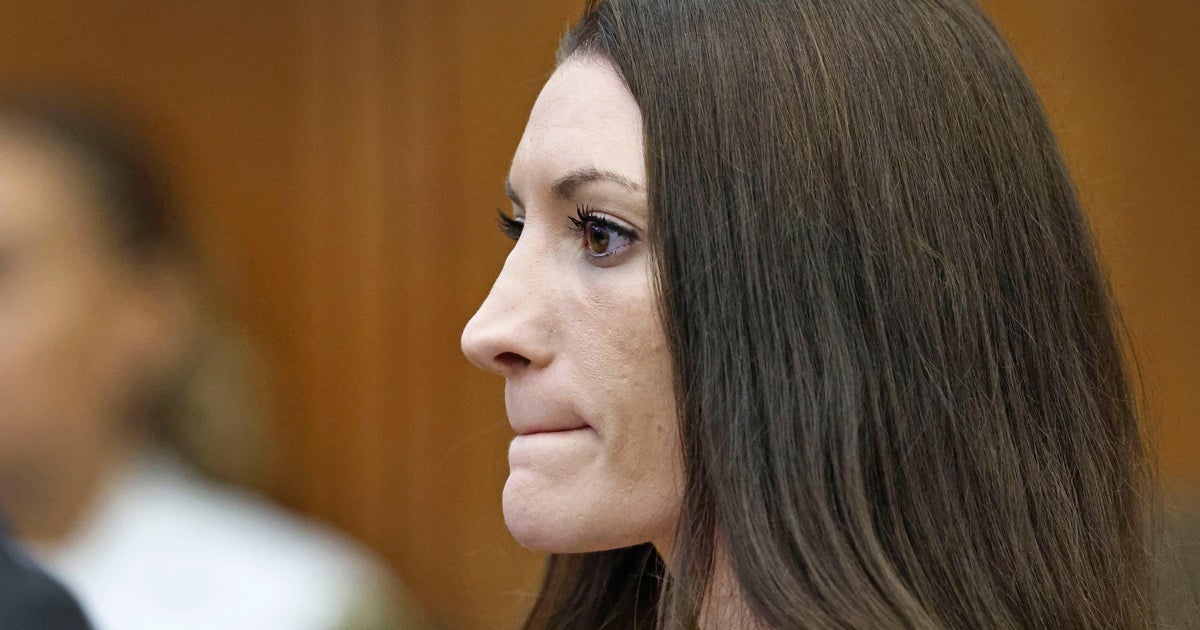
- Lindsay Clancy's murder case is now in the hands of a Massachusetts jury after 22 days of testimony in Plymouth Superior Court.
- In journal entries read during the trial, Lindsay Clancy wrote about struggling with her youngest child's sleep schedule, feeling "like I'm drowning every day," and described "horrible insomnia and anxiety which is causing depression," as well as "crazy brain fog" and "no appetite." She also wrote, "I don't know what's wrong with me. I want help. I want to be well."
- Dr. Jennifer Tufts, who was treating Lindsay Clancy at the time of the killings, testified that Lindsay Clancy was "completely denying any suicidal ideation or homicidal ideation" the day before the murders, and that "there were no signs of psychosis or mania." Tufts did not recommend hospitalization.
Lindsay Clancy's murder trial has captivated Massachusetts as the jury deliberates after 22 days of emotional testimony. Clancy, 36, is accused of murdering her three children—Cora, 5, Dawson, 3, and Callan, 8 months—in their Duxbury home.1
Clancy admits to the killings but claims she was not in a sound state of mind, citing severe mental health issues. Her defense argues she was overmedicated and unable to understand her actions, while prosecutors contend she planned the murders and staged a suicide attempt.
Testimony revealed the harrowing moments after the incident, with Patrick Clancy, Lindsay's husband, discovering the scene. He described the house as “really quiet” and found his children’s bodies, leading to a frantic call for help.
In a poignant journal entry, Clancy expressed her struggles, stating, “I felt like I'm drowning every day.” She also described experiencing “horrible insomnia and anxiety which is causing depression.”
Dr. Jennifer Tufts, who treated Clancy, testified that she showed no signs of suicidal or homicidal ideation the day before the murders, stating, “There were no signs of psychosis or mania.”
The jury now faces the difficult task of determining Clancy's mental state at the time of the tragic events.
“Dr. Jennifer Tufts, who treated Clancy, testified she showed 'no signs of psychosis or mania' and did not recommend hospitalization. Clancy's journal entries also described 'horrible insomnia and anxiety which is causing depression' and 'crazy brain fog.'”


 CBS News