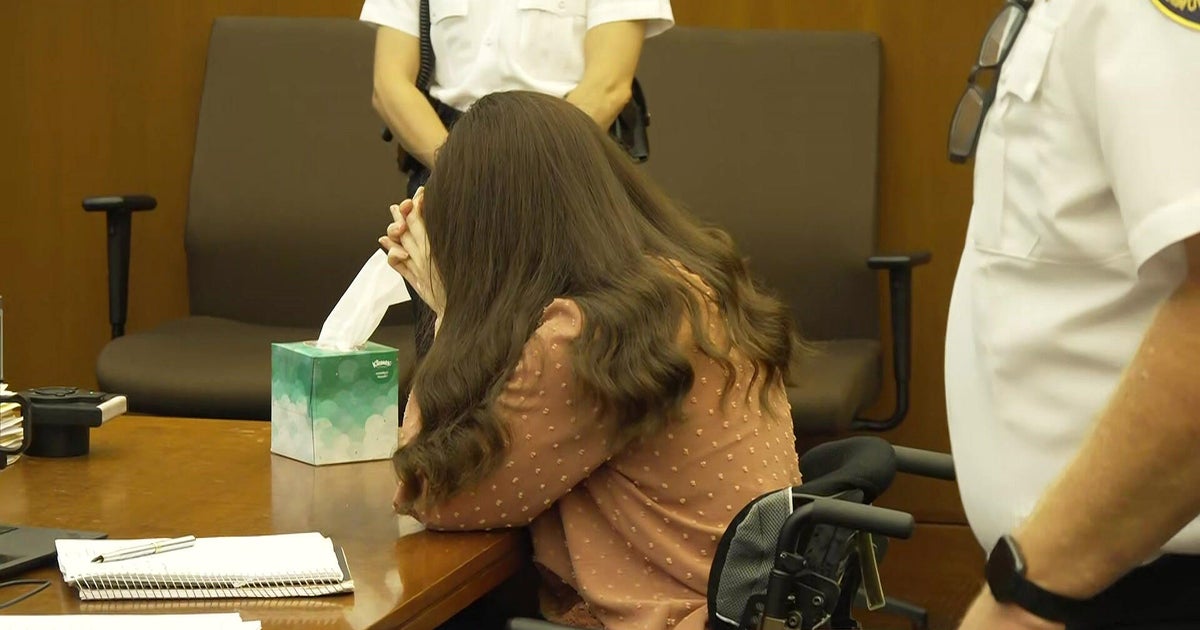
- Clancy pleaded not guilty to murder charges in the deaths of her three children, Cora, 5, Dawson, 3, and 8-month-old Callan. Defense attorneys argue that she was too mentally ill to bear criminal responsibility for her actions, while prosecutors claim she acted intentionally.
- Clancy sobbed as jurors viewed autopsy photos of her youngest child during the trial.
- During the second week of trial, prosecutors brought friends, a former colleague, and her former father-in-law to testify about Clancy’s mental and emotional state, stating she was mostly open about her postpregnancy mental health struggles.
- Clancy remains paralyzed from the waist down after jumping from the home’s second-story window on the night of the incident.
- None of the witnesses testified they heard Clancy express suicidal or homicidal thoughts, but she mentioned having trouble sleeping and noted harmful side effects from medications after the birth of her third child.
- Christopher Clancy, her former father-in-law, acknowledged knowing she was having issues and suggested the grandchildren stay with him and his wife, but his son declined.
- Lindsay Clancy’s attorneys have stated that she had a condition exhibited by a small fraction of women after childbirth and that she had bipolar disorder that wasn’t fully diagnosed until after the killings.
- If convicted of murder, Clancy faces life in prison without parole, while a not guilty verdict due to lack of criminal responsibility would lead to her commitment to a state mental health facility.
Lindsay Clancy sobbed as jurors viewed autopsy photos of her youngest child during her murder trial, where she is charged with killing her three children in January 2023. Witnesses testified about her struggles with postpartum mental health, stating she was open about her issues but appeared to be a loving mother.
Clancy's defense argues she was too mentally ill to be held criminally responsible for the deaths of Cora, 5, Dawson, 3, and Callan, 8 months. Prosecutors contend she acted intentionally, despite her mental health struggles. Clancy remains paralyzed from the waist down after jumping from her home’s second-story window that night.7
Witnesses noted that while Clancy expressed feelings of insomnia and “brain fog,” none reported hearing her express suicidal or homicidal thoughts. A former colleague recalled Clancy stating she was “not in a mental state to take care of patients.” Another friend testified that Clancy mentioned experiencing “bad or negative side effects” from her medications, which she felt contributed to “dark thoughts.”
Christopher Clancy, her former father-in-law, acknowledged her struggles, stating, “I knew she was having a hard time sleeping.” If convicted, Clancy faces life in prison without parole; if found not guilty due to lack of criminal responsibility, she could be committed to a mental health facility.1011
“Prosecutors' witnesses said Clancy was mostly open about her postpregnancy mental health struggles but seemed a loving mother. She remains paralyzed from the waist down after jumping from a second-story window the night of the killings.”
 The Spec