- The jury has reported a deadlock during deliberations in the Lindsay Clancy trial, raising concerns about a potential mistrial.
- Judge William Sullivan explained to the courtroom that jurors were at an impasse, indicating a growing chance of a hung jury and the trial ending without a resolution.
- Sullivan urged jurors to reconsider their positions and to seriously consider opposing views, emphasizing that no one knows if another jury would be more competent.
- If the jury cannot agree on a verdict, the judge could declare a mistrial, leading prosecutors to decide whether to retry Clancy, drop the charges, or negotiate a plea deal.
- If the jury finds Clancy criminally responsible for her actions, she could be convicted of either murder or manslaughter.
- In the event of an acquittal, a judge could still confine her to a mental health facility if deemed a danger to the public.
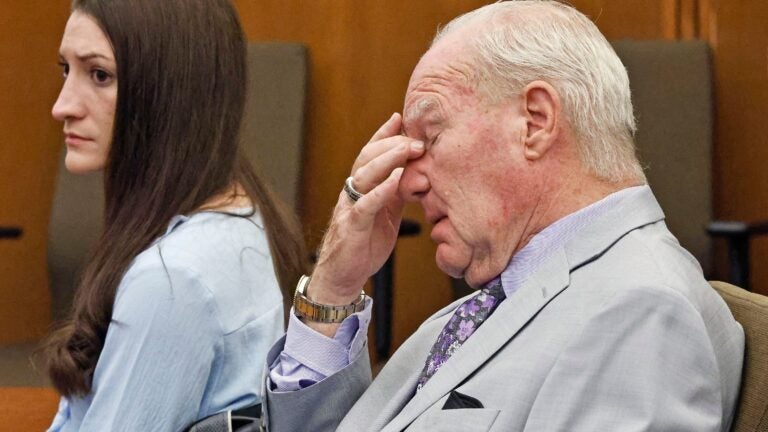
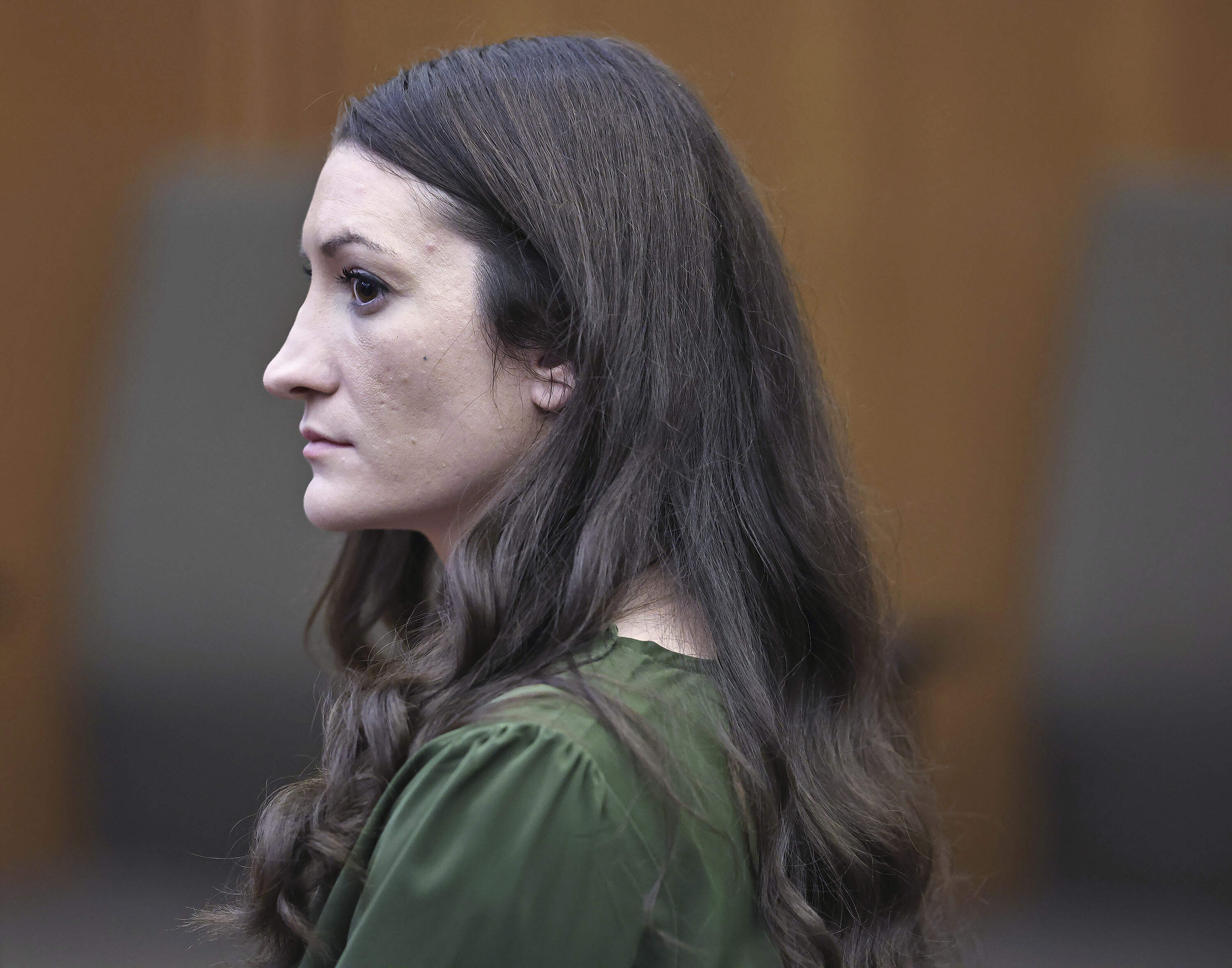
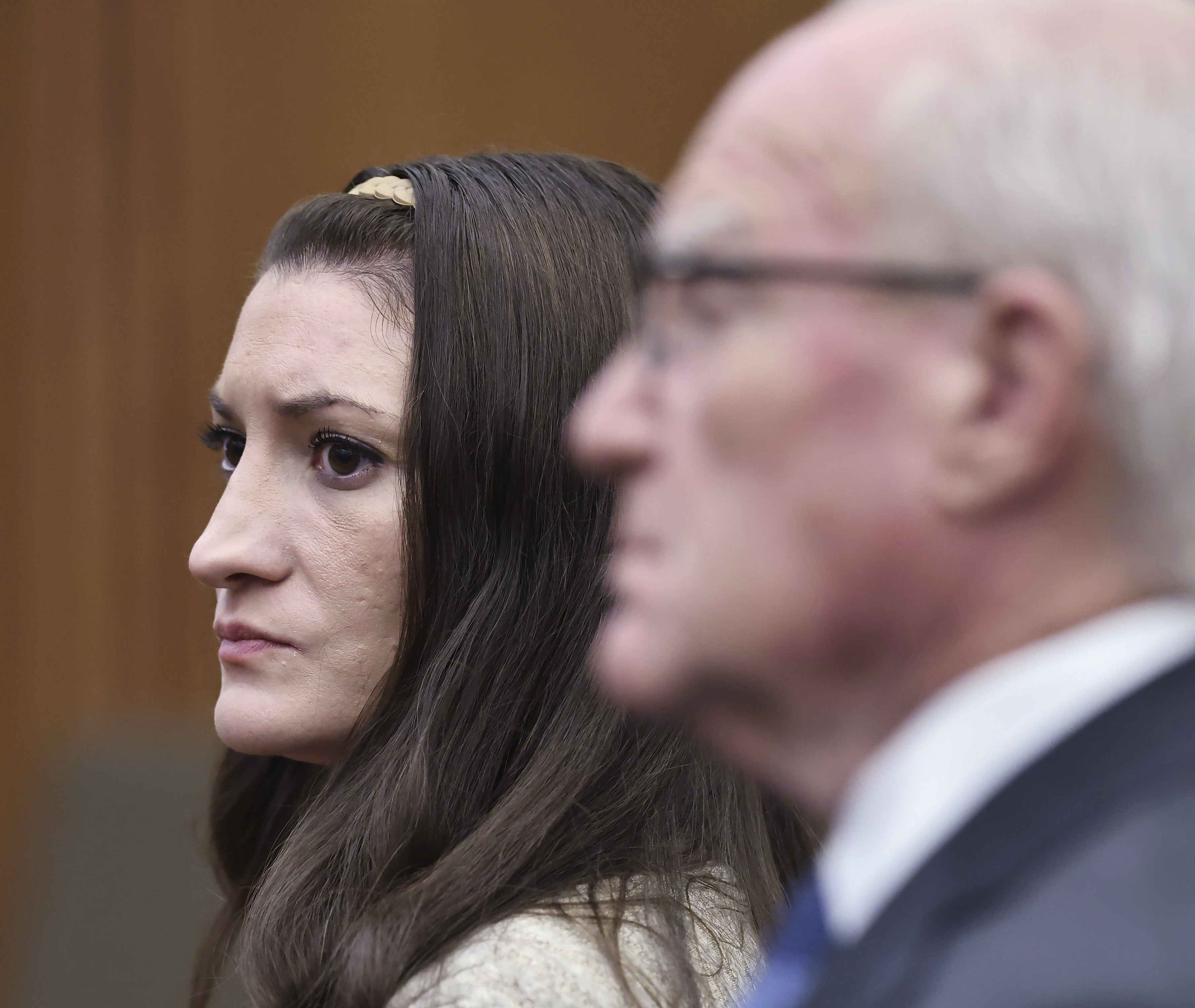
A jury in the Lindsay Clancy trial is deadlocked over whether she is criminally responsible for the deaths of her three children, leading Judge William Sullivan to encourage jurors to reconsider their positions to avoid a mistrial.234567
Clancy, a 36-year-old former labor and delivery nurse, admitted to strangling her children in 2023, but her defense claims she suffered from postpartum psychosis. Prosecutors argue she was aware of her actions when she killed Cora, Dawson, and Callan, aged 5, 3, and 8 months.
The trial has drawn significant public interest, with a packed courtroom and widespread debate over maternal mental health issues. Judge Sullivan noted the jurors' impasse, indicating a potential hung jury, and advised them not to abandon their convictions just to reach a verdict.
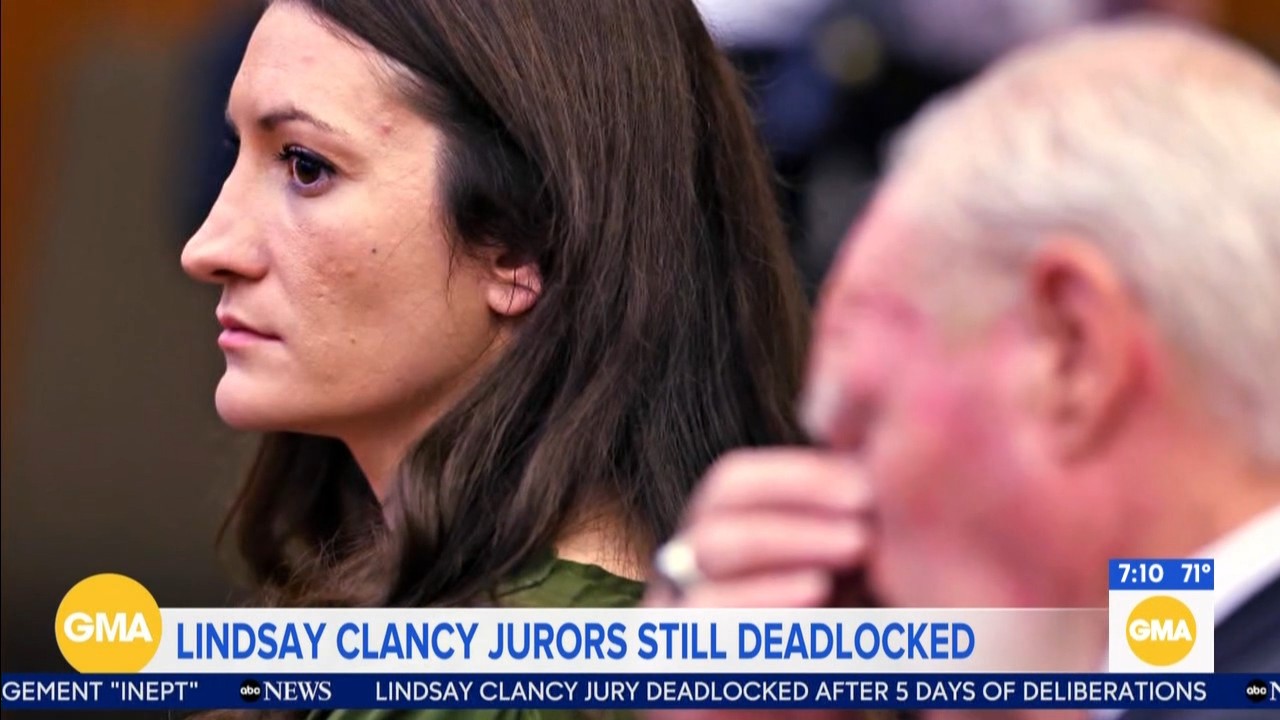
He stated, “No one knows that another jury would be more intelligent, more impartial or more competent to decide it than you are.” If the jury cannot reach a decision, a mistrial may be declared, leaving prosecutors to decide whether to retry Clancy, drop the charges, or negotiate a plea deal.
If convicted, Clancy could face murder or manslaughter charges, while an acquittal could still lead to confinement in a mental health facility if deemed a danger to the public.8
“Judge William Sullivan told jurors not to abandon their convictions but to seriously consider opposing views, warning that no one knows if another jury would be more competent. If the jury can't agree, a mistrial could lead prosecutors to retry Clancy, drop charges, or negotiate a plea deal.”


 ABC7 Chicago