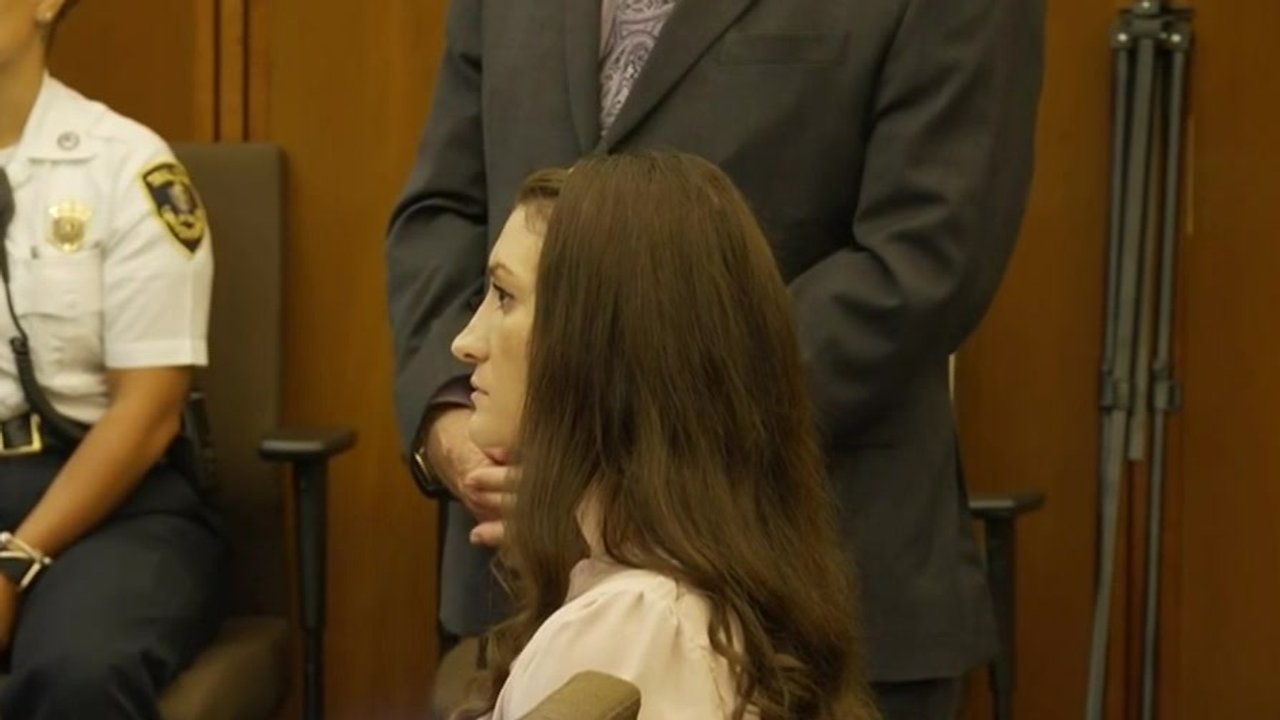
- Lindsay Clancy addressed the judge in her murder trial, admitting to certain facts in the case against her.
- Clancy's defense stated that the admission of certain facts eliminates the need for prosecutors to call numerous expert witnesses to testify about the evidence.
- The judge informed Clancy that by entering into this stipulation, she is giving up the right to force the Commonwealth to prove the facts contained in these stipulations.
- Clancy is accused of murdering her three young children in their Duxbury home back in 2023.
- The trial has entered its second week with testimony from police investigators, medical experts, and psychiatrists.
- Clancy's journal entries reveal her personal struggles leading up to the 2023 slayings, including feelings of being overwhelmed and guilt.
- In her journal, Clancy expressed feelings of guilt and anxiety, stating, “I don’t know what’s wrong with me. I want help, I want to be well.”
- Clancy's defense claims she was suffering from postpartum psychosis at the time of the killings.
- Clancy has admitted to strangling her children but has pleaded not guilty to three counts of first-degree murder, claiming lack of criminal responsibility.
Lindsay Clancy's murder trial continues as she admits to certain facts regarding the case, which involves the tragic deaths of her three children in January 2023.1
Clancy, who has pleaded not guilty by reason of insanity, claims she was suffering from postpartum psychosis at the time of the incident.789
During the trial, her attorney stated that the stipulation of facts would prevent the need for numerous expert witnesses, streamlining the proceedings.
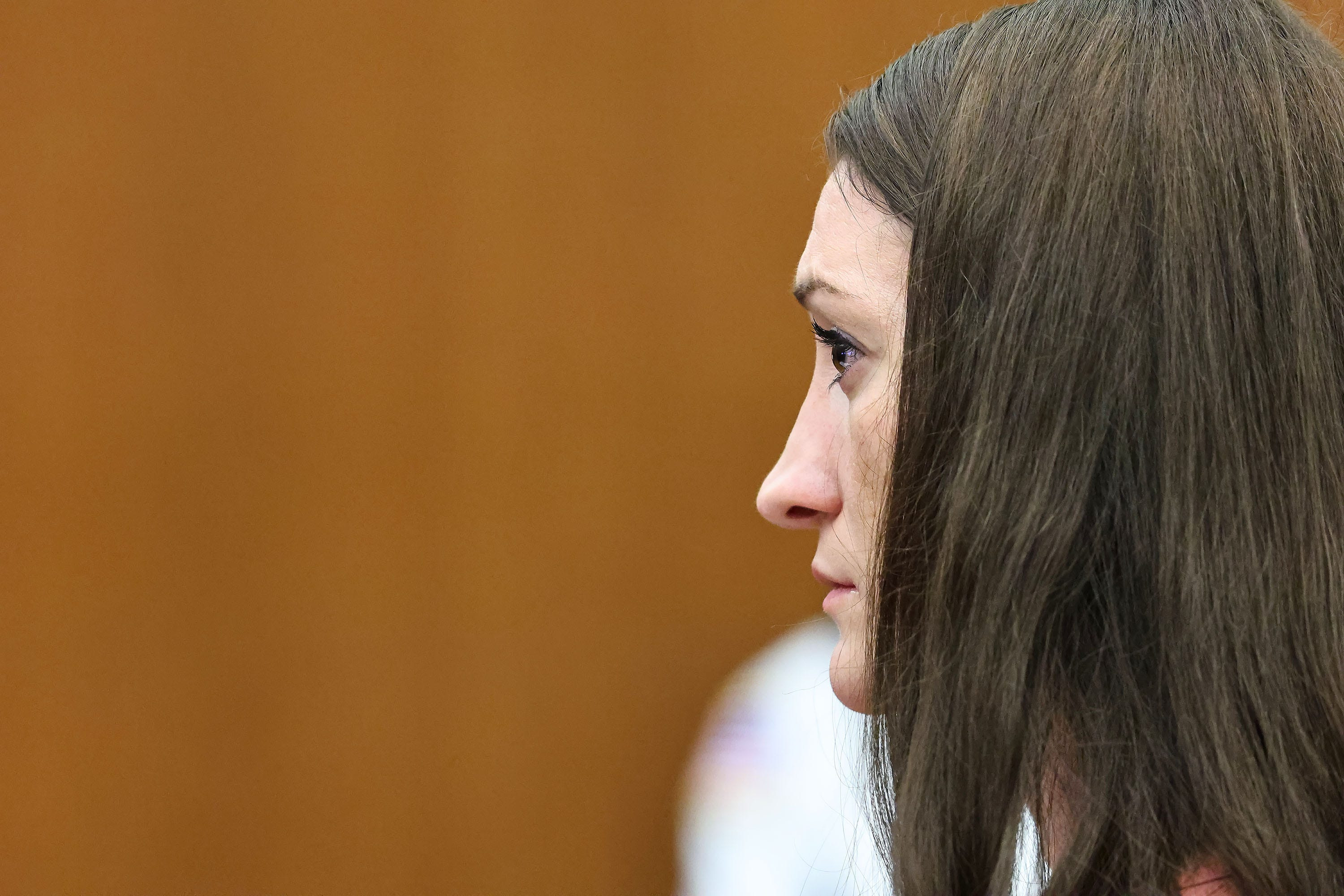
Prosecutors allege that Clancy strangled her children—Cora, 5, Dawson, 3, and Callan, 8 months—before attempting to take her own life.
In her journal entries, Clancy expressed feelings of being overwhelmed and guilt-ridden, stating, “I don’t know what’s wrong with me. I want help. I want to be well.”
These entries reveal her mental health struggles, including insomnia, anxiety, and feelings of inadequacy as a mother.
Clancy's defense argues that her actions stemmed from severe mental illness, with her attorney emphasizing, “This relieves the government from bringing in dozens of witnesses to prove chain of custody of blood, fluids, demands, DNA.”
If convicted, Clancy faces life in prison without parole, while a not guilty verdict due to lack of criminal responsibility would lead to her commitment to a mental health facility.
The trial is expected to feature more expert testimonies as it progresses, shedding light on the complexities of Clancy's mental state leading up to the tragic events.
“The stipulation lets prosecutors avoid dozens of witnesses on evidence chain of custody because the defense isn’t contesting what Clancy did, only why she did it. Prosecutors say she strangled Cora, 5, Dawson, 3, and Callan, 8 months, with exercise bands; conviction would mean life in prison without parole.”

 WHDH
WHDH NBC Boston
 The Boston Globe



