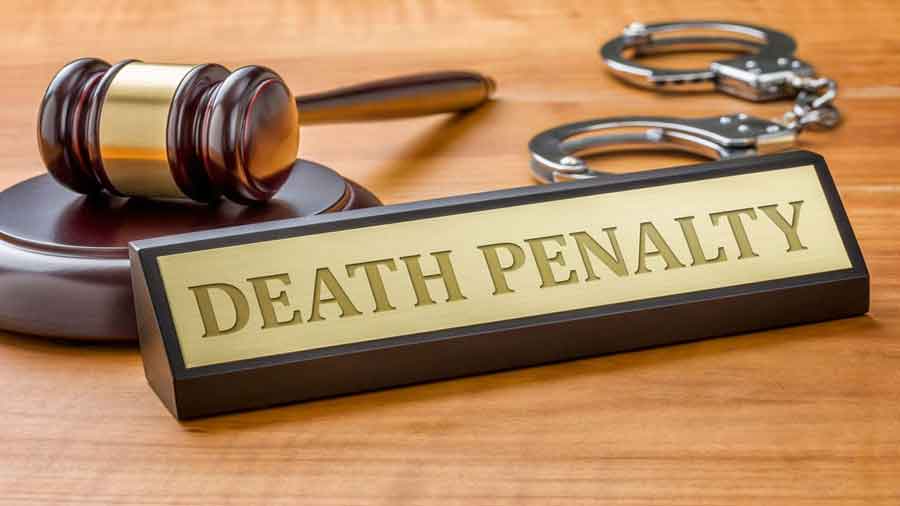
- Lebanon's parliament voted on Tuesday to abolish the death penalty, making it the first country in the Arab world to replace the sentencing with life imprisonment with aggravated hard labour.
- Justice Minister Adel Nassar described the vote as a 'historic step' for the country.
- Lebanon has observed an unofficial moratorium on executions since January 2004.
- At the end of 2025, 85 people were facing death sentences, according to the Lebanese Ministry of Justice's Directorate of Prisons.
- Three parliamentary committees approved the draft legislation in July, paving the way for Tuesday's vote.
- Hezbollah's bloc was the only group that did not support the vote.
- Lebanon has not carried out an execution since 2004, despite courts issuing dozens of death sentences that were later suspended or commuted.
- Rights groups have celebrated the vote, viewing it as a significant step towards human rights in the country.
- Capital punishment has been part of Lebanese criminal law since the Penal Code was introduced in 1943.
- Debate over the death penalty has repeatedly surfaced in Lebanon over the past three decades.
Lebanon's parliament voted to abolish the death penalty, marking a historic shift in the Arab world. Justice Minister Adel Nassar described the move as a "historic step" for the country, emphasizing that it does not lessen penalties for serious crimes. The new law replaces capital punishment with life imprisonment with aggravated hard labour.129

Since 2004, Lebanon has maintained an unofficial moratorium on executions, yet courts have issued numerous death sentences, with 85 individuals currently facing such sentences, according to the Lebanese Ministry of Justice. Ramzi Kaiss from Human Rights Watch stated that Lebanon is "marking a final break from a cruel sentence that should never be imposed".
The legislation was passed with a majority vote in the 128-member parliament, excluding Hezbollah's parliamentary bloc. Heba Morayef from Amnesty International praised the decision as a "major milestone and a victory for human rights", transforming a long-standing moratorium into legal protection for the right to life.

Despite the positive reception, questions remain about the enforcement of aggravated hard labour, as Lebanon's resources are strained, impacting prison conditions. The abolition coincides with discussions on a controversial general amnesty law, which could further alter the landscape of criminal justice in Lebanon. Michel Moussa, chairman of the Human Rights Committee, called the vote a "major achievement" in modernizing Lebanese legislation.
“The vote follows an unofficial moratorium on executions since 2004, with 85 people on death row at the end of 2025. Justice Minister Adel Nassar called it a 'historic step,' while Hezbollah's bloc abstained, and rights groups like Amnesty International praised the move as a 'major milestone.'”
 Arab News



