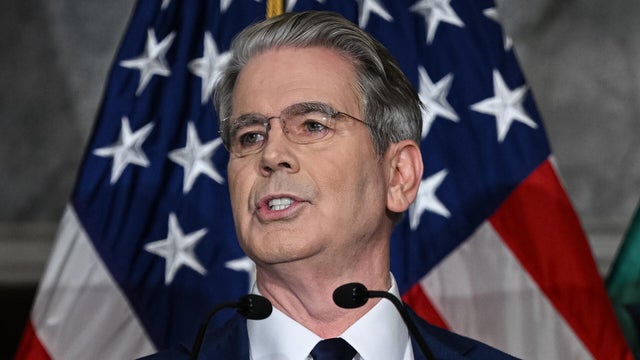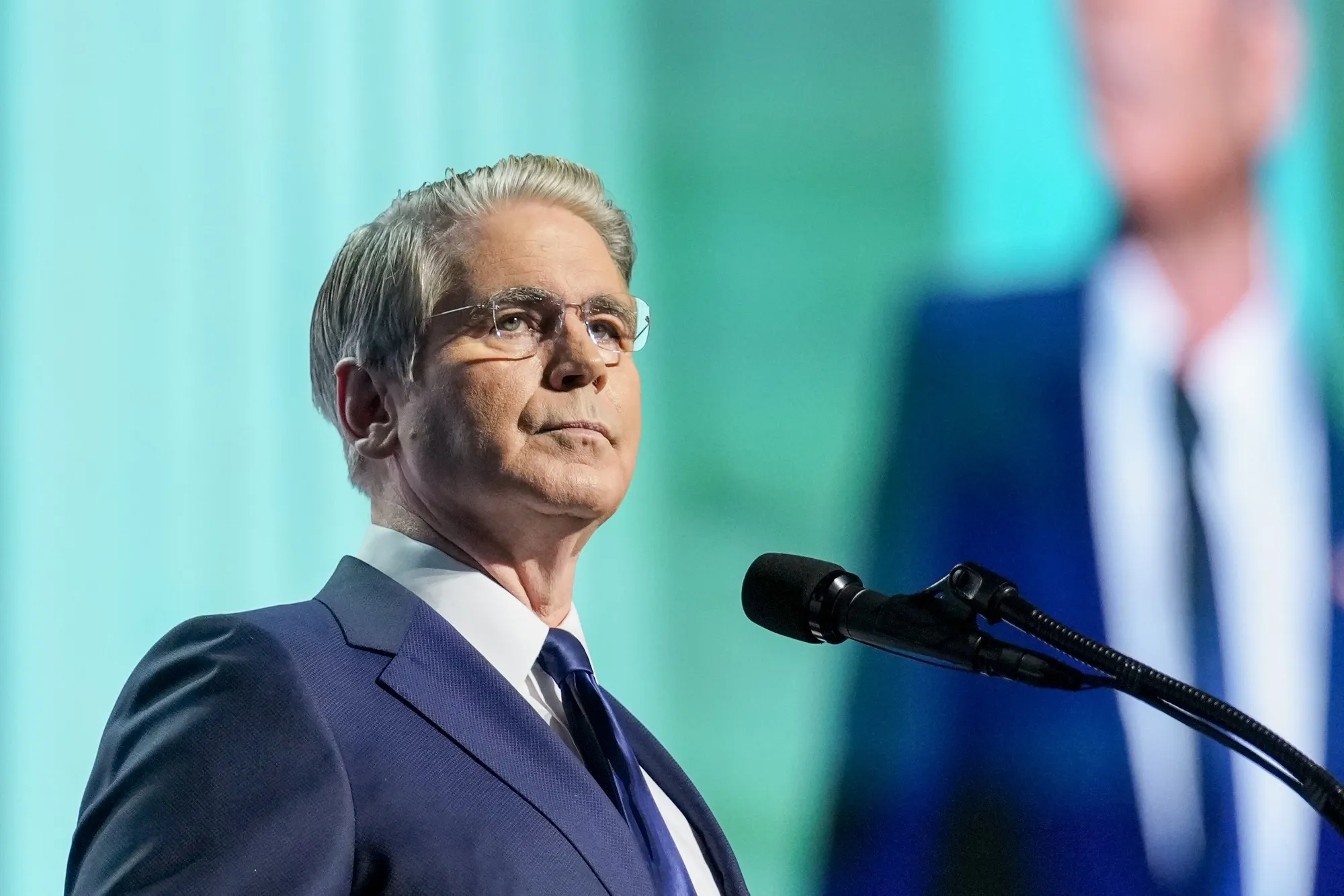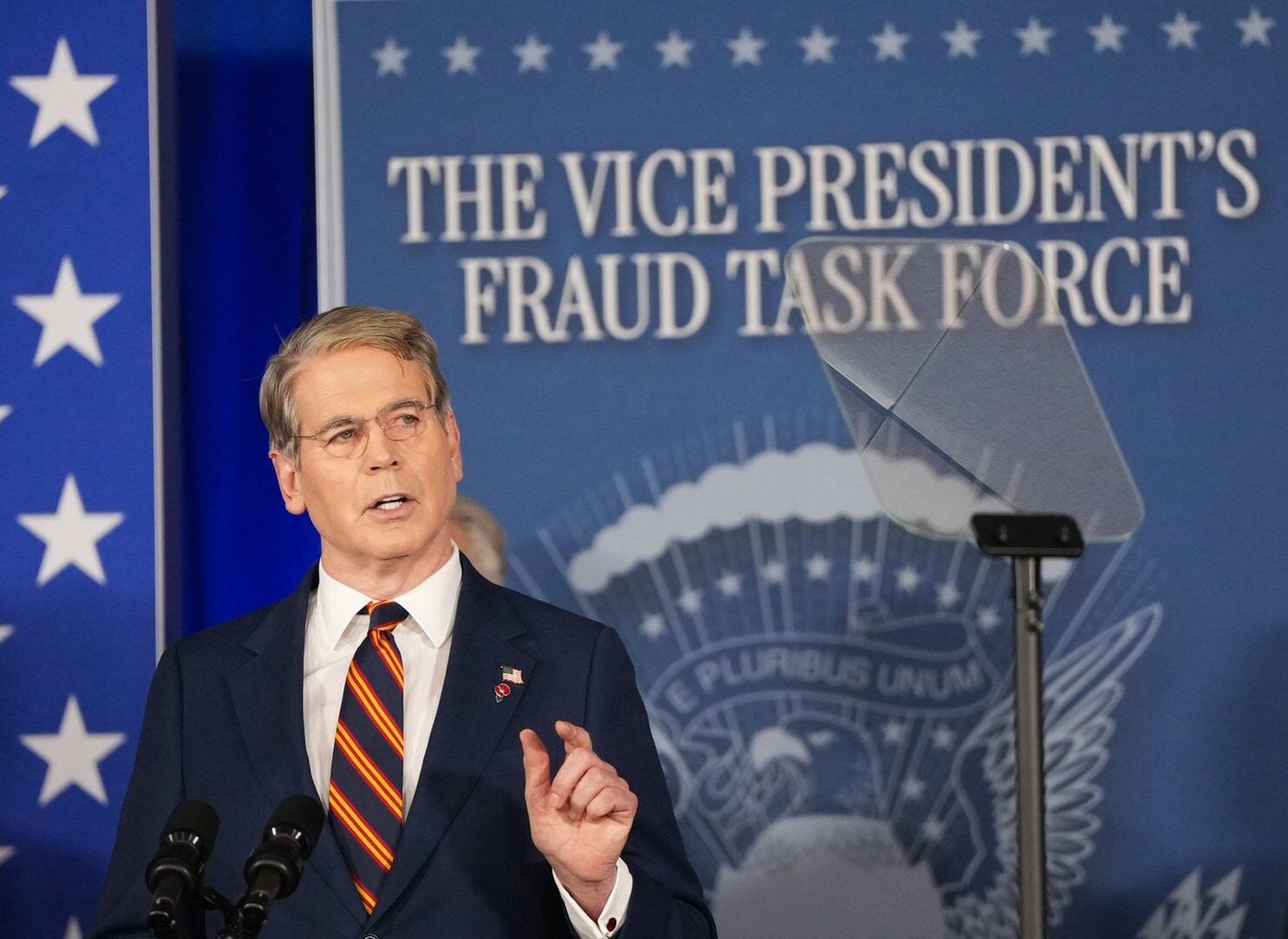
- Treasury Secretary Scott Bessent publicly accused the Commerce Department of delaying the labeling of Nvidia customer Megaspeed as a possible national security threat, airing an ongoing administration blame game following the ouster of Nvidia CEO Jensen Huang.
- In a tense Situation Room meeting last week, Bessent challenged Lutnick over his department's reluctance to blacklist Megaspeed, but Lutnick did not commit to specific action and declined to discuss the meeting.
- Bessent expressed frustration that China should not receive any Nvidia chips above A100s, and that any leakage hurts U.S. companies in the AI race and gives China an advantage.
- The New York Times reported Thursday that Lutnick resisted placing greater limits on the sale of Nvidia’s more advanced chips to China.
- The White House has so far stood by Lutnick, issuing a statement saying Trump ‘maintains complete confidence in the secretary and his ability to carry out the position as the most transformative Commerce Secretary in modern history.’
- Some of President Donald Trump’s advisers, reeling from Huang’s resignation, have begun discussing whether Commerce Secretary Howard Lutnick should be dismissed, and Trump has fielded calls raising alarm about Lutnick.
- Chinese firms have accessed Nvidia’s chips through companies like Megaspeed.
- Trump officials have long harbored concerns that Megaspeed circumvented U.S. law and funneled advanced chips into China, and Treasury staffers argued it should be placed on Commerce’s entity list of China-connected companies posing national security risks.
- Senior Trump officials, including Lutnick, were briefed months ago about Huang’s relationship with Alice Huang, the Megaspeed executive, but Commerce has so far refused to put Megaspeed on the entity list.
Treasury Secretary Scott Bessent publicly criticized Commerce Secretary Howard Lutnick for delays in implementing export controls on Nvidia chips to China, stating, "I am frustrated when President Trump made it very clear China should not receive any Nvidia chips above H100s." Bessent emphasized that the Commerce Department has failed to act despite support from multiple government departments, including the State Department and the Pentagon.156910121314
Bessent's remarks reflect a growing frustration within the Trump administration regarding Lutnick's handling of national security risks associated with companies like Megaspeed, which has reportedly circumvented U.S. laws to funnel advanced chips into China. "Any leakage is very frustrating because it hurts our great companies in the AI race, gives the Chinese an advantage," Bessent added.11
Despite the mounting pressure, the White House has publicly backed Lutnick, asserting that Trump maintains "complete confidence" in his leadership. However, discussions among Trump advisers about Lutnick's potential ouster are ongoing, indicating a rift within the administration over how to handle sensitive export controls.8
In a recent Situation Room meeting, Bessent challenged Lutnick on his department's reluctance to blacklist Megaspeed, which has been linked to national security threats. "We don’t repeat conversations in the Situation Room," Lutnick stated, as he faced scrutiny over his decisions.234
“Bessent said Trump made clear China should not receive Nvidia chips above A100s, and any leakage hurts U.S. companies in the AI race. The New York Times reported Lutnick resisted greater limits, and Commerce has refused to put Megaspeed on the entity list despite warnings.”