Sources: 

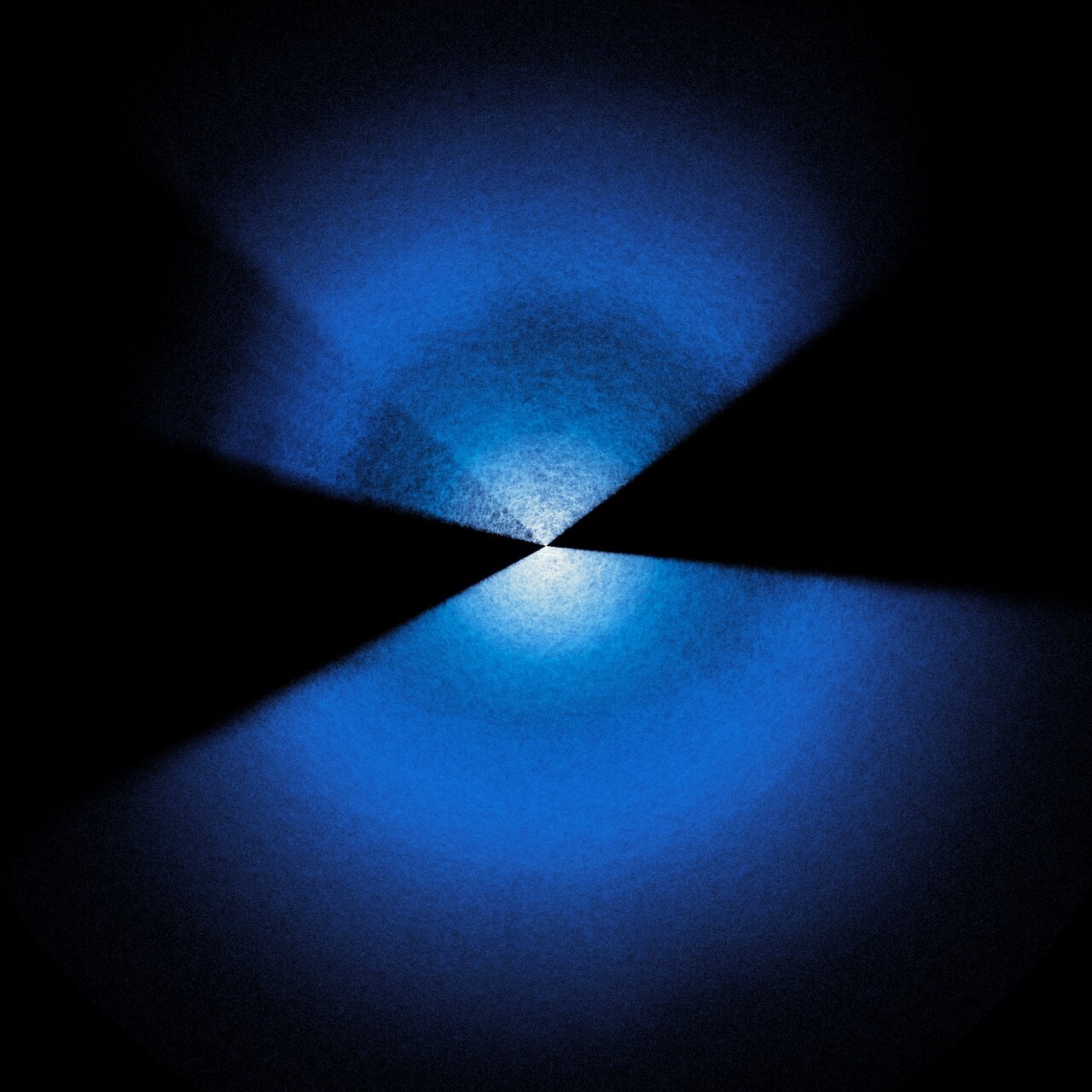
A massive five-year survey has produced the largest high-resolution 3D map of the cosmos, revealing that dark energy, which constitutes about
70 percent of the universe, may be evolving rather than constant. Researchers are using the Dark Energy Spectroscopic Instrument (DESI) to analyze over
47 million galaxies to understand this phenomenon.
The DESI, situated on a telescope in the Sonoran Desert, maps galaxies and their locations, helping scientists trace dark energy's influence over
11 billion years of cosmic history. The survey aims to chart not only dark energy but also the distribution of visible matter and dark matter within galaxies.
According to
study leader Satya A Gontcho, mapping galaxies helps illustrate the underlying substructure of the universe.
While dark energy pushes galaxies apart and accelerates cosmic expansion, the idea that its rate of expansion might be evolving could signify a fundamental shift in our comprehension of the universe's ultimate fate.
The groundbreaking findings from this extensive survey point to a potential revolution in understanding the universe: if evidence supports that the rate of expansion is indeed evolving, it could redefine the nature of dark energy.
With the DESI set to continue its work through
2028, scientists are optimistic about uncovering more insights into dark energy's role in the universe's destiny.
Sources: A five-year survey has produced the largest 3D map of the universe, revealing that dark energy may not be a constant force but could be evolving. This unexpected finding may significantly impact our understanding of the universe's ultimate fate, according to researchers using the Dark Energy Spectroscopic Instrument (DESI).