- Through mid-July, the war that began Feb. 28 had cost at least $37.5 billion in direct military expenditures, according to Defense Secretary Pete Hegseth, with 18 service members dead and 624 wounded.
- President Donald Trump publicly portrayed the U.S. war as successful, saying "We're doing very well against the Islamic Republic of Iran" and predicting "We'll finish off Iran pretty soon."
- A July missile attack on a U.S. base in Jordan indicated Iran still had launching capabilities.
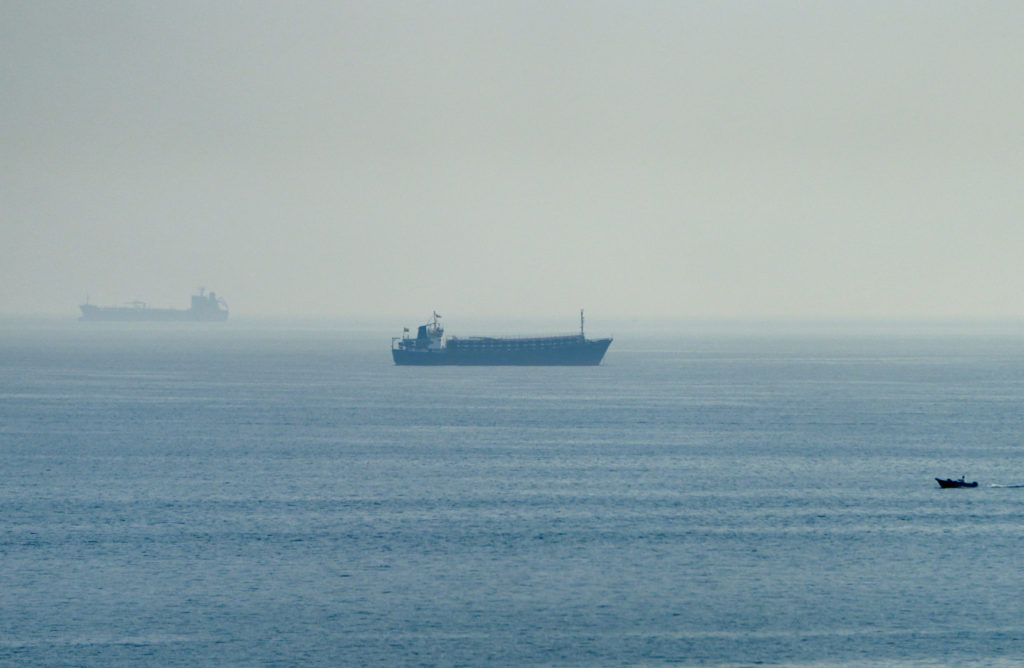
- A major economic concern was Iran's ability to control Strait of Hormuz traffic; U.S. gasoline prices were about $1.15 higher than before the war, and Mark Zandi estimated first-four-month costs at $100 billion.
- A May 2026 analysis by the Center for Strategic and International Studies projected that heavily-used munitions such as Tomahawk and Patriot and THAAD interceptors would take three to four years to replenish.
- Foreign policy experts were skeptical of Trump's bullishness: Aaron David Miller said the administration would get an 'incomplete' and called an immediate end "a major strategic defeat," while Barbara Slavin said Iranians "have consistently out-strategized Trump."
- Key U.S. goals remained unmet: Richard Nephew said the war may be solidifying "the real bad guys in that system," and Daryl G. Kimball said the war "did not fundamentally alter" Iran's nuclear program.
- The war strained U.S. relations with Israel, according to Barbara Slavin, while Daniel Markey said China was well positioned to weather the war's economic effects and Aaron David Miller warned every missile launch reduced U.S. arsenal available if China pressured Taiwan.
President Trump asserted the U.S. is 'doing very well' against Iran, with military costs exceeding $37.5 billion and 18 service members lost since the war's start on February 28.1
Defense Secretary Pete Hegseth confirmed the financial toll, stating, "The war has cost at least $37.5 billion in direct military expenditures through mid-July."
Despite Trump's optimism, experts caution that a premature end could represent a 'major strategic defeat' for the administration.
Aaron David Miller from the Carnegie Endowment noted, "If the war were to end today, it would be a major strategic defeat by the administration's own metrics."89121314
Analysts highlight that Iran has effectively countered U.S. strategies, with Barbara Slavin from the Stimson Center stating, "The Iranians so far have consistently out-strategized Trump."
The conflict has also impacted global oil markets, with prices rising by $1.15 per gallon since the war began.
Mark Zandi, chief economist at Moody's Analytics, estimated the total cost of the war, including consumer impacts, to be around $100 billion in the first four months alone.456
The war has not significantly altered Iran's nuclear capabilities, according to Daryl G. Kimball, executive director of the Arms Control Association, who stated, "Airstrikes alone cannot eliminate Tehran's residual capability to build a bomb."1011
As the conflict continues, U.S. relations with Israel are reportedly becoming strained, further complicating the geopolitical landscape.
“The war has cost $37.5 billion and left 18 service members dead and 624 wounded through mid-July, while gasoline prices run about $1.15 higher than pre-war levels. Experts say Iran's nuclear program remains intact and Tehran retains missile-launching capabilities after the July attack on a U.S. base in Jordan.”




