- Jared Kushner held an hourslong meeting Monday with Israeli Prime Minister Benjamin Netanyahu, days after the premier rejected the move to advance the ceasefire deal in Gaza.
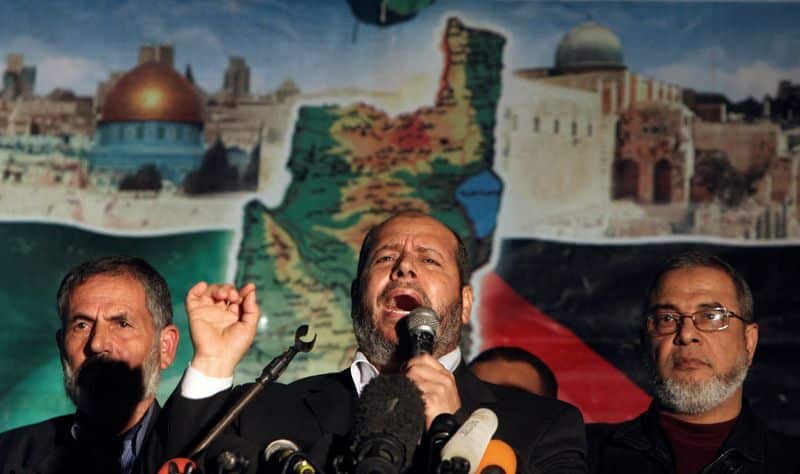
- The meeting came a day after Kushner met with Hamas chief Khalil al-Hayya in Cairo on disarmament, according to regional and Hamas officials.
- Netanyahu's office said they agreed to establish two working groups, one on disarmament and demilitarization of Gaza and another on public health issues.
- Several regional powers including Saudi Arabia and the United Arab Emirates condemned Israel's rejection of the road map, saying Israel now bears responsibility for obstructing the efforts to bring peace in Gaza.
- The Hamas official said the Hamas leader demanded that Israel halt attacks on Gaza and withdraw to the dividing line before beginning implementation.
- Hamas says it has agreed to the road map, which includes disarmament, and urges mediators and the U.S.-created board to compel Israel to sign on. Israel says Hamas must fully disarm before any withdrawal.
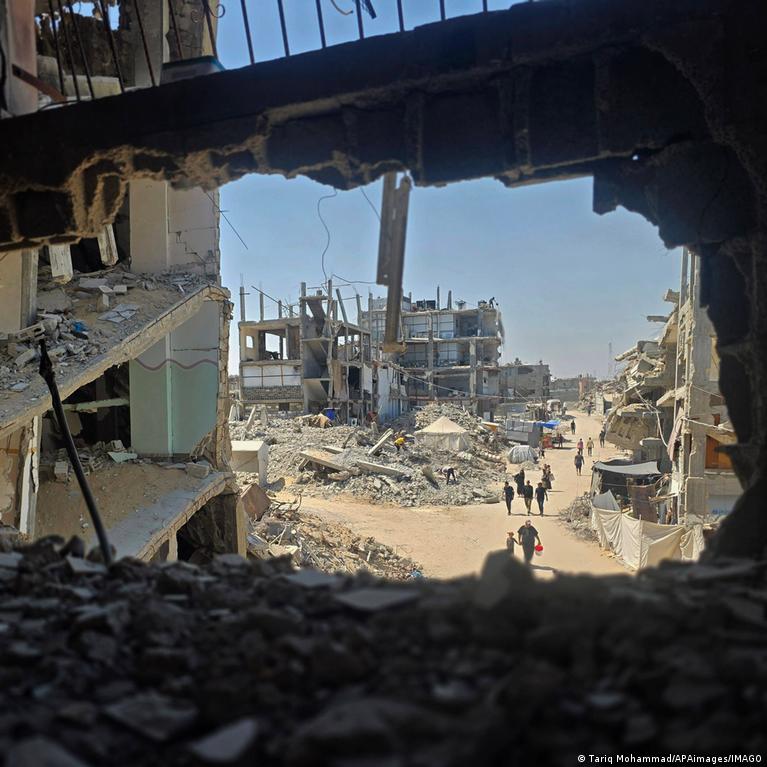
- Israeli troops occupy about 60% of the strip, and Netanyahu has previously threatened to control more. In May, he said the next step was to move to 70% control, with Israel tightening the grip on Hamas.
- Israel and the board agreed that demilitarization should be prompt and completed before any reconstruction.
Jared Kushner held a lengthy meeting with Israeli Prime Minister Benjamin Netanyahu on Monday, following his discussions with Hamas leader Khalil al-Hayya about disarmament. The Israeli government insists that Hamas must fully disarm before any withdrawal from Gaza can occur.1
During the meeting, Netanyahu and Kushner, along with former British Prime Minister Tony Blair and Board of Peace Director Nickolay Mladenov, agreed to establish two working groups: one focused on disarmament and demilitarization of Gaza, and another on public health issues in the region. Netanyahu's office stated that the demilitarization should be prompt and completed before any reconstruction efforts begin.3412
Despite Hamas's agreement to a proposed road map that includes disarmament, the group is urging mediators to compel Israel to sign on. However, Israel occupies about 60% of Gaza and has threatened to increase its control to 70%, tightening its grip on Hamas from every direction. Regional powers, including Saudi Arabia and the United Arab Emirates, condemned Israel's rejection of the road map, stating that Israel now bears responsibility for obstructing peace efforts in Gaza.56
As tensions continue, the international community watches closely to see if a resolution can be reached that satisfies both sides.
“Hamas chief Khalil al-Hayya demanded Israel halt attacks and withdraw to the dividing line before implementation, while Israel says Hamas must fully disarm first. Netanyahu's office agreed to establish working groups on disarmament and public health, with demilitarization to be completed before any reconstruction.”
 apnews.com