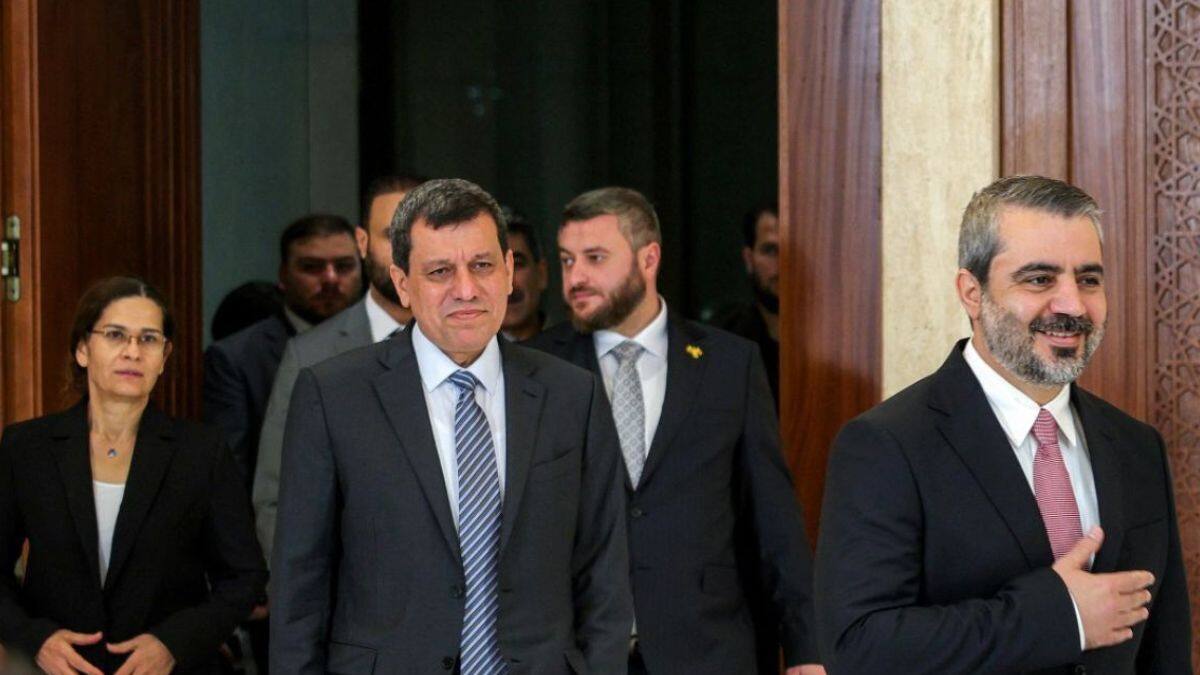
- The Kurdish-led SDF announced its dissolution after merging with Syria's military, marking a significant shift in the region's governance.
- US envoy Tom Barrack hailed the merger as 'real integration', stating: "One army, one government, one state."
- The Kurdish-led group once controlled a de facto autonomous zone in Syria’s northeast but lost most of its territory to a government offensive in January.
- Following the January clashes, an agreement was reached to incorporate Kurdish military and civilian institutions into the Syrian state.
- During the violence, President Ahmed al-Sharaa issued a decree recognizing Kurdish national rights and Kurdish as a national language, marking an unprecedented step since Syria's independence in 1946.
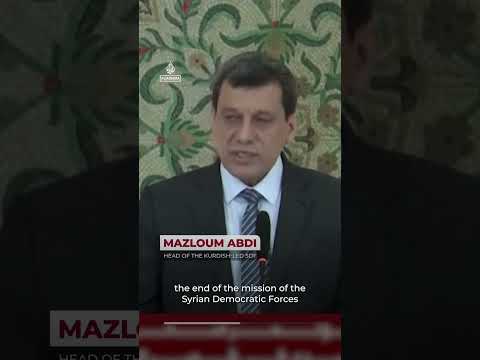
- Abdi stated that the SDF had 'carried a heavy responsibility' during one of the most difficult periods in Syria’s history, but announced the end of its mission as an independent military force.
- Al Jazeera’s Heidi Pett described the SDF’s dissolution as a 'hugely significant moment for Syria', noting that the integration process took over seven months due to unresolved questions about the group’s heavy weapons.
- Pett reported that the YPJ argued for integration into the Ministry of Defence as professional soldiers, but Damascus only offered them the option of joining the Ministry of Interior as police officers.
- Washington’s envoy Tom Barrack credited US President Donald Trump for his 'far-sighted leadership' that facilitated the SDF’s orderly integration into the Syrian state.
The Syrian Democratic Forces (SDF), a Kurdish-led group pivotal in the fight against Islamic State, has officially dissolved following a merger with the Syrian military. This decision, announced by SDF leader Mazloum Abdi in a televised address, signifies the end of the SDF as an independent military entity.
Abdi stated, "We announce today the end of the mission of the Syrian Democratic Forces and declare, with full responsibility, their dissolution as an independent military force," emphasizing that the integration was a response to changing circumstances in Syria.
The SDF, which peaked at around 100,000 fighters and controlled significant territories in northern Syria, had been a crucial ally of the US in combating IS. However, following recent clashes with government forces, the group lost substantial territory, prompting the merger agreement.
US envoy Tom Barrack hailed the merger as a historic moment, stating, "This is what real integration looks like: not winners and losers, but former counterparts with differing points of view crafting a diplomatic solution to strengthen the sovereign nation of Syria. One army, one government, one state." The agreement also includes recognition of Kurdish cultural rights and aims to transition from conflict to reconstruction.

The SDF's dissolution marks a significant shift in Syria's political landscape, as it moves towards a unified state under the Syrian government, with Abdi expressing hope for a new era of peace and stability.
Al Jazeera’s Heidi Pett noted that the integration process took over seven months due to unresolved issues regarding the SDF's heavy weapons and the future of the YPJ, the women fighters.
Barrack also credited US President Donald Trump for facilitating this transition, highlighting the importance of diplomatic efforts in achieving this outcome.
“The dissolution follows January clashes where Kurdish forces lost territory, and President Ahmed al-Sharaa's decree recognizing Kurdish as a national language. The integration process took over seven months, with unresolved questions about heavy weapons and the YPJ's role, as Damascus offered them police positions rather than military roles.”

 Firstpost