- Ksi Lisims LNG has signed a deal with German utility Uniper to supply two million tonnes of LNG annually for up to 20 years, starting in 2032.
- The agreement, announced in a joint news release, marks the first major long-term LNG supply agreement between Canada and Germany.
- The deal was finalized in Düsseldorf, Germany, highlighting the growing energy partnership between the two nations.
- Uniper will purchase two million tonnes per annum of LNG, approximately 30 TWh per year, on a free-on-board basis.
- The Ksi Lisims LNG project is expected to produce up to 12 million tonnes of LNG annually from two floating production and storage facilities.
- The project is anticipated to contribute more than $15 billion to Canada’s GDP over 30 years.
Ksi Lisims LNG has entered a significant agreement with Uniper, a German utility, to supply two million tonnes of LNG annually for 20 years, starting in 2032. This deal, announced in Düsseldorf, is hailed as Canada’s first binding long-term LNG supply agreement with a European utility.123467
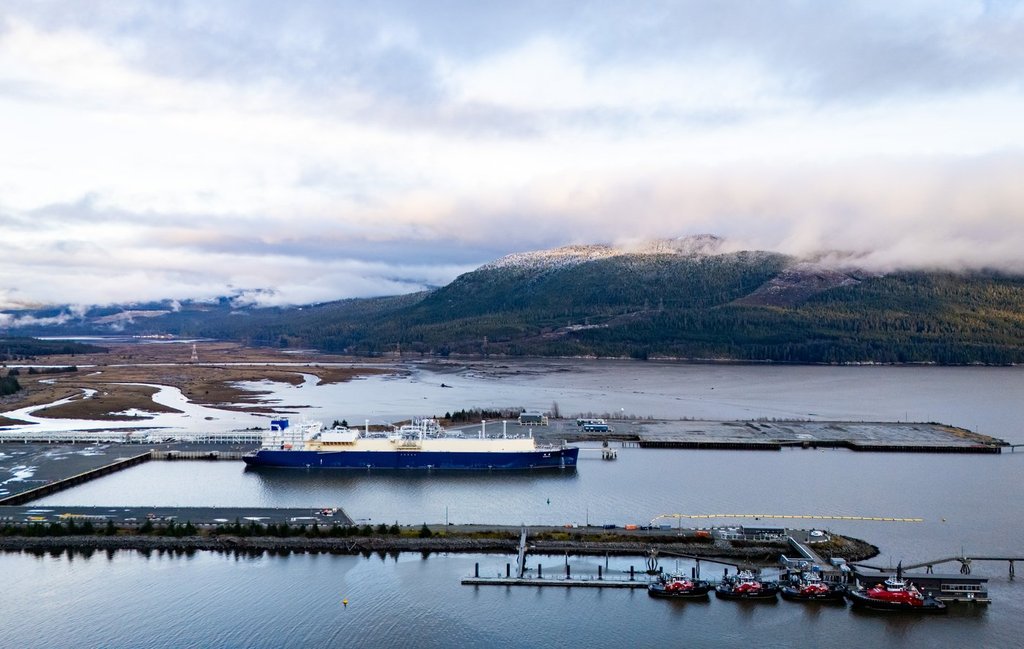
The Ksi Lisims LNG project, located on the northern British Columbia coast, is expected to produce up to 12 million tonnes of LNG annually from two floating production and storage facilities. The project is a collaboration between Houston-based Western LNG, Rockies LNG, and the Nisga’a Nation, with an estimated cost of $10 billion.
Uniper's agreement is designed to enhance energy security across Europe, with the gas likely serving customers in Germany, Sweden, the U.K., and the Netherlands. The flexibility of the supply is intended to address potential future energy crises in Europe.
The Canadian federal government has indicated that this project could contribute over $15 billion to Canada’s GDP over 30 years, positioning it as the country’s second-largest LNG facility after LNG Canada in Kitimat. However, the deal has faced criticism regarding its environmental impact, with concerns raised about climate action amidst ongoing wildfires in Canada and Europe.8
“This agreement is about far more than LNG,” said Michael Lewis, CEO of Uniper. “Economic concerns are what voters are paying attention to,” noted Kathryn Harrison, a political science professor at the University of British Columbia.
The agreement represents a pivotal moment in the energy landscape, reflecting both economic ambitions and environmental challenges.
“The Ksi Lisims LNG project, located on Nisga'a land, is expected to produce up to 12 million tonnes of LNG annually, contributing over $15 billion to Canada’s GDP over 30 years. This agreement is seen as crucial for bolstering energy security in Europe amid ongoing supply concerns.”
 bnnbloomberg.ca
 Global News



