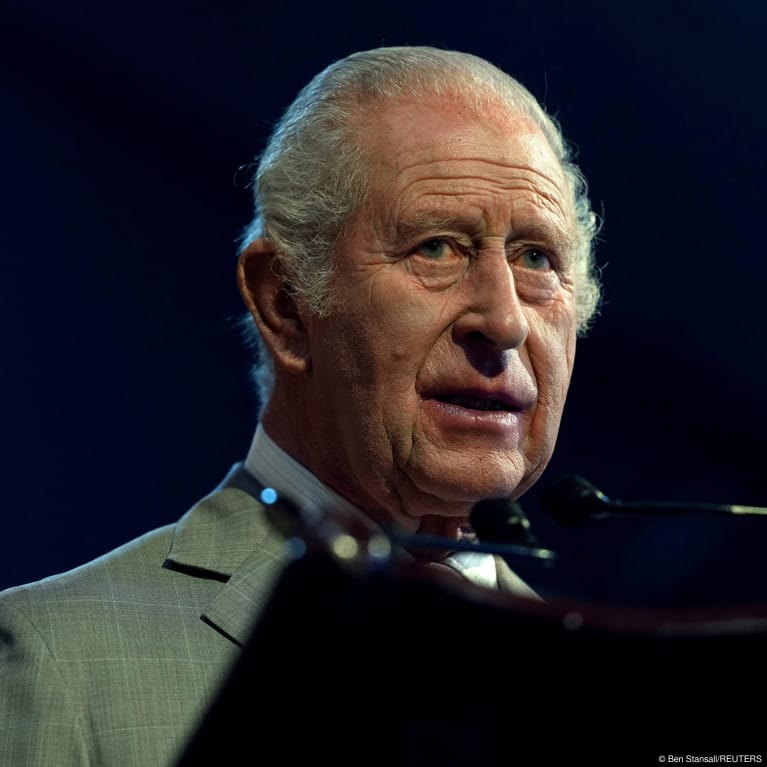
- King Charles III opened the 28th Commonwealth Heads of Government Meeting with earnest words of reflection, though he offered no apologies for the British Empire's role in the transatlantic slave trade.
- The monarch described the 'monstrous injustice' of the past and expressed horror and personal sorrow, but stopped short of apologizing for Britain's role.
- During the meeting, King Charles stated that the transatlantic trade in enslaved persons still casts a shadow over Commonwealth nations and emphasized the need to learn from the past.
- Andy Burnham announced a €48.2 million ($54 million) investment into critical infrastructure in the Caribbean over the next three years and discussed debt resets for smaller Commonwealth nations.
- Verene A. Shepherd, vice-chair of the Caricom Reparations Commission, stated that meaningful reparations cannot be reduced to improved debt conditions and called for debt cancellation and monetary compensation.
- Shepherd emphasized that the descendants of those affected by slavery want accountability and reject the notion that countries profiting from slavery should not be held responsible.


King Charles III addressed the Commonwealth Heads of Government Meeting, reflecting on the 'monstrous injustice' of the transatlantic slave trade, which forcibly transported 12-15 million enslaved Africans. He expressed profound sorrow but stopped short of an apology, stating, 'We cannot change the actions of those who came before us'.2
Caricom officials, including Verene A. Shepherd, vice-chair of the Caricom Reparations Commission, demand that Britain acknowledge its historical debts, asserting that 'meaningful reparations cannot be reduced' to improved debt repayment conditions. They emphasize the need for debt cancellation and monetary compensation for the descendants of enslaved individuals.5
The Commonwealth, comprising former British colonies with a combined GDP of $14.5 trillion, faces scrutiny over its historical grievances. Caribbean analyst Kenneth Mohammed argues that 'sorrow without accountability is a meaningless attempt at appeasing the 'natives'. He questions the equality of the Commonwealth if it cannot secure meaningful engagement from Britain on such critical issues.6
As discussions on reparations heat up, the call for Britain to 'apologise and pay its debt' grows louder, highlighting the ongoing struggle against neocolonialism and historical amnesia in the Caribbean.
“Caricom Reparations Commission vice-chair Verene A. Shepherd rejects the UK's proposed debt relief as insufficient, insisting on debt cancellation and monetary compensation for descendants of slavery. Meanwhile, Britain announced a €48.2 million ($54 million) infrastructure investment in the Caribbean over three years, which critics call a meaningless gesture without formal apology or reparations.”
 DW.comThe Week