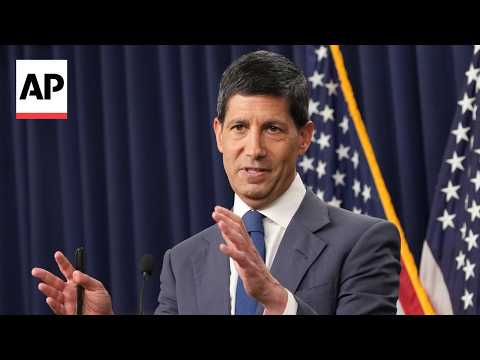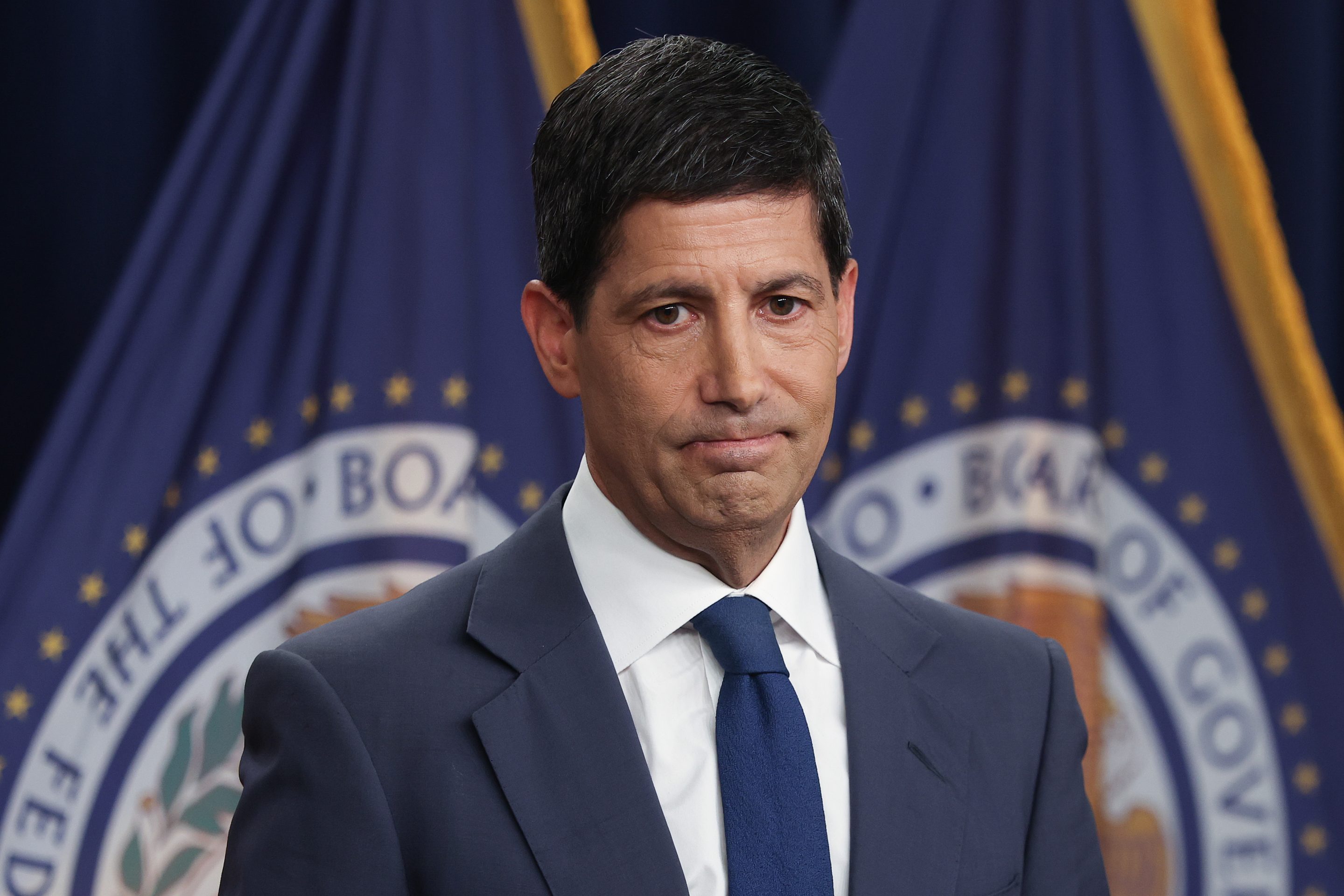
- Federal Reserve Chairman Kevin Warsh stated that the Fed aims for an annual U.S. inflation rate of 2%, while it currently stands at 3.5%.
- The trajectory of monetary policy remains uncertain as Warsh does not provide forward guidance, unlike his predecessor.
- Interest rates are more likely to increase than decrease, indicating a tightening monetary policy.
Federal Reserve Chairman Kevin Warsh is facing a critical moment as inflation persists at 3.5%, well above the 2% target set by the Fed. This inflation rate complicates the Fed's monetary policy decisions, as Warsh has indicated that rates are more likely to go up than down.1
Warsh's approach differs from that of his predecessor, as he is not inclined to provide forward guidance on future rate changes, leaving markets uncertain about the Fed's next moves. The current economic landscape is further complicated by rising borrowing costs, which are influenced by interest rates and other factors.3

The Fed's decision-making is critical, especially as the national debt exceeds 100% of GDP, raising concerns about long-term economic stability. As Warsh leads the Fed through this challenging period, the implications of their decisions will be closely monitored by economists and policymakers alike.
In summary, the Fed's strategy under Warsh will be pivotal in addressing the ongoing inflationary pressures while balancing economic growth and stability.
“Warsh's approach marks a shift from his predecessor, as he is less inclined to provide forward guidance on monetary policy. With interest rates likely to rise, consumers face increased borrowing costs amid ongoing economic pressures from tariffs and national debt exceeding 100% of GDP.”