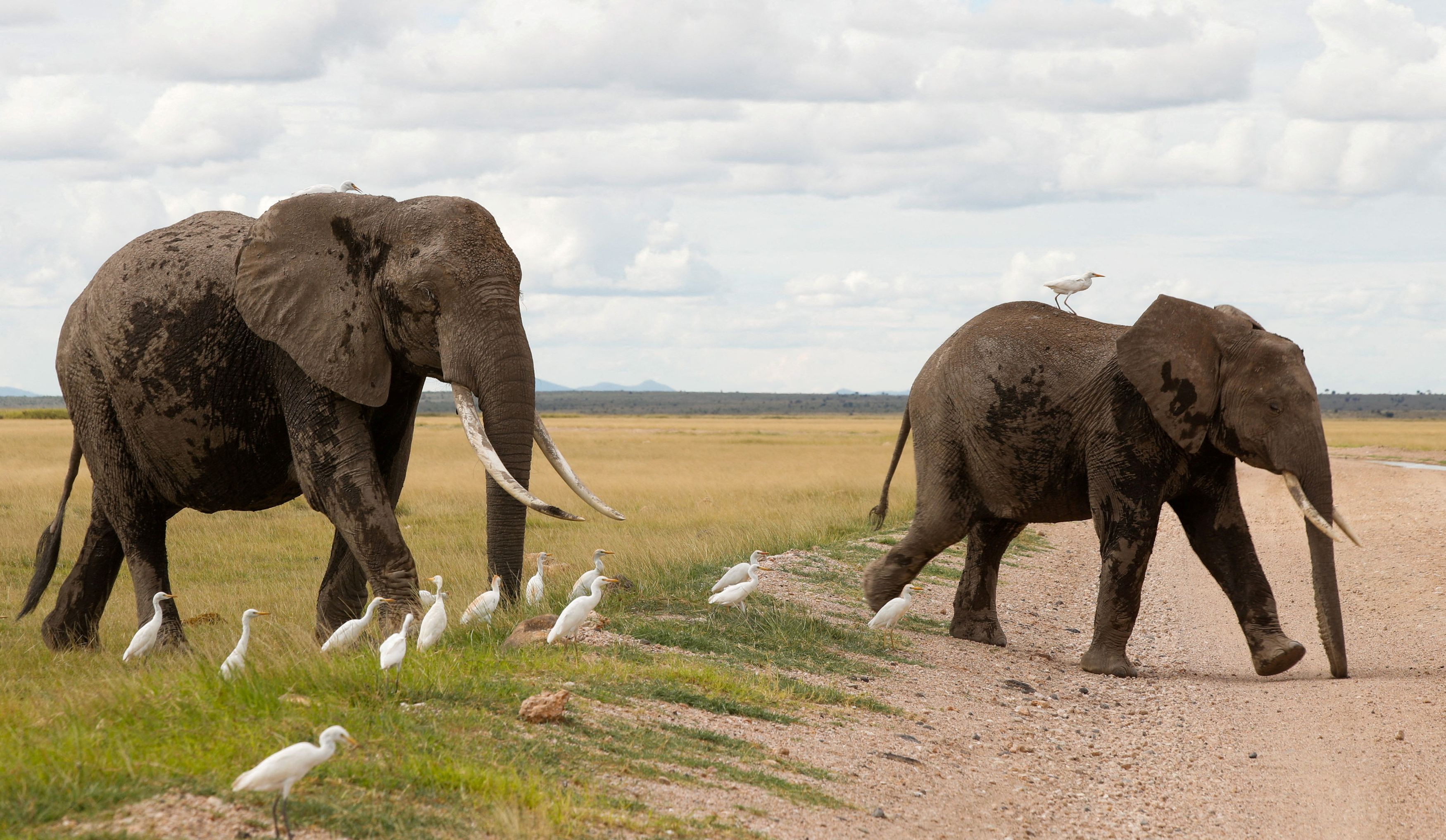
- Fifteen elephants in southern Kenya are suspected to have been poisoned by cyanide-contaminated tomatoes, according to wildlife authorities.
- Kenya Wildlife Service Director General Erustus Kanga said preliminary laboratory tests detected cyanide.
- The Kenya Wildlife Service warned that the contamination could have wider consequences because livestock also graze in the area.
Kenyan wildlife authorities are investigating the deaths of 15 elephants in Amboseli, suspected to be caused by cyanide-contaminated tomatoes. The Kenya Wildlife Service reported that preliminary laboratory tests confirmed the presence of cyanide, a highly toxic chemical, particularly for elephants, according to Director General Erustus Kanga.1234
Kanga stated, "Cyanide is a highly toxic chemical, particularly for elephants," highlighting the severity of the situation. The contamination poses a broader risk, as local livestock, including goats and cattle, also graze in the affected areas. The Kenya Wildlife Service warned, "Other than the elephants and the wildlife that may be feeding in those fields, we have the local livestock." This incident raises concerns about the ecological impact and the safety of the local food chain.56
The investigation is ongoing, with authorities working to determine the source of the contamination and prevent further incidents. The deaths of these elephants underscore the urgent need for monitoring and protecting wildlife from environmental hazards.
“Preliminary tests by Kenya Wildlife Service Director General Erustus Kanga confirmed the presence of cyanide, a highly toxic chemical for elephants. The Kenya Wildlife Service also warned that the contamination could affect local livestock, including goats and cattle, grazing in the same area.”
 ABC News - Breaking News, Latest News and Videos