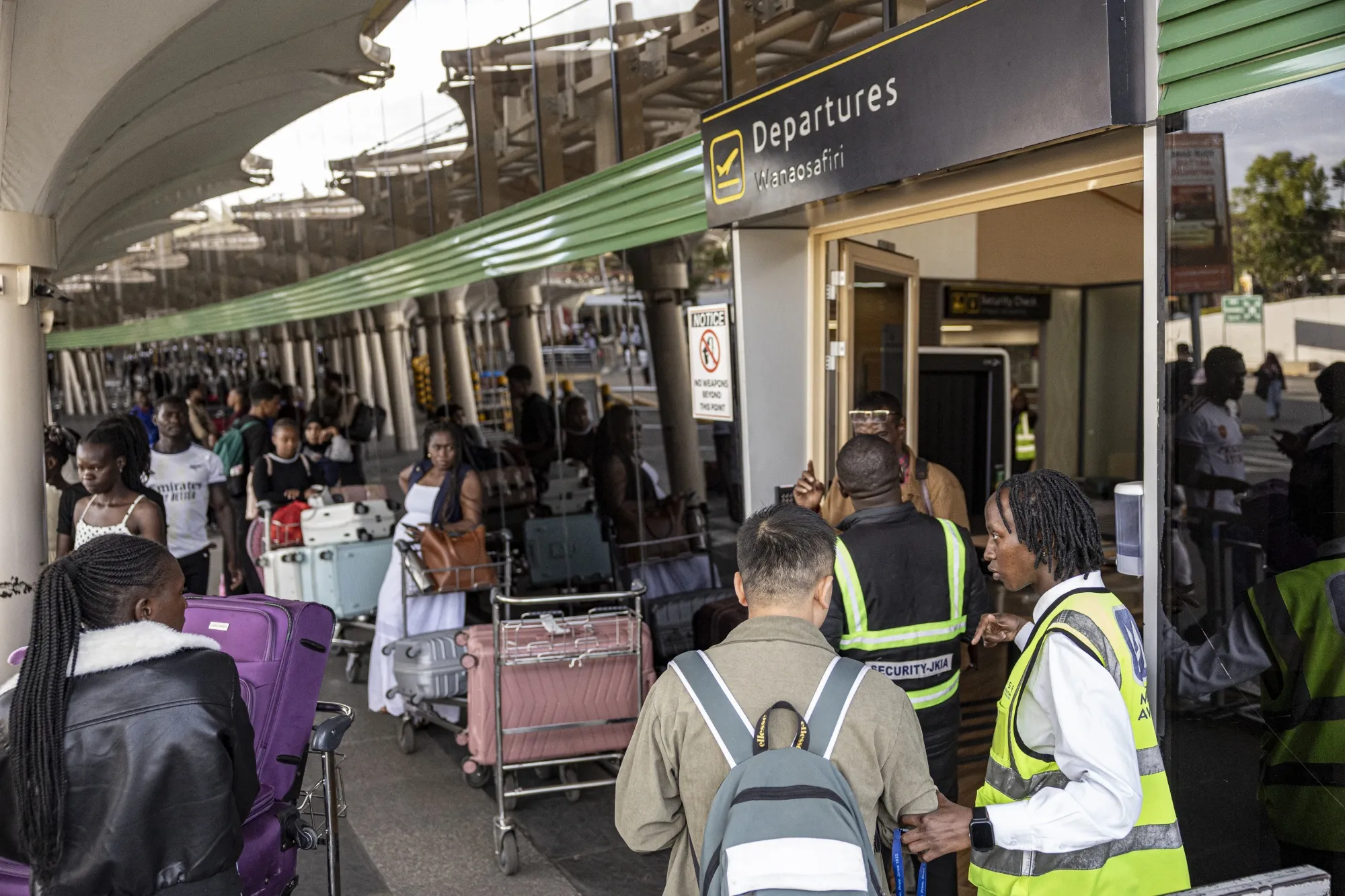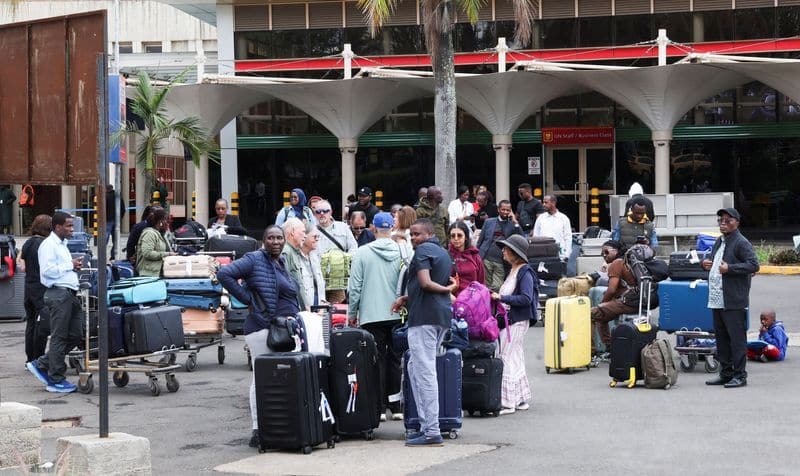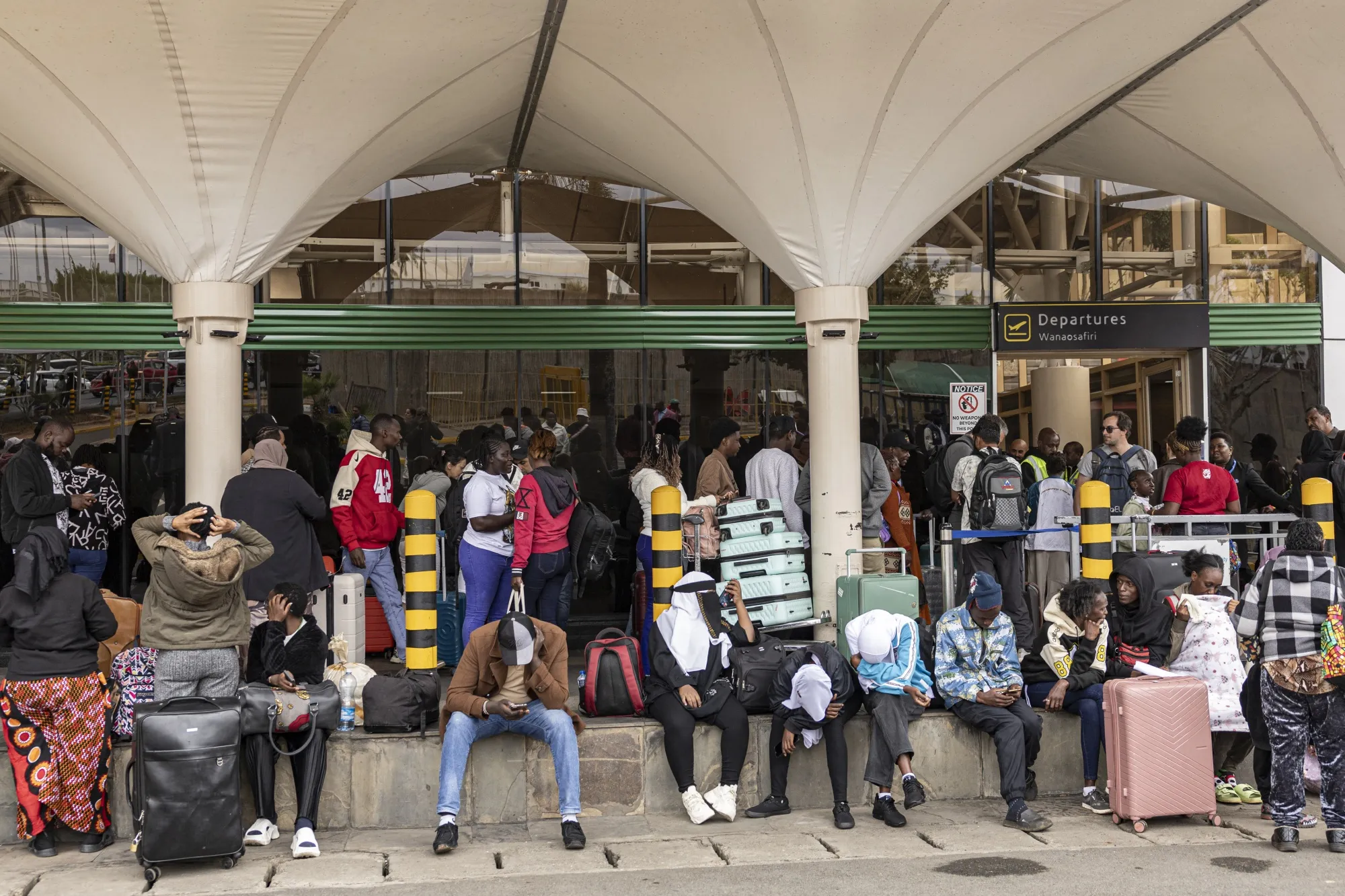
- Kenya aviation workers have called off a strike that disrupted flights for two days at the main airport in the capital, Nairobi, and others around the country.
- The Kenya Aviation Workers Union has agreed to a return-to-work pact, ending a strike that disrupted flights to and from the East African nation.
- The workers' union on Tuesday signed a deal with the government committing to resume work immediately, after talks in which officials agreed to resolve a pay dispute and other grievances that led to the strike.
- Moss Ndiema, the head of the workers' union, told a press conference on Tuesday: "We are simply calling off our strike action and pleading with our members to begin the process of normalising operations, restoring services," and "For those who are on duty, we are asking them to begin clearing flights."
- Transport Minister Davis Chirchir said they had agreed with the union on the way forward to address the grievances that had led to the strike, adding: "It's unfortunate that we had to get here but we are out of it, and it's unfortunate because the loss to the economy, which we don't yet have the numbers, is huge."
Kenya aviation workers have officially ended their strike, which lasted two days and caused significant disruptions at the Jomo Kenyatta International Airport (JKIA) and other airports across the country. The Kenya Aviation Workers Union (KAWU) reached a return-to-work agreement with the government, allowing operations to resume immediately.
The strike began on Sunday, leaving hundreds of passengers stranded as flights were delayed and canceled. Moss Ndiema, the union's head, emphasized the need for members to normalize operations, stating, "We are simply calling off our strike action and pleading with our members to begin the process of normalising operations, restoring services."

The agreement involved discussions between KAWU, the Kenya Civil Aviation Authority, and low-cost carrier Jambojet, addressing grievances related to pay and working conditions. Transport Minister Davis Chirchir acknowledged the economic toll of the strike, remarking, "It's unfortunate that we had to get here but we are out of it, and it's unfortunate because the loss to the economy, which we don't yet have the numbers, is huge."
Prior to the agreement, passengers faced delays of over six hours, with many spending the night at the airport awaiting updates. The strike was a result of unresolved issues from a previous dispute in February regarding collective bargaining and the use of volunteers at the airport.
“The return-to-work pact involved KAWU, the Kenya Civil Aviation Authority, and low-cost carrier Jambojet, among others. Transport Minister Davis Chirchir said the loss to the economy is 'huge,' though exact numbers are not yet available.”
 BBC
BBC