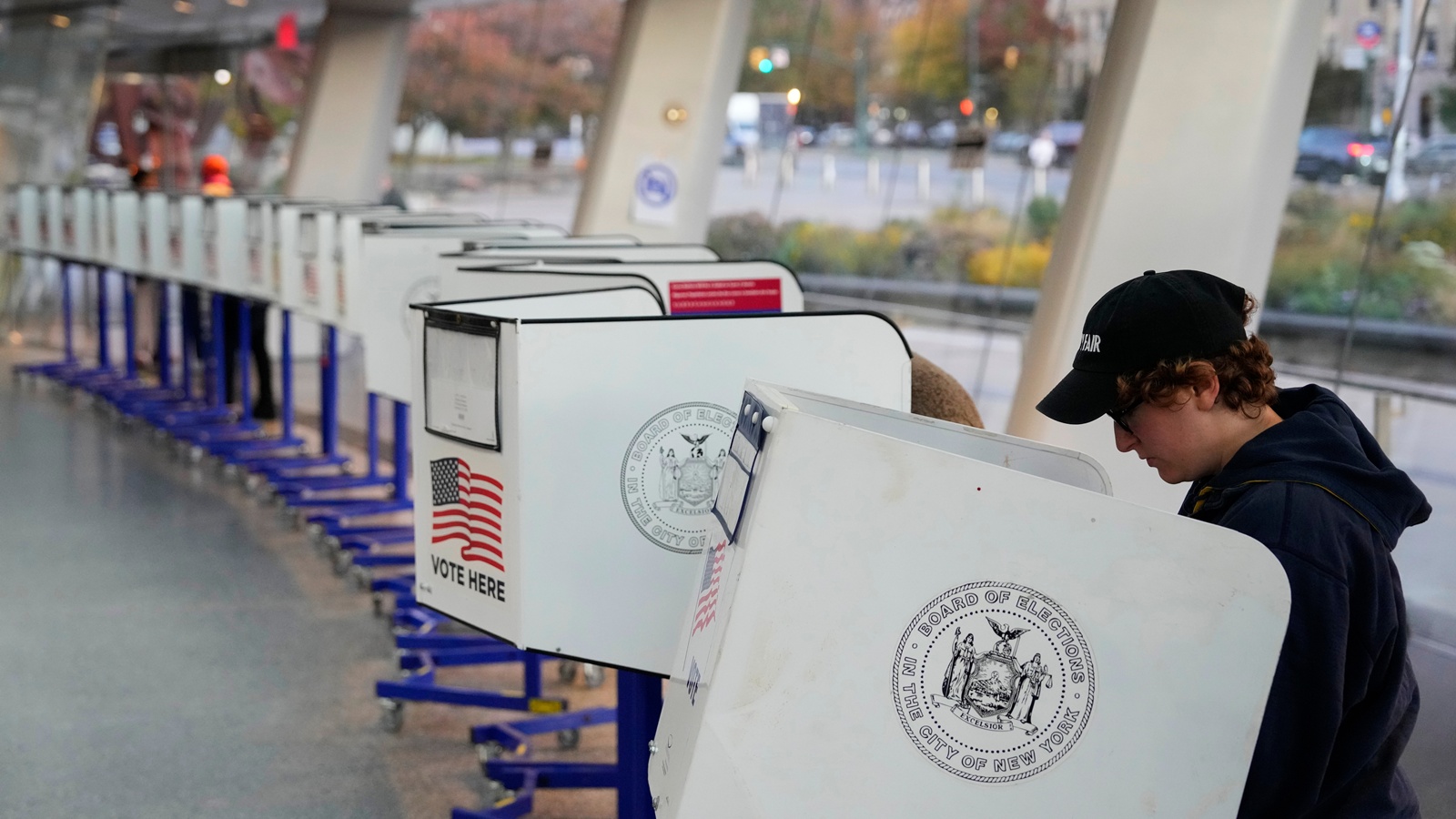
- The 2026 midterms mark not just a repudiation of Donald Trump, but possibly of Trumpism itself, with a reversal of historic breadth and depth.
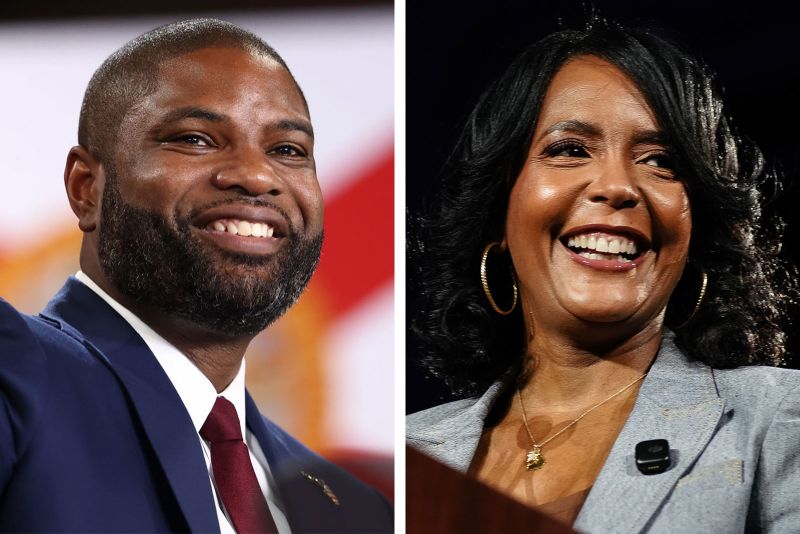
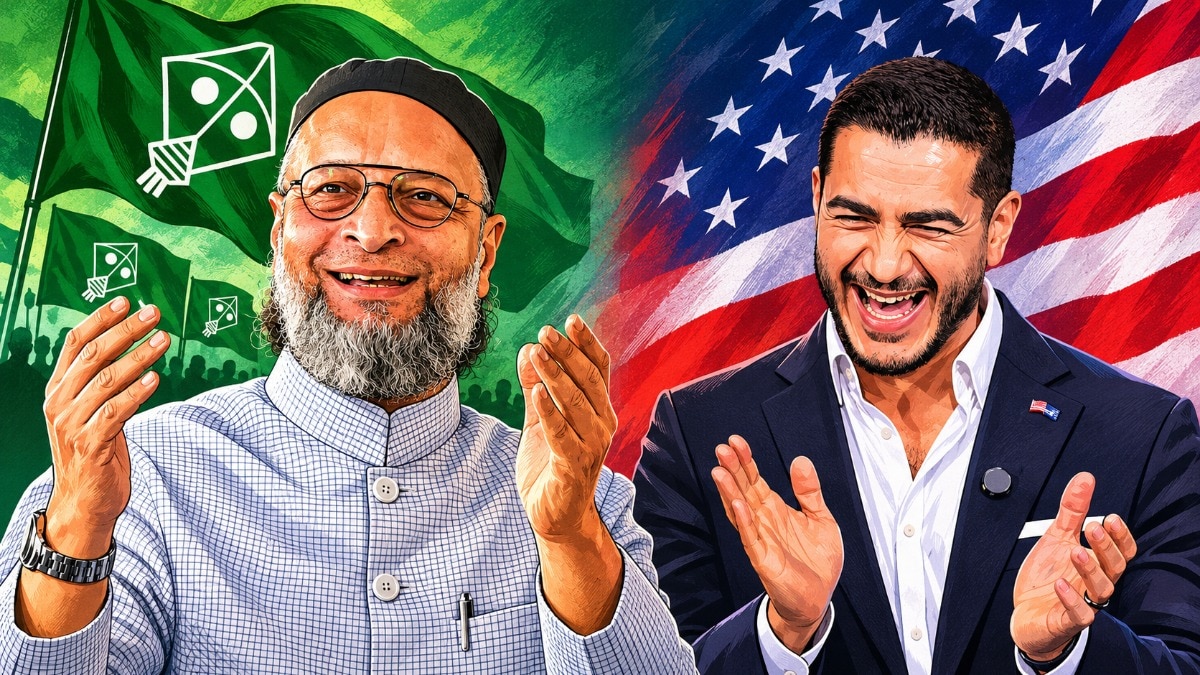
- The election featured historic firsts for Black and Muslim representation, with Georgia and Florida electing their first Black governors and Michigan electing a Muslim senator.
- AIPAC's influence is at its lowest, even amongst Jewish voters, indicating a significant shift in political dynamics.
- There was a backlash against harsh immigration enforcement and ugly campaign tactics, as well as a repudiation of war.
- The affordability crisis and war were key factors in the election, with Trump's record worsened by chaos, corruption, and tariffs.
- The election was a repudiation of corruption and oligarchy, with new anti-elitist candidates succeeding despite big money from tech billionaires.
- There is a groundswell against AI and its economic effects, as data centres are extremely unpopular.
- The Republican Party's close identification with the cult of Trump made it vulnerable, offering an object lesson for parties that overly identify with a leader.
- The Democrats successfully channeled internal differences, with moderates and Democratic Socialists finding their voice, though concerns about a return to the Obama-era consensus remain.
In the 2026 midterm elections, Democrats scored historic wins, with Georgia and Florida electing their first Black governors. This election marked a significant repudiation of Donald Trump and Trumpism, as voters expressed discontent with corruption, war, and the affordability crisis.
The results indicate a shift in the political landscape, with many new candidates emerging, reflecting a desire for change and a rejection of the established order. Historically, midterm elections often signal a reversal for incumbent presidents, but the scale of this defeat is unprecedented. The Republican Party's close association with Trump has left it vulnerable to his political liabilities, as evidenced by the backlash against his policies.
Voter sentiment was also shaped by issues such as high gas prices and the ongoing war in Iran, which contributed to a broader rejection of Trump's agenda. Many voters are now prioritizing affordability and governance over the past political baggage. The election results suggest a growing anti-elitism sentiment, with voters seeking candidates who resonate with their concerns.
Democrats successfully navigated internal differences, with moderate candidates and Democratic Socialists alike finding their footing. This election serves as a lesson in how to channel party differences constructively. The political talent of figures like Jon Ossoff and Abdul El-Sayed has also played a crucial role in shaping the future of the party.
“The reversal's breadth is staggering, with Michigan electing Abdul El-Sayed as its first Muslim senator and AIPAC's influence hitting its lowest even among Jewish voters. The affordability crisis and war, worsened by Trump's tariffs and chaos, drove the outcome, while Silicon Valley money from Elon Musk failed to stem the blue tide.”




 The Indian Express