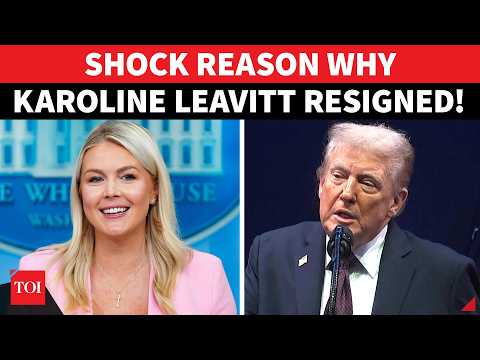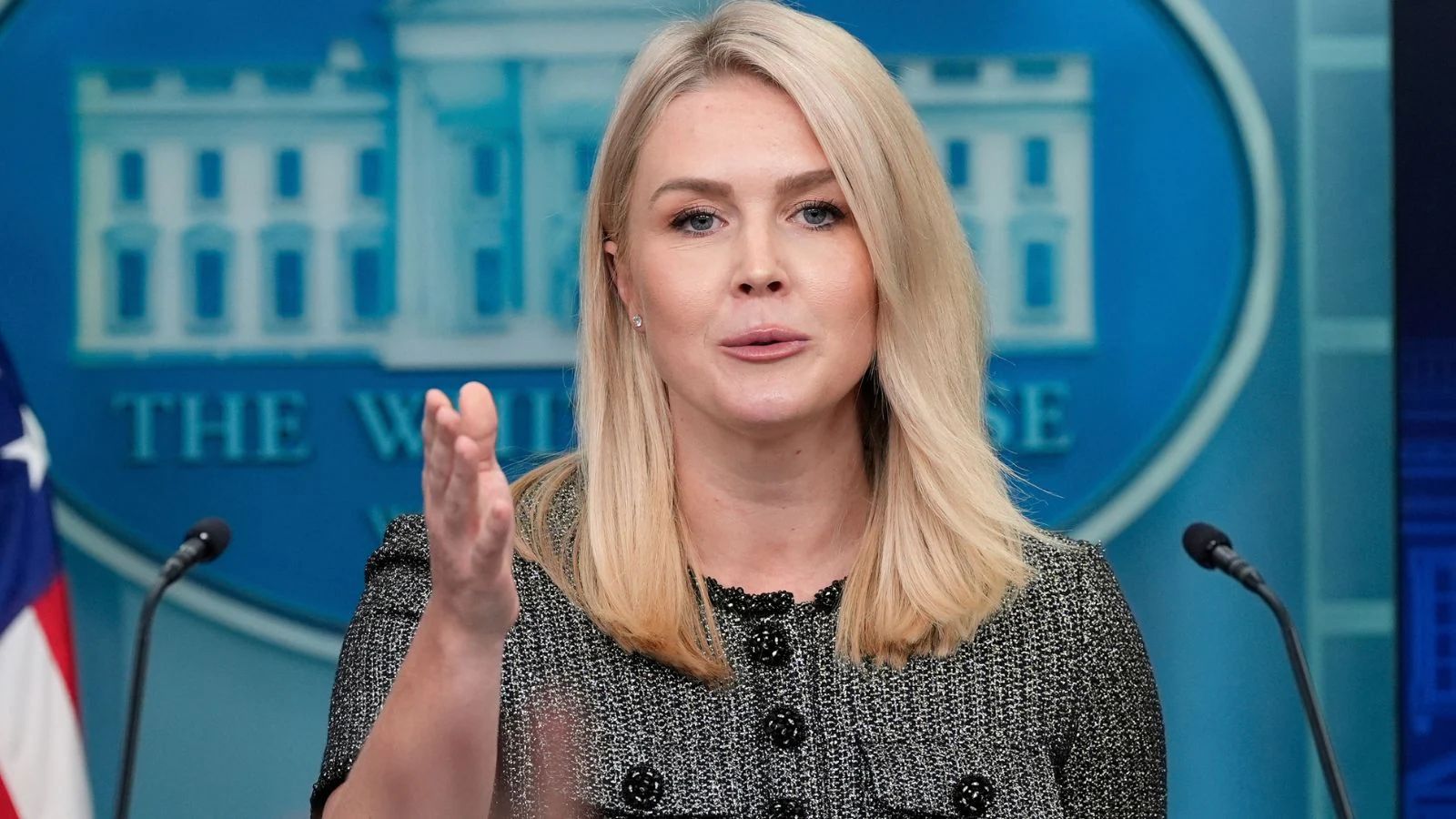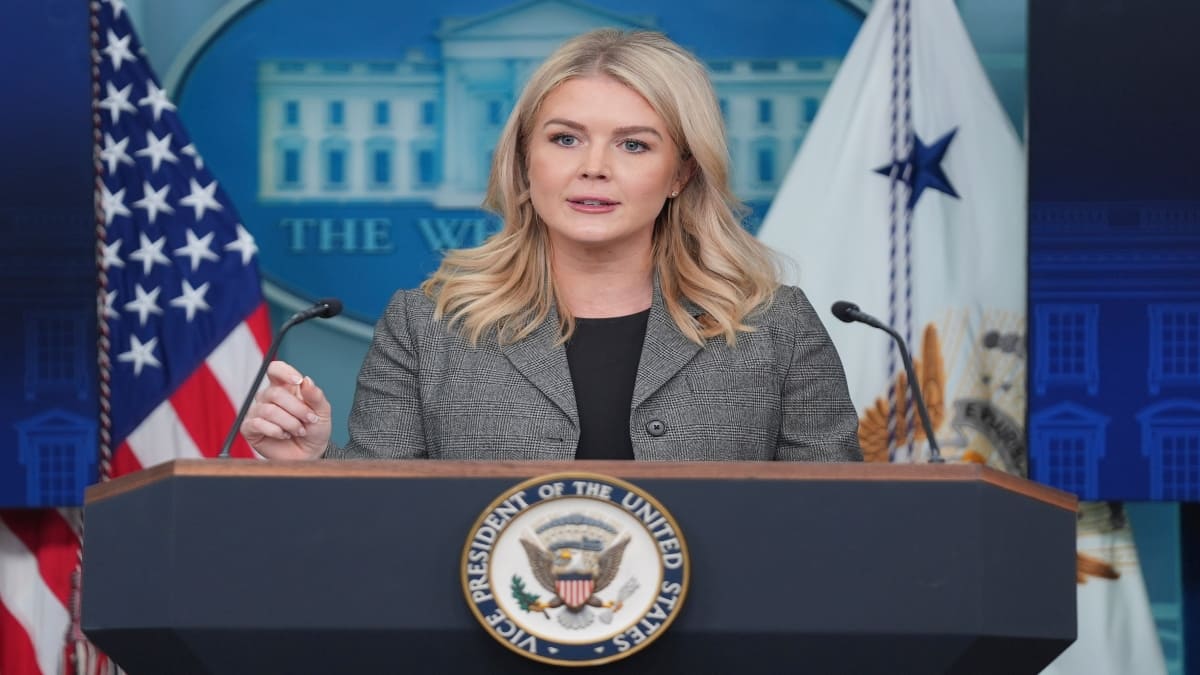
- Karoline Leavitt announced her resignation as White House press secretary on Wednesday, citing the birth of her second child on May 1 and the inability to devote the "constant time, energy, and attention" the job requires. Trump praised her as one of his "most trusted aides" and said she will continue as an outside adviser.
- Leavitt's departure is seen as a significant loss for Trump, as she was a vital member of his brain trust and understood the Trump id, leading his assault on Washington institutions of accountability.
- Leavitt's unique combination of skills will be hard to replace: she speaks MAGA more fluently on camera than anyone but the president, and her briefings are demonstrations of Trumpian defiance rather than policy explanations.
- Leavitt is beloved by Trump's supporters for her attacks on reporters, rarely answering questions directly and preferring to attack the motives or mindsets of journalists.
- Leavitt's tenure included taking control of the pool system, deciding who got into presidential events and flew on Air Force One, and adding streaming services, local conservative radio hosts, podcasters, and MAGA personalities to the permanent press corps.
- Under Trump's direction, Leavitt barred the Associated Press from certain White House press events and excluded an AP reporter from Air Force One after AP declined to change its style guide to mirror Trump's executive order on the "Gulf of America."
- Democratic Rep. James Walkinshaw said Leavitt's legacy will be one of further degrading the relationship between the White House and the press, as the job requires willfully denying reality on a daily basis.
- There are fears that with Leavitt gone, reporters will find it even more difficult to report on the decision-making of the administration, and the lack of a visible succession plan may lead Trump to take on the task himself.
Karoline Leavitt's resignation as White House press secretary marks a significant shift in President Trump's communications strategy. Citing family commitments after the birth of her second child, Leavitt's departure is seen as a personal and political loss for the administration.
Leavitt, 28, was not just a spokesperson; she was a key player in shaping Trump's media narrative. Her briefings were characterized by a unique blend of defiance and MAGA rhetoric, often sidestepping direct questions in favor of attacking the media.
Trump's supporters appreciated her approach, which echoed the combative spirit of his first campaign. “She speaks MAGA more fluently on camera than anyone but the president,” noted one observer, highlighting her ability to resonate with the base.
However, her tenure also raised concerns about the relationship between the White House and the press. Democratic Rep. James Walkinshaw remarked, “It’s a tough job... you have to willfully deny reality on a daily basis.” Critics argue that her legacy will further degrade this relationship, as she controlled access to presidential events and reshaped the press corps.
With no clear succession plan, speculation grows that Trump may take on press duties himself, complicating the administration's communication strategy moving forward.
As Leavitt transitions to an outside adviser role, her influence on the Trump administration's media strategy will likely continue to be felt.
“Leavitt's tenure included taking control of the pool system and adding conservative media to the press corps, while barring the Associated Press from events over the 'Gulf of America' style change. Democratic Rep. James Walkinshaw said her legacy will be 'further degrading the relationship between the White House and the press.'”