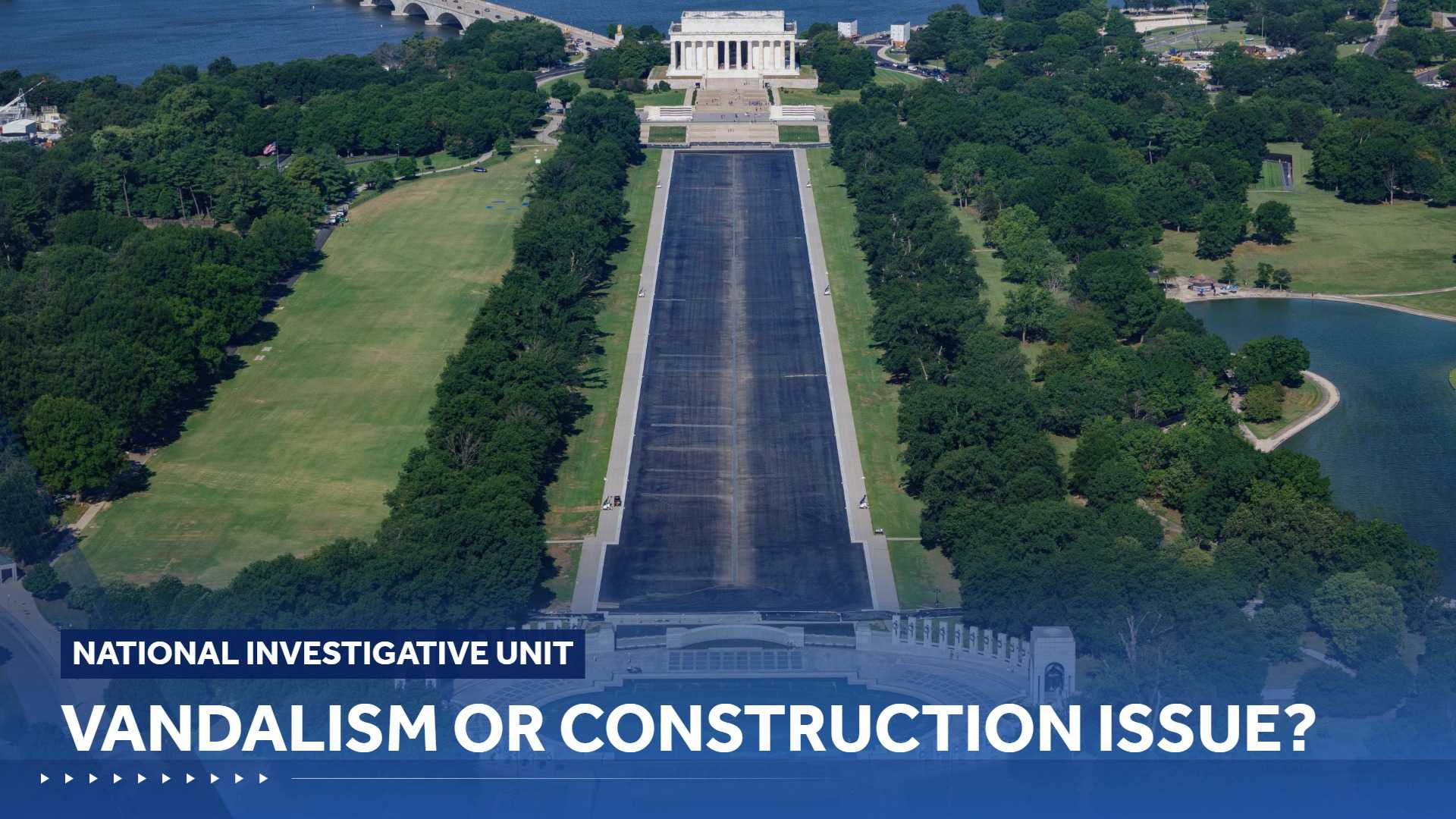
- Newly disclosed records show problems with the $14 million renovation were being recorded before Hearn was arrested, including failed tests involving the pool’s expansion-joint sealant, blistering in completed sections and peeling reported just days after the project was finished.
- Hearst Television asked two polyurea experts with more than 60 years of combined experience to review project materials; the experts said the coating itself was appropriate but identified potential installation problems involving seams, tie-ins and expansion joints, and one said, “The expansion joint is there for a reason.”
- The Justice Department’s motion to dismiss says installation began May 5 and was repeatedly delayed by rain, supply shortages and concerns that the contractor was falling behind schedule; a quality-control inspector documented blistering in finished liner portions on May 20.
- Though a final inspection took place on June 9, a National Park Service engineer reported part of the coating was already peeling two days later and warned that “overspray” could leave a strip one to two feet wide around the pool vulnerable to peeling; the warning was issued June 11, eight days before Hearn’s arrest.
- Prosecutors said the Interior Department initially represented that nearly all damage was caused by vandalism; a grand jury indicted Hearn on July 2 on a felony destruction-of-property charge, but prosecutors said they did not receive the installation-failure documents until after the indictment.
- Prosecutors later received approximately 695 megabytes of additional documents showing a “crushed and flawed installation process,” repeated coating failures and extensive peeling; they wrote that had DOI been forthcoming, the government would not have sought a grand jury indictment.
The Justice Department has dropped its case against four individuals accused of damaging the Lincoln Memorial Reflecting Pool, citing new evidence that installation issues were present before the arrests.
Documents reveal that the $14 million renovation faced significant problems, including blistering and peeling of the pool's coating shortly after completion.156
According to the Justice Department's motion to dismiss, installation began on May 5 but was delayed due to rain and supply shortages. A quality-control inspector noted blistering on May 20, prompting repair directives.
By June 9, a final inspection was conducted, but just two days later, a National Park Service engineer reported peeling, attributing it to overspray from perimeter work.789
Prosecutors initially believed that nearly all damage was due to vandalism, but later received documents indicating a rushed and flawed installation process. They stated, “Had DOI been forthcoming with the information clearly in its possession, the government would not have sought a grand jury indictment,” highlighting the lack of transparency from the Interior Department.101112
Experts reviewing the project noted that while the coating was appropriate, there were significant installation issues, particularly with seams and expansion joints.
The case's dismissal raises concerns about the oversight of federal renovation projects and the implications of misattributing damage to vandalism rather than construction failures.
“Records show failed sealant tests and peeling two days after a final inspection; a National Park Service engineer warned on June 11 that overspray could leave a one-to-two-foot strip vulnerable. Prosecutors said DOI withheld 695 megabytes of documents and they would not have sought a grand jury indictment had the agency been forthcoming.”

 WBAL-TV





