- Justice Samuel Alito announced on Monday that he will recuse himself from the Supreme Court climate change case involving Boulder, Colorado's lawsuit against Suncor Energy and Exxon Mobil, following pressure over his financial holdings in the oil and gas industry.
- The clerk of the Supreme Court, Scott Harris, stated in a letter that Alito has determined that he will not continue to participate in this case, but did not provide further explanation.
- The climate change case is set to be argued on October 5, marking the first case of the Supreme Court's new term.
- In May, left-leaning watchdog groups urged the Senate Judiciary Committee to investigate Alito's involvement in the Suncor Energy case, citing his substantial holdings in oil and gas companies.
- Earlier this year, a Supreme Court spokesperson stated that Alito did not have to recuse himself from the case because he did not have a financial interest in any of the parties involved.
Justice Samuel Alito's recusal from the Supreme Court's climate case, *Suncor Energy*, comes amid scrutiny over his financial interests in the oil sector.15
The case, which will be heard on October 5, questions whether Boulder, Colorado can sue Suncor and Exxon for climate-related damages.3
"Justice Alito has determined that he will not continue to participate in this case," stated Scott Harris, the Supreme Court clerk.2
This lawsuit could have far-reaching implications, as it may set a precedent for similar claims across the nation.
Boulder officials argue that the oil companies should be held accountable for climate change impacts, while the companies assert that state tort laws are preempted by federal law.
"The court's decision in that case could have broad implications for numerous other lawsuits filed by state and local governments seeking billions of dollars in damages for climate change," experts warn.
Alito's recusal follows pressure from environmental groups, who highlighted his stock holdings in ConocoPhillips and Phillips 66.
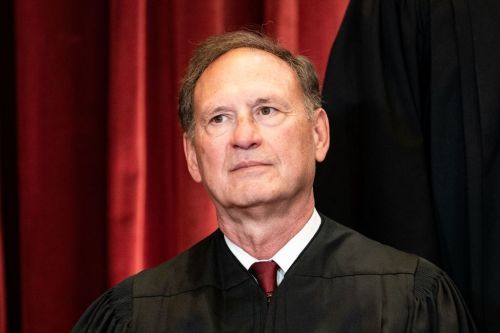
"There is no apparent reason for this change in Justice Alito's recusal practices," critics noted, referencing earlier statements that he did not need to recuse himself.
The Supreme Court's code of conduct mandates recusal when a justice's impartiality might reasonably be questioned, particularly in cases involving financial interests.
As the court opens its new term, the outcome of *Suncor Energy* could reshape the landscape of climate litigation in the U.S.
“The case, Suncor Energy v. Boulder, is set for argument on October 5 and could determine whether state courts can hear climate lawsuits seeking billions in damages. Alito's financial disclosure showed holdings in ConocoPhillips and Phillips 66, prompting watchdog groups to demand a Senate Judiciary Committee investigation in May.”