 Popular Science
- On July 4, Mars and Uranus will appear exceptionally close to each other, at 0.1 degree apart, marking their closest conjunction until 2053.
- On July 6, Earth will reach aphelion, its farthest distance from the sun this year, at 94,502,961 miles.
- On July 7, the moon and Saturn will appear in close proximity, with the best viewing window between 1 a.m. and dawn.
- On July 10, The Pegasids Meteor shower will peak, with its radiant location in the constellation Pegasus.
- On July 11, the moon will align close to Mars, with the naked eye being the best option for viewing.
- On July 17, the moon and Venus will appear close in proximity, best viewed shortly after sunset.
- On July 27, Pluto will be at opposition, making it the best time to observe it, although it cannot be seen with the naked eye.
- On July 28, The Gamma Draconids are predicted to peak, with a chance of an outburst similar to the one in 2016 that produced up to 40 meteors an hour.
- On July 30, The Delta Aquariids will peak and are a long-lived meteor shower that starts in mid-July and continues into August.
- On July 29, a full moon will rise, coinciding with a solar conjunction when a planet passes directly behind the sun.
- July 2026 is set to be a bumper month for stargazing, with a brilliant Venus shining in the west after sunset, a delicate crescent moon near Mars and the Pleiades before dawn, and the full Buck Moon rising later in the month.
- July 29 marks the occurrence of July’s full Buck Moon at 10:36 a.m. EDT, with the best viewing time being moonrise that evening.
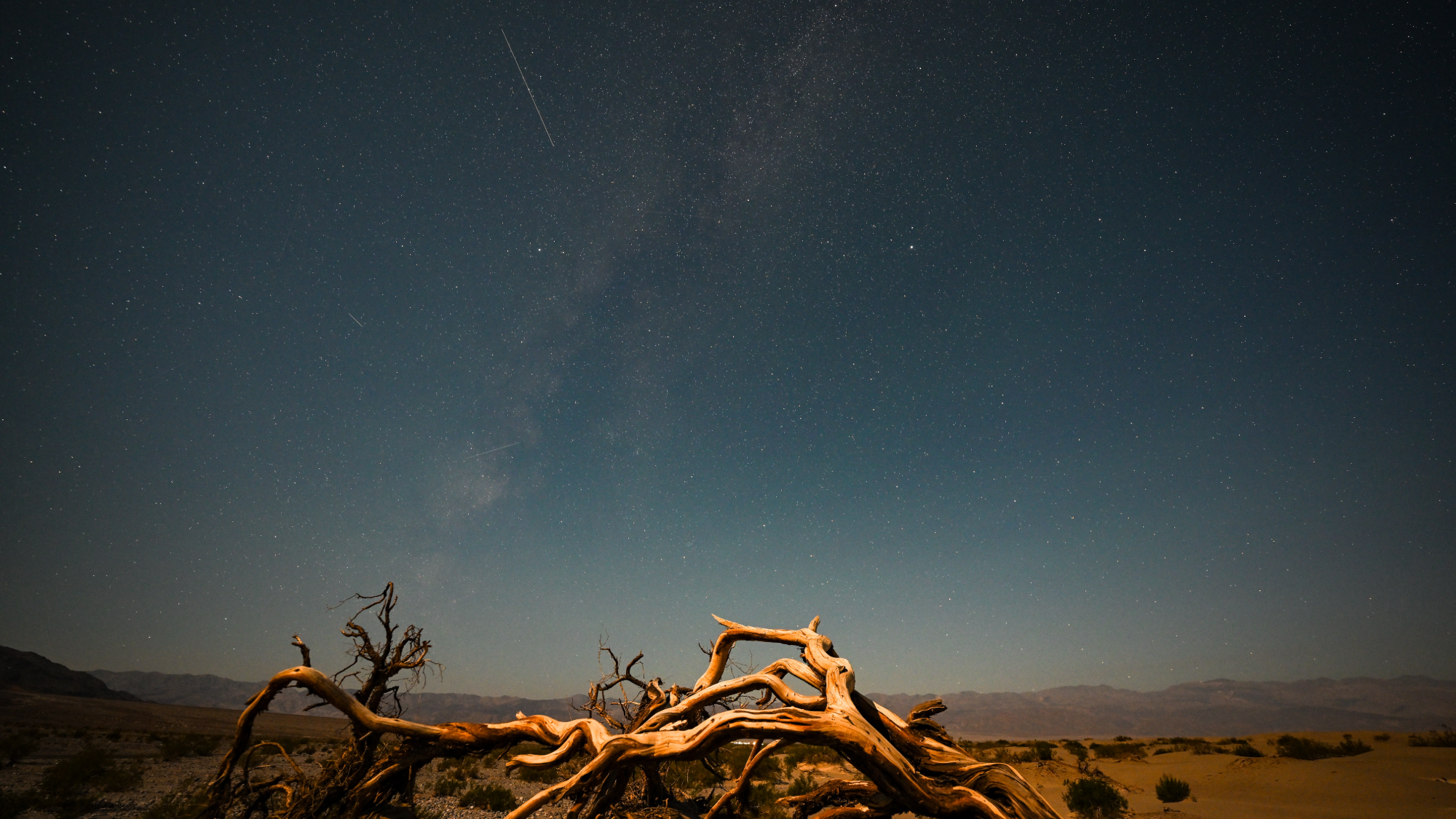
July 2026 is shaping up to be an extraordinary month for astronomy enthusiasts, with multiple meteor showers and planetary alignments.23
The July Pegasids are expected to peak on July 10, while the Gamma Draconids will reach their peak on July 28, following a decade since their last significant outburst.78161718

The Delta Aquariids, which can produce around 25 meteors per hour under ideal conditions, will also be visible, adding to the month’s celestial offerings.
Notably, the full Buck Moon will rise on July 29 at 10:36 a.m. EDT, providing a perfect backdrop for the meteor showers.569101112212224
Additionally, stargazers can look forward to a series of planetary conjunctions, including a close alignment of Mars and Uranus on July 4, which will be just 0.1 degrees apart, their closest until 2053.12
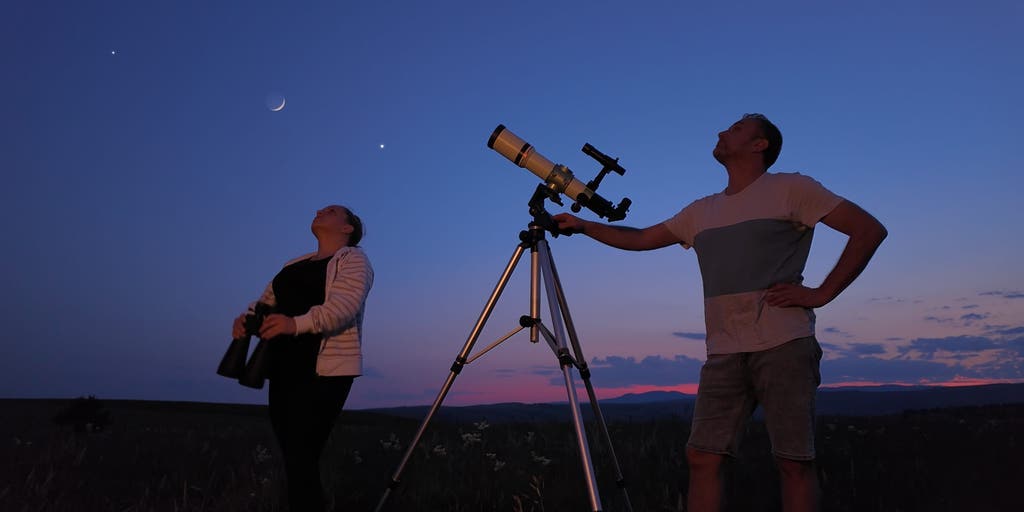
The moon will also play a significant role, appearing near Saturn on July 7 and aligning with Venus on July 17, making for spectacular viewing opportunities.
With the Perseid meteor shower beginning on July 17 and peaking on August 12-13, July is set to be a month filled with breathtaking astronomical events.
“July 2026 is set to be a bumper month for stargazing, featuring the Pegasids Meteor shower peaking on July 10 and Pluto at opposition on July 27. Stargazers can also look forward to the full Buck Moon on July 29 and several planetary conjunctions throughout the month.”
 Forbes
 FOX Weather



