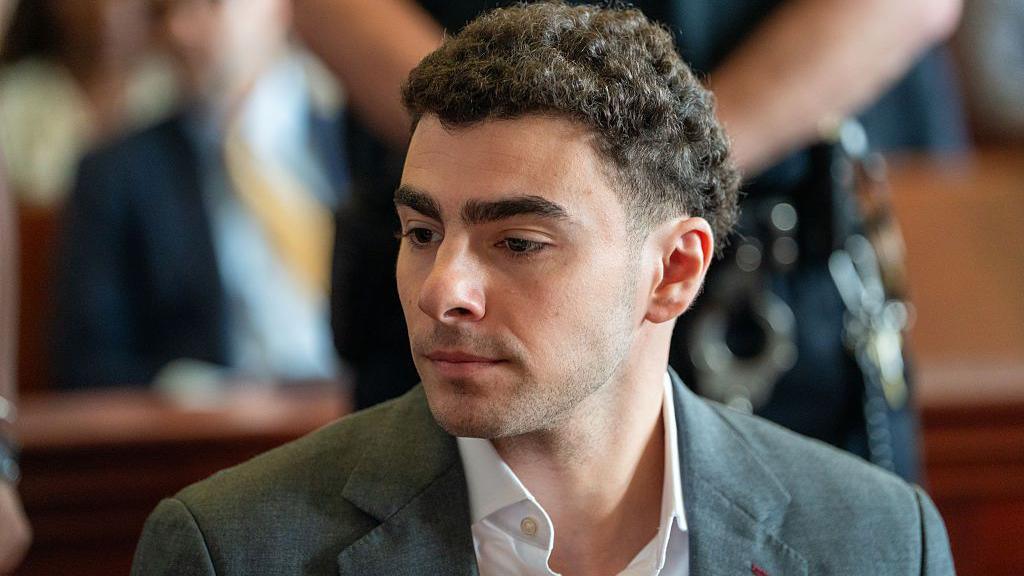
- The jury in the New York state trial of Luigi Mangione will remain anonymous, the judge overseeing the case ruled on Tuesday.
- Mangione has pleaded not guilty to the killing of UnitedHealthcare chief executive Brian Thompson outside a Manhattan hotel in December 2024.
- Judge Gregory Carro decided the 12-person jury would be anonymous to the public because of the intense spotlight on the case.
- The trial begins next month, with jury selection scheduled to start on 8 September.
- Mangione faces a separate federal trial next year, in which he has also pleaded not guilty.
- If convicted, Mangione faces decades behind bars.
- Judges are increasingly choosing to shield jurors' identities from the public in high profile cases out of concern they may be subject to harassment or intimidation.
- The shooting was condemned by many but seen by others as emblematic of many Americans' frustration with health insurance industry practices and attracted intense publicity.
Luigi Mangione's murder trial will feature an anonymous jury, as ruled by Judge Gregory Carro, due to the intense media scrutiny surrounding the case. Jury selection is set for September 8, with the trial expected to last six weeks. Mangione, 28, has pleaded not guilty to second-degree murder and other charges related to the fatal shooting of UnitedHealthcare CEO Brian Thompson in December 2024. If convicted, he faces up to life in prison.
The judge's decision to keep jurors' identities confidential reflects a growing trend in high-profile cases, aimed at protecting jurors from potential harassment. Carro noted that the court would provide an overflow room to accommodate the public, despite concerns raised by prosecutors about security. “It was not the court's 'first rodeo' with blockbuster cases,” Carro stated.
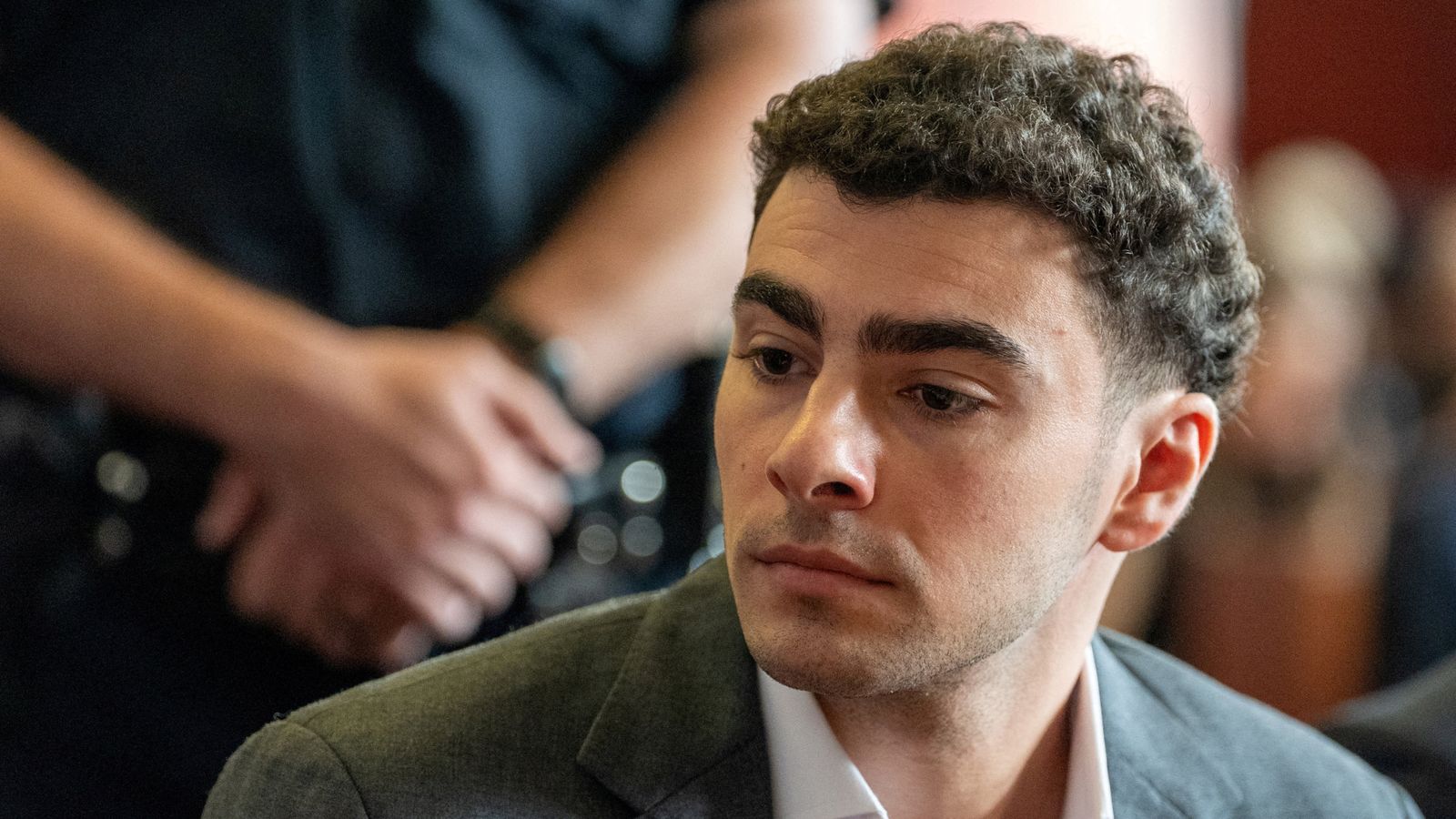
Prosecutors claim they have substantial evidence against Mangione, including hundreds of hours of surveillance video, fingerprints, DNA, and a notebook where he allegedly expressed hatred towards insurers. The defense has hinted at a potential strategy involving a mental health breakdown but has not admitted to Mangione being the shooter. “The more his case is about the question of who killed the victim, the easier it is for the prosecution,” said former federal prosecutor Mitchell Epner, emphasizing the prosecution's strong position.
The trial's outcome could have significant implications, as it has drawn attention to broader issues within the health insurance industry, reflecting public frustration with its practices.
“The judge also ordered an overflow room for the public and press, rebuking prosecutors' security concerns as not the court's "first rodeo." Mangione faces up to life in prison if convicted, and a separate federal trial is scheduled for January.”