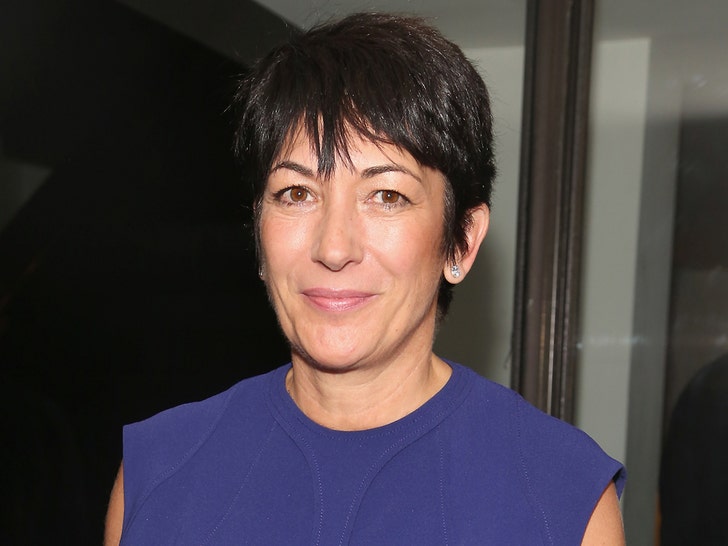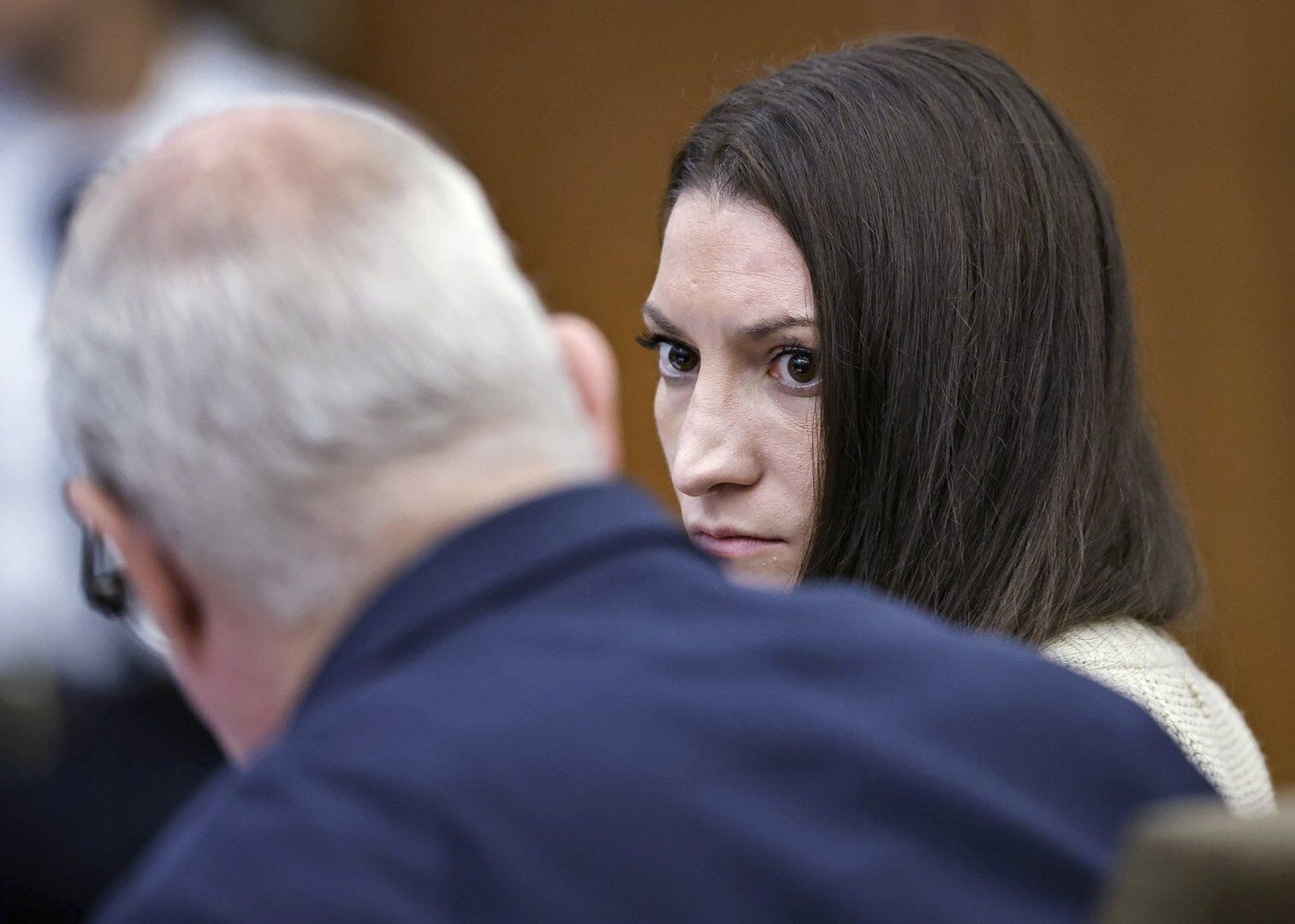
- Ghislaine Maxwell's petition for release from prison has been denied by a federal judge.
- Judge Paul Engelmayer of the Southern District of New York rejected Maxwell's habeas corpus petition, which she filed herself without legal representation.
- Maxwell was convicted of multiple felonies at her December 2021 trial for conspiracy to abuse underage girls with Jeffrey Epstein.
- Engelmayer stated that most of Maxwell's claims are procedurally barred, either because she already made them during her direct appeal or could have but elected not to.
- Engelmayer characterized Maxwell's petition as 'lengthy and rambling' and her claims as 'all meritless' and mostly or entirely 'frivolous'.
- Although Maxwell can appeal the denial of her petition to the Second Circuit, Engelmayer's decision leaves her with fewer routes to her release.
- Engelmayer noted that Maxwell's claims fall 'very far from the mark', adding, 'There is no fact that Maxwell fairly puts in dispute that has any potential to disturb the outcome of her trial.'
Ghislaine Maxwell's bid for release from her 20-year sentence was denied by Judge Paul Engelmayer, who described her claims as 'procedurally barred' and 'meritless.' Maxwell, convicted in December 2021 for her role in the sexual abuse of underage girls alongside Jeffrey Epstein, filed her petition without legal representation.124

Engelmayer stated that her arguments, including allegations of juror misconduct and selective prosecution, were either previously addressed or could have been raised during her appeal process. He emphasized that the evidence against her was overwhelming, stating, 'There is no fact that Maxwell fairly puts in dispute that has any potential to disturb the outcome of her trial.'6
The judge characterized her petition as 'lengthy and rambling' and noted that it was mostly 'frivolous.' Although Maxwell has the option to appeal this decision to the Second Circuit, Engelmayer's ruling significantly limits her chances for release. He concluded that her claims fall 'very far from the mark.' Maxwell is currently serving her sentence at Federal Prison Camp Bryan in Texas, where she continues to contest her conviction.5
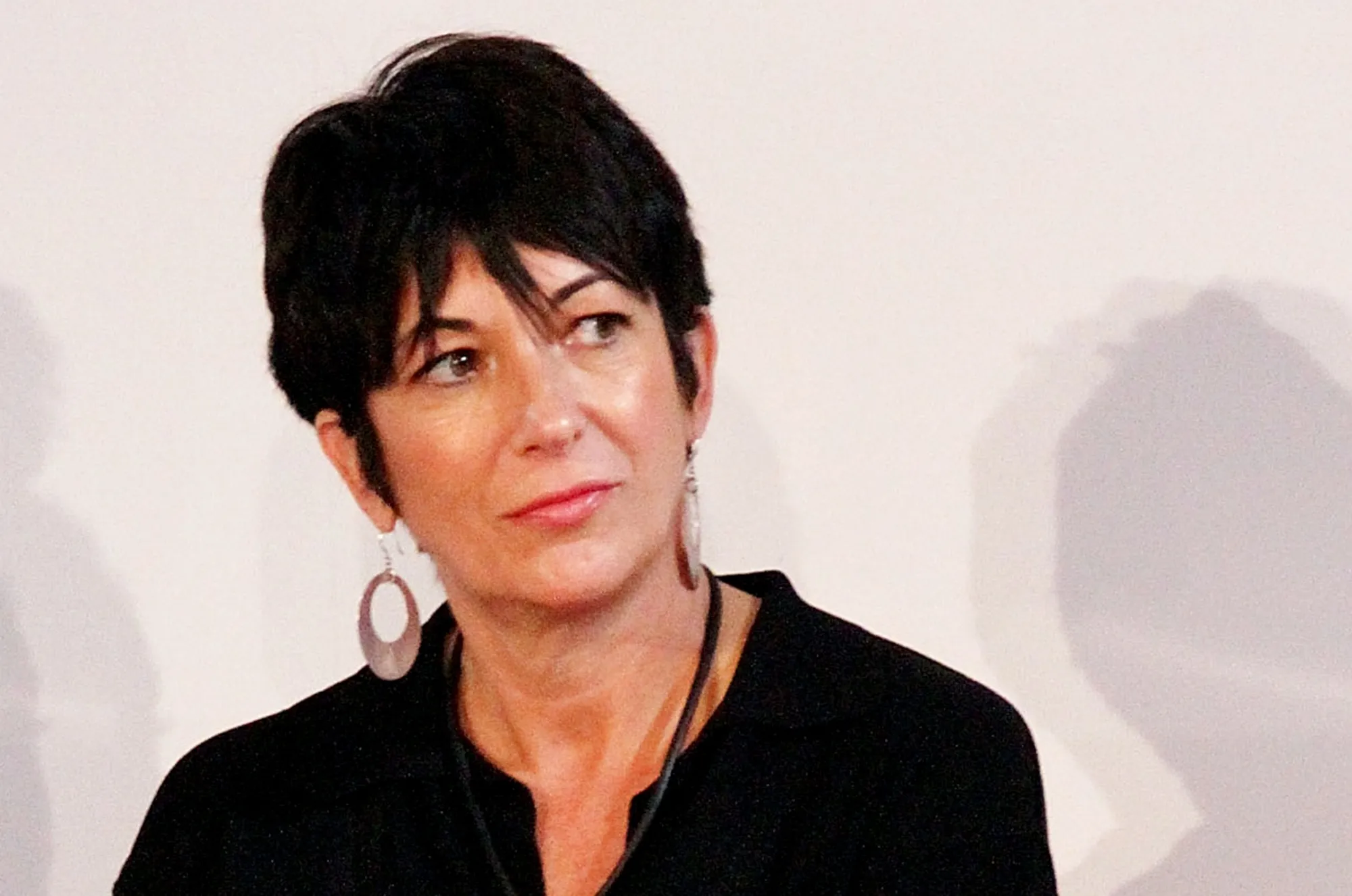
This ruling underscores the challenges faced by Maxwell as she seeks to overturn her conviction and highlights the judicial system's stance on her claims of wrongful prosecution and trial irregularities.
“Engelmayer wrote that Maxwell's claims of juror misconduct and selective prosecution were either already raised on direct appeal or could have been, and he called her petition 'lengthy and rambling.' Maxwell, who filed pro se, can still appeal to the Second Circuit, but her options for release are now narrower.”
 BBC
BBC MS NOW