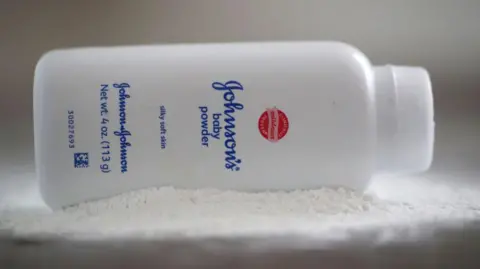
- Johnson & Johnson will pay a $5.5 billion settlement in a talc cancer lawsuit covering about 76,000 claims, including those consolidated in a federal court in New Jersey.
- Erik Haas, Johnson & Johnson’s vice-president of litigation, stated that the claims were 'meritless' and that the company was willing to settle to achieve closure.
- The company expects to pay $3 billion in 2027, with additional payments planned for 2028.
- Chris Seeger, a lawyer representing about 2,500 clients with talc claims, indicated that the total payout could ultimately exceed $7 billion.
Johnson & Johnson has reached a landmark settlement of $5.5 billion to resolve around 76,000 claims related to its talc products, which have been linked to cancer allegations. This agreement could potentially conclude a contentious legal battle lasting over a decade.1
The settlement encompasses nearly all remaining talc claims against the company, including those consolidated in federal court in New Jersey and related state court cases. However, the deal requires acceptance by 95% of ovarian cancer claimants in state or federal court before it becomes final.
Erik Haas, Johnson & Johnson’s vice-president of litigation, described the claims as “meritless,” asserting that the company opted for settlement to achieve closure. The company has consistently maintained that its talc products are safe and free from asbestos, having ceased sales of talc-based baby powder in the U.S. in 2020 in favor of a cornstarch alternative.2
Chris Seeger, a lawyer representing approximately 2,500 clients with talc claims, indicated that the total payout could exceed $7 billion. Johnson & Johnson anticipates making $3 billion of the settlement payments in 2027, with additional payments scheduled for 2028.34
“Erik Haas, Johnson & Johnson’s vice-president of litigation, stated the claims were 'meritless' and that the settlement aims to provide closure. Chris Seeger, representing about 2,500 clients, indicated that total payouts could reach $7 billion or more, highlighting the extensive financial implications of the agreement.”
 The Guardian