
- India's bank credit growth is accelerating to 17-18% year-on-year, marking the fastest pace in over a decade, according to Jefferies.
- In July, foreign investors turned net buyers, with $2.12 billion in inflows, although they remain net sellers for the year.
- Christopher Wood has reshaped Jefferies' India long-only portfolio by removing HDFC Bank and PB Fintech, while adding MCX and Lenskart.
- Additionally, REC has been replaced with Bajaj Finance, and the allocation to Eternal has increased, funded by a reduction in Bharti Airtel.
- Corporate lending has emerged as a key driver of the credit growth, running at 20% year-on-year, while loans to agriculture and retail are also expanding.
- The Reserve Bank of India's foreign-currency inflow scheme has mobilized about $41 billion by the end of July, with expectations to reach $80-100 billion by September 30.
- The removal of tax on interest income from foreign purchases of government bonds has generated $8.7 billion in net inflows since early June.
- Wood noted that these developments increase the likelihood of the rupee stabilizing, which recovered to 95.17 per U.S. dollar by July 31.
Jefferies' Christopher Wood has reshaped the firm's India long-only portfolio, removing HDFC Bank and PB Fintech, while adding Multi Commodity Exchange (MCX) and Lenskart Solutions. This strategic shift comes as bank credit growth accelerates to 17-18% year-on-year, marking the fastest pace in over a decade.138
In his latest GREED & fear note, Wood highlighted that corporate lending is a key driver of this expansion, growing at about 20% YoY. Loans to agriculture and retail sectors are also witnessing healthy growth rates, indicating broad-based demand across the economy.5
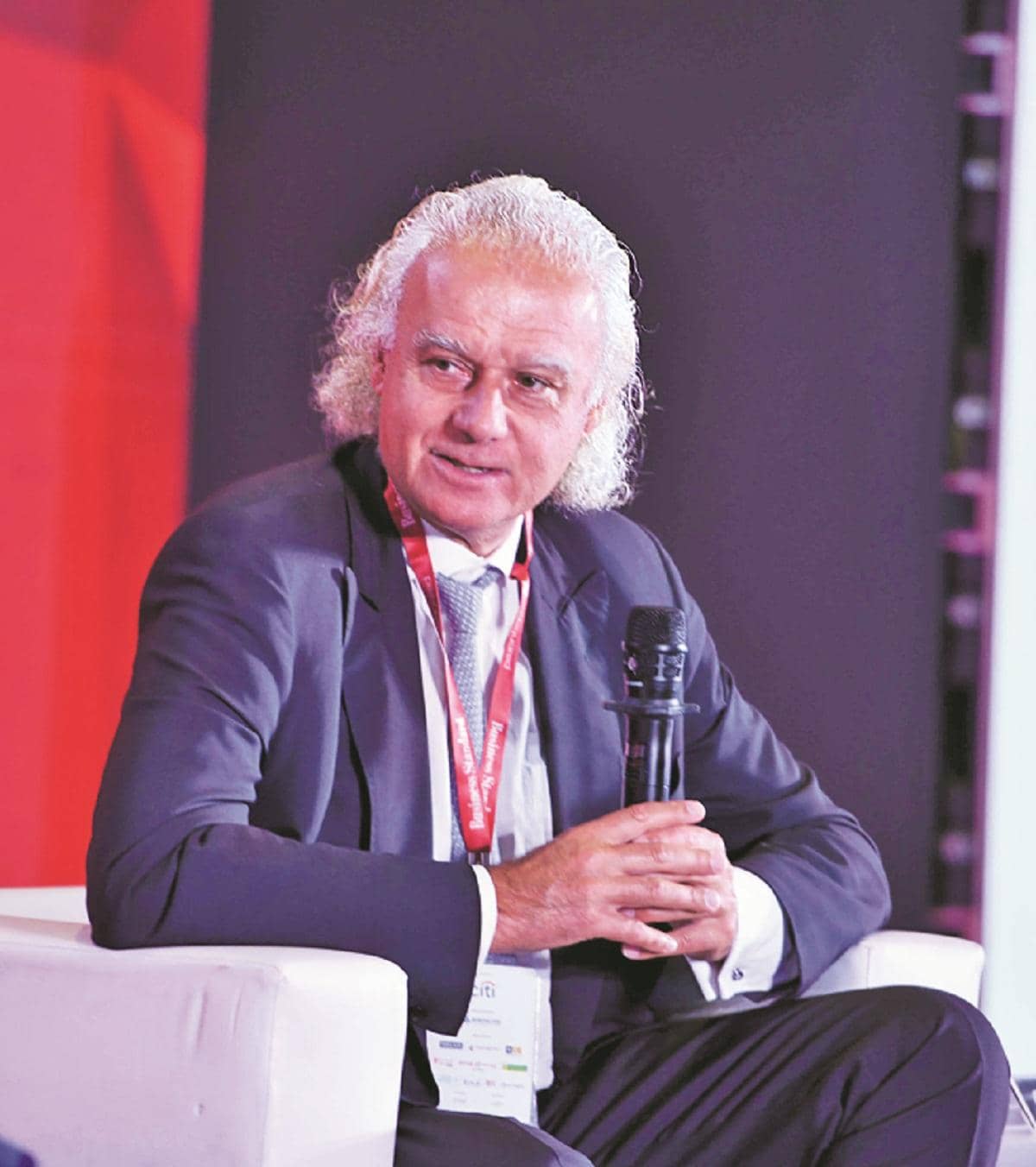
Foreign equity inflows have returned, with investors purchasing a net $2.12 billion of domestic equities in July, although they remain net sellers for the year, with outflows totaling $25.86 billion, according to the National Securities Depository.2
The Reserve Bank of India's foreign-currency inflow scheme has mobilized approximately $41 billion by the end of July, with expectations to reach $80 billion-$100 billion by the September 30 deadline. This policy-driven inflow is expected to provide a macro cushion for the Indian economy.6

Additionally, the removal of tax on interest income from foreign purchases of government bonds has generated $8.7 billion in net inflows since early June, further supporting the rupee, which has stabilized to 95.17 per U.S. dollar as of July 31, recovering from a low of 96.96 in May.7
Wood's analysis indicates that these factors contribute to a positive outlook for the Indian market, despite the challenges posed by previous net outflows.
“The reshuffle comes as foreign investors turned net buyers in July with $2.12 billion inflows, though they remain net sellers for the year with outflows totaling $25.86 billion. Wood also highlighted RBI's foreign-currency inflow scheme, which has mobilized about $41 billion and is expected to reach $80-100 billion by September 30.”




