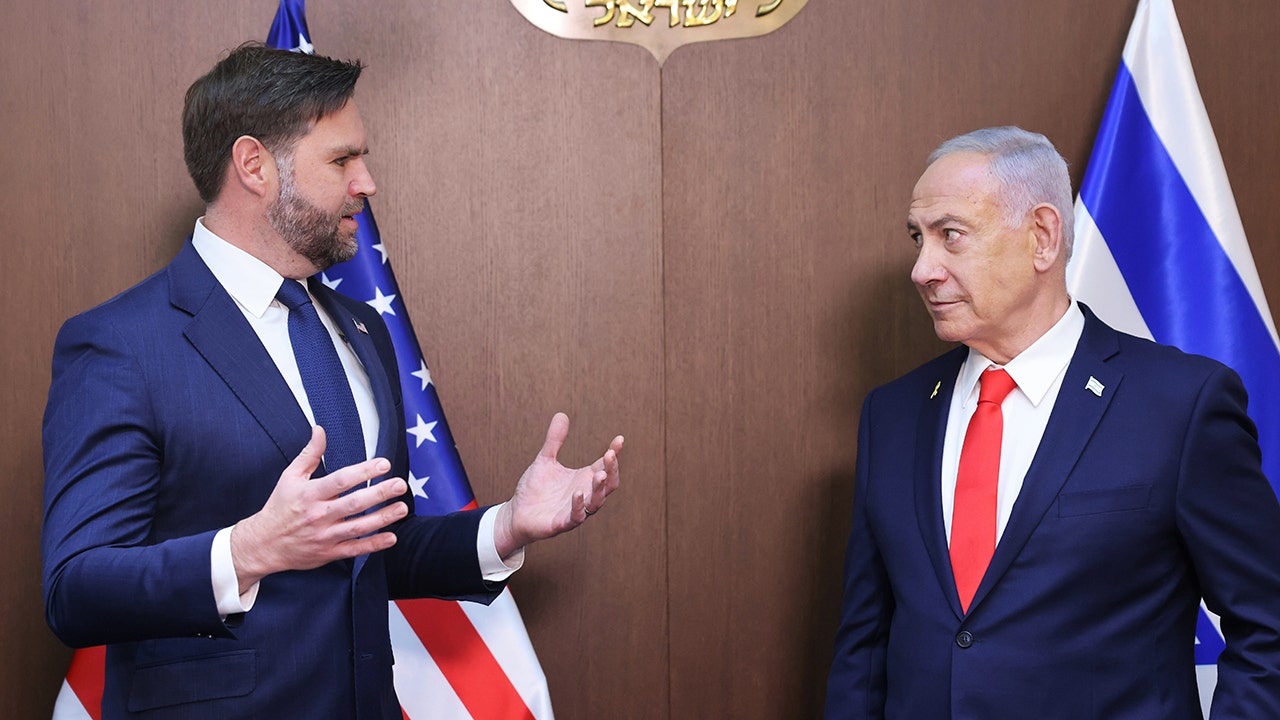
- Vice President JD Vance privately accused Israeli Prime Minister Benjamin Netanyahu of being "wrong on everything" about the Iran war, according to reports, as disagreements over the conflict expose tensions within the Trump administration and raise questions about Vance's potential 2028 presidential ambitions.
- Sachs said the timing of Vance's remarks is notable because "about midnight Wednesday, the next presidential campaign in the United States began," and Vance is positioning himself, breaking with Trump's policy by criticizing Netanyahu but never Trump.
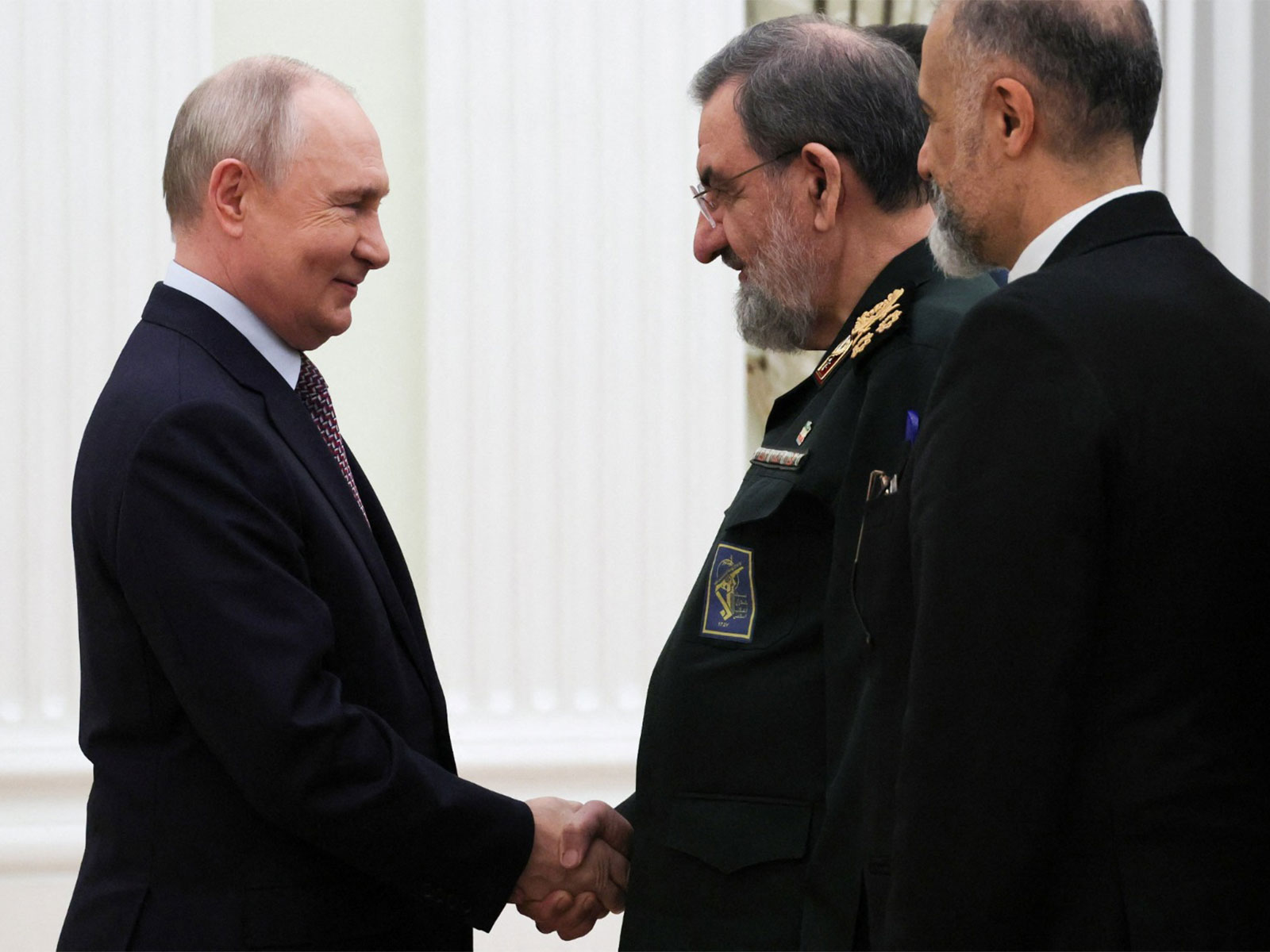
- Last month, Vance sent a letter through Qatari intermediaries to Mohsen Rezaei, secretary of Iran's Supreme National Security Council, proposing renewed peace negotiations, and according to Axios, the letter said any negotiations to prevent further U.S. military strikes must address Iran's nuclear program.
- Sachs claimed that Vance was likely operating on behalf of Trump in these negotiations, and that Vance agreed to a memorandum of understanding (MOU) that gave "quite a bit to the Iranians," more than the administration now considers reasonable, while Vance has been on the side seeking a diplomatic breakthrough.
- According to Naysan Rafati (senior fellow at the Middle East Institute), "Low-level hostility between Vance and Netanyahu is beneficial for Vance" because it allows him to distance himself from the Trump administration after its "huge electoral beating" while positioning himself differently from President Trump without attacking him.
- Sachs said Vance's main concern appeared to be the prospect of overthrowing Iran’s government after Netanyahu presented Trump with a plan, and that many Israeli opposition leaders are skeptical of regime change through an air campaign, warning it could "strengthen the regime."
- Sachs noted that if Netanyahu is no longer Israel's leader, Vance will face a decision on whether to continue a confrontational line with new Israeli leadership or pursue a different path.
- Sachs explained that Netanyahu is an easy target for Vance because there are real differences of opinion and Netanyahu's role was important, allowing Vance to criticize the war and Netanyahu without saying "any bad word about Trump."
- Sachs said the real question is whether the Americans and Iranians can agree on fundamentals, starting with freedom of navigation in the Straits of Hormuz and the cessation of hostilities, and described Vance's position as a "very difficult balancing act for him electorally" since he was against the war but is vice president in the administration that went to war.
Vice President JD Vance has expressed private discontent with Israeli Prime Minister Benjamin Netanyahu, labeling him "wrong on everything" regarding the Iran war. This rift underscores growing tensions within the Trump administration as Vance positions himself for a potential 2028 presidential run.
Vance's criticisms come amid a backdrop of electoral challenges for the Trump administration, with analysts suggesting that his distancing from Netanyahu could be politically advantageous. “Low-level hostility between Vance and Netanyahu is beneficial for Vance,” noted a senior fellow at the Middle East Institute, emphasizing Vance's need to carve out a distinct identity separate from Trump.
The Vice President's concerns appear to center on the implications of military action against Iran, particularly after Netanyahu's proposals to Trump regarding regime change. “Many opposition leaders in Israel are very skeptical of the idea that you can bring about regime change through an air campaign,” said an expert, warning that such actions could inadvertently strengthen the Iranian regime.
As Vance navigates these complex dynamics, he has also sought to engage diplomatically, recently sending a letter proposing renewed peace negotiations with Iran. “My suspicion is that JD Vance was operating on behalf of Trump on this,” an analyst remarked, highlighting the delicate balancing act Vance faces as he critiques the war while remaining part of the administration that initiated it.
Ultimately, Vance's strategy reflects a broader ambition to redefine his political future while managing the fallout from the ongoing conflict in the Middle East.
“Vance sent a letter through Qatari intermediaries to Iran's Mohsen Rezaei proposing renewed peace negotiations, addressing Iran's nuclear program. Sachs said Vance's criticism of Netanyahu allows him to distance himself from the administration's 'huge electoral beating' without attacking Trump.”


 Fox News