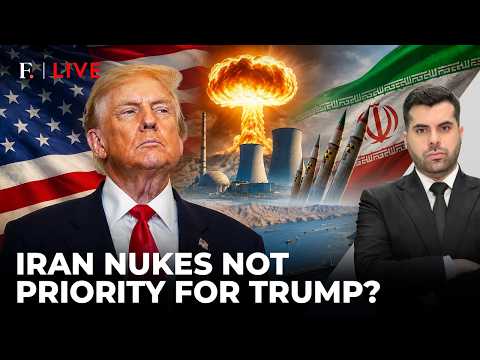
- Lowering U.S. oil prices is now the top priority in the Iran war, according to Vice President JD Vance, who stated that preventing Iran from obtaining a nuclear weapon has become a secondary goal.
- Vance emphasized on Fox News that keeping oil and gas cheap is goal number one, while ensuring Iran never gets a nuclear weapon is goal number two.
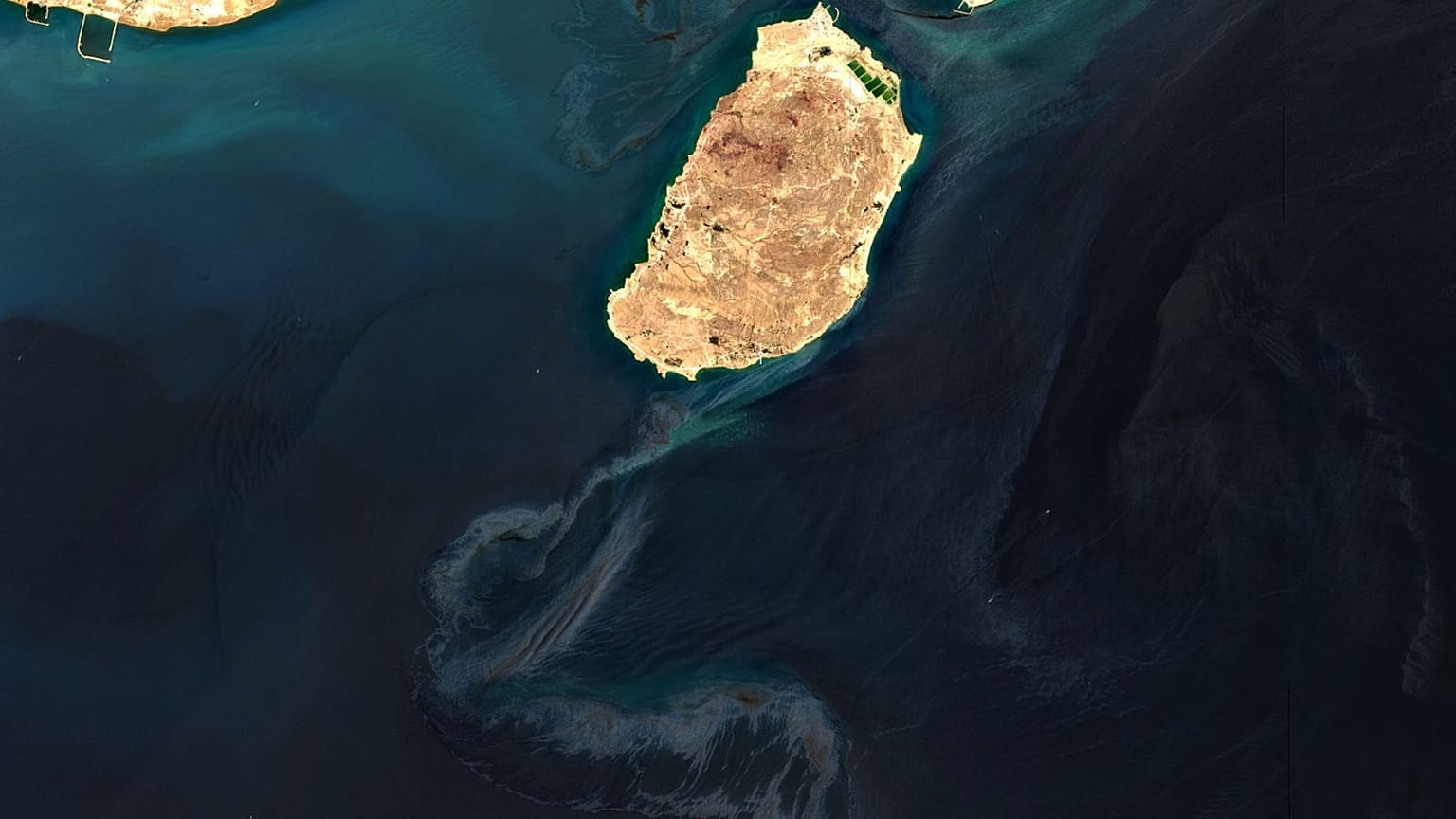
- Iran's blockade of the Strait of Hormuz has given it significant leverage, complicating U.S. efforts to negotiate a resolution to the conflict.
- Treasury Secretary Scott Bessent has threatened new economic punishment against Iran, which is expected to be announced next week.
- President Trump described the U.S. approach as 'low-keying it' and stated that the U.S. is only semi-negotiating with Iran.
- The war with Iran, initiated by Trump and Israel in late February, has shifted focus from nuclear concerns to economic issues, particularly oil prices.
- The U.S. national average price of gasoline has reached record highs, complicating the political landscape as midterm elections approach.
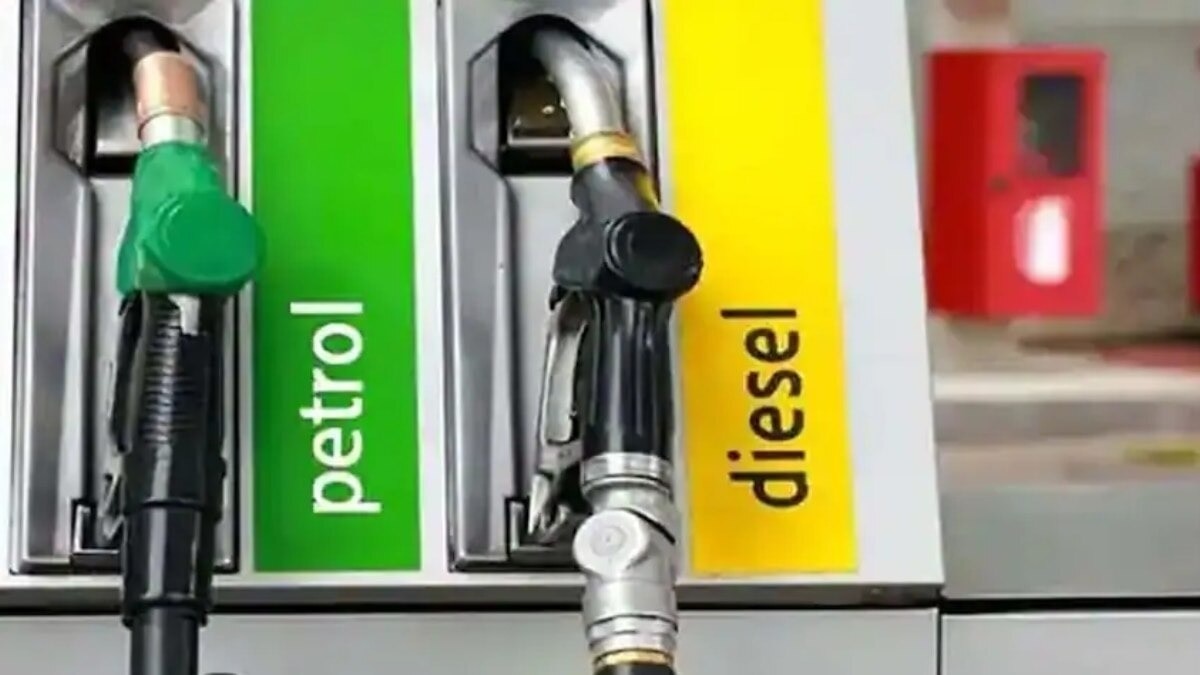
Vice President JD Vance emphasized that the primary focus of the U.S. in the ongoing Iran war has shifted from preventing Iran's nuclear ambitions to reducing gasoline prices for American consumers. Speaking on Fox News, Vance stated, "That's goal number one -- keep oil and gas cheap for Americans all over our country."
This shift in priorities comes as the U.S. continues to enforce a blockade on Iranian oil exports, with Vance acknowledging that oil prices have decreased from their highs earlier in the conflict but remain a concern for consumers. He noted that the national average price of gasoline is currently at $4.06 per gallon, the highest for this time of year since records began.

Vance's comments reflect a broader strategy by the Biden administration to maintain economic pressure on Iran while navigating the complexities of the war. “Preventing Iran from obtaining a nuclear weapon,” which was previously touted as a primary goal, has now taken a back seat to ensuring the free flow of oil through the Strait of Hormuz, a critical supply route that Iran has largely shut down in retaliation.
The U.S. Treasury Secretary Scott Bessent has indicated that new economic measures against Iran are forthcoming, aiming to isolate Tehran economically. “We are low-keying it,” President Trump remarked, highlighting the administration's cautious approach as it grapples with rising gasoline prices and an unpopular war.
As the situation evolves, the U.S. faces mounting pressure to balance its energy needs with its foreign policy objectives, particularly as midterm elections approach.
“Treasury Secretary Scott Bessent threatened to subject Iran to economic isolation "like the world has never seen before," with new measures expected next week. Iran has set conditions for reopening the strait, including an end to the war and lifting sanctions, which the Trump administration is unlikely to accept.”


 Crude Oil Prices Today | OilPrice.com