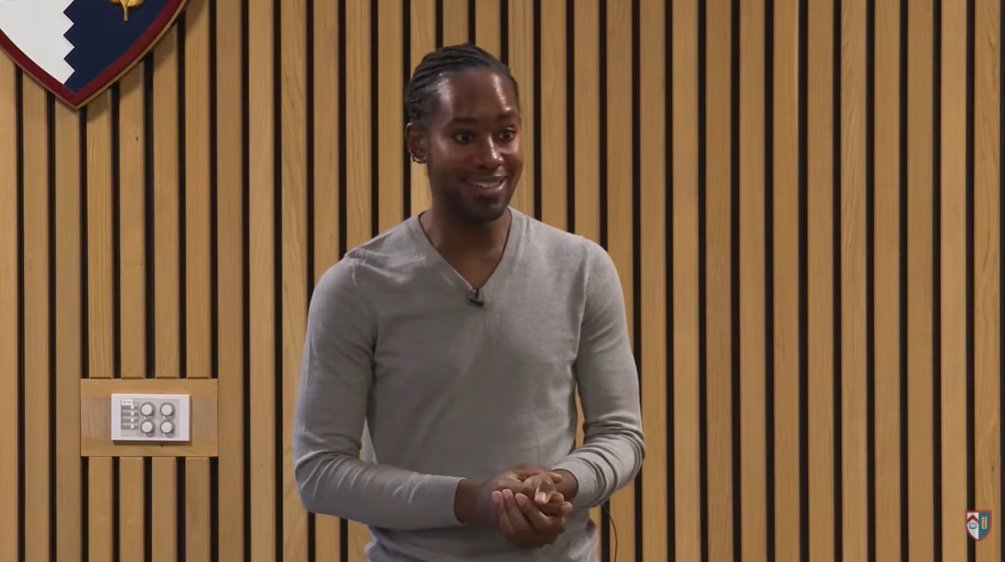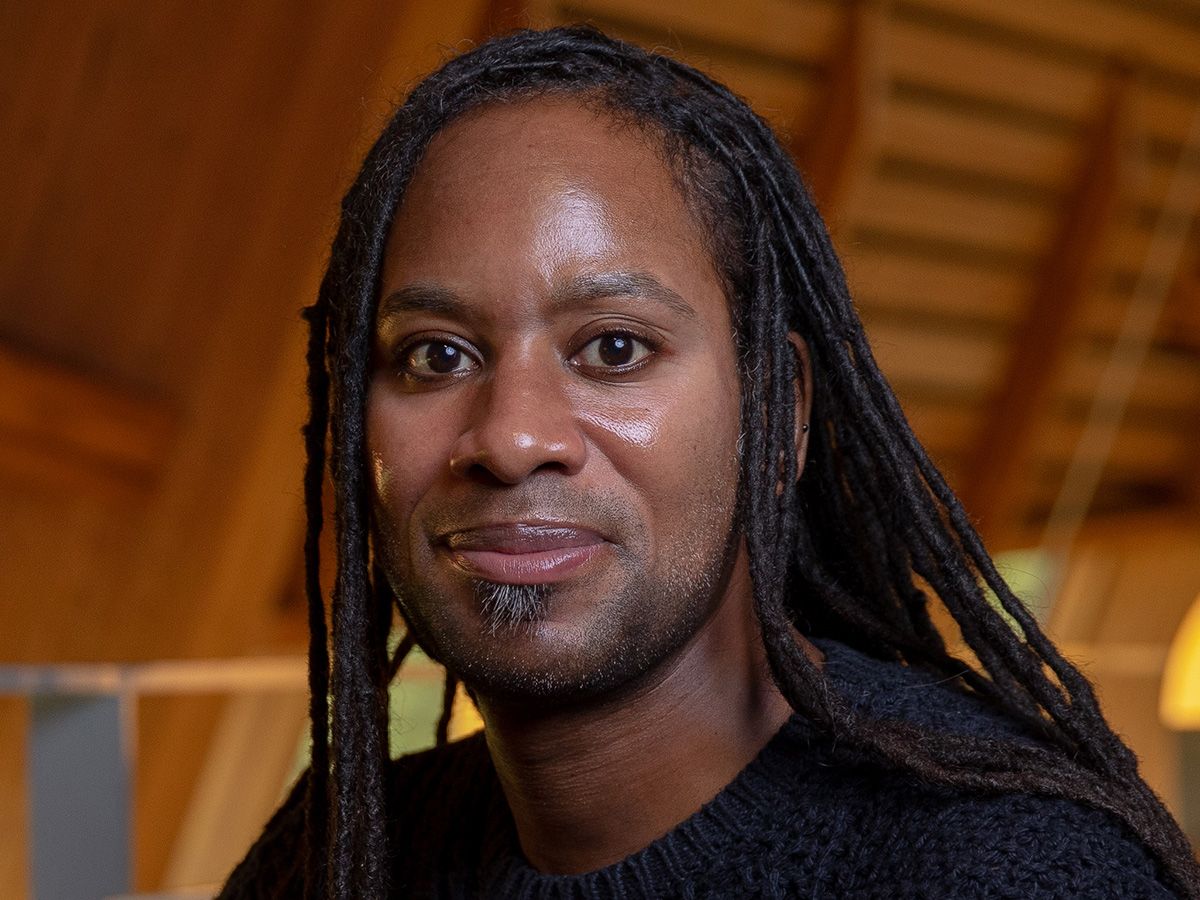
- Jason Arday's memoir goes on sale Tuesday, six days after he resigned from Cambridge as the university opened an investigation into his qualifications.
- In a statement, Arday said, “The relentless accusations, speculation and public commentary have taken a profound toll on me and on those I love,” adding that his decision to resign should not be mistaken for acceptance of the narratives around him.
- The prologue and first chapter are available on the publisher’s website. The Atlantic read the finished book and obtained a copy of his book proposal, stating that “the story that it tells should not be taken at face value; it differs notably from other versions of his life” that Arday has shared.
- Arday writes that he was 21 and on a relief mission in Brazil in 2006, where a woman translating for him told him he was destined to do great things and “destined for very sad and difficult things as well.”
- The Atlantic reported that Arday was a teenager when a group of boys attacked him, leaving him epileptic. He later encountered two of them in his class at a London university, where they had become coaches for at-risk youths.
- While working on his doctorate, Arday taught by day and worked multiple jobs, including stocking a supermarket overnight and cleaning in the morning, while commuting five hours each way to complete his 2015 thesis.
Jason Arday's memoir, released just days after his resignation from Cambridge, delves into his life marked by significant challenges, including a late diagnosis of autism and developmental delays. He became the youngest Black professor at Cambridge in 2023 but faced scrutiny over his qualifications, leading to his resignation on August 5.
Arday's memoir recounts his journey, including a traumatic childhood incident that left him epileptic. He reflects on a prophecy from a translator during a relief mission in Brazil, suggesting he was destined for both greatness and hardship. “The relentless accusations, speculation and public commentary have taken a profound toll on me and on those I love,” he stated, emphasizing that his resignation should not be seen as an acceptance of the narratives surrounding him.2
The Atlantic's review of the memoir indicates that it presents a narrative that diverges from previous accounts, including those shared in his original book proposal. “The story that it tells should not be taken at face value; it differs notably from other versions of his life,” wrote senior editor Daniel Engber. Arday's life story, including his struggles while pursuing his doctorate, paints a complex picture of resilience and determination amidst adversity.
While working on his doctorate, Arday juggled multiple jobs, including teaching and stocking shelves overnight, illustrating his dedication to education despite the challenges he faced. His memoir is a testament to his journey and the ongoing conversation about his qualifications and experiences.
“The Atlantic obtained Arday's book proposal and reports the memoir's prologue and first chapter are online. Arday wrote that a prophecy in Brazil in 2006 foretold his destiny, and he detailed a teenage assault that left him epileptic.”