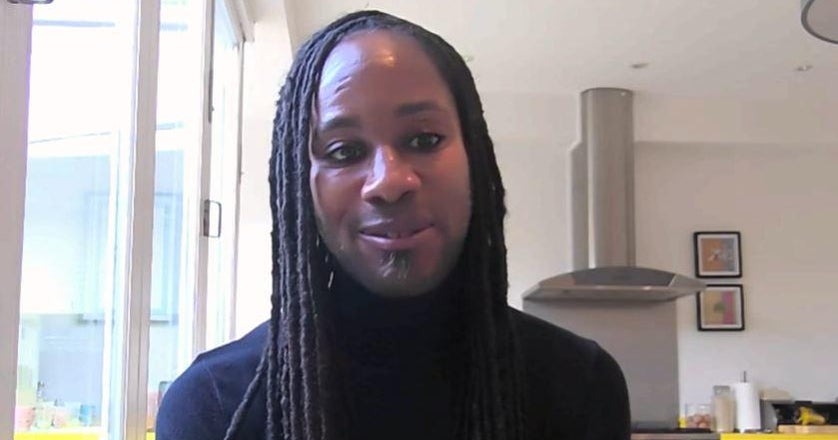
- Jason Arday, a former University of Cambridge professor who was at the centre of a plagiarism scandal, has died aged 41.
- Arday had resigned earlier this month as a professor of sociology of education following the accusations, which caused a furore in the world of academia.
- He was the university's youngest ever Black professor.
- Arday was found unresponsive by the ambulance service at a property in Battersea, south London.
- Sadly, a 41-year-old man was pronounced dead at the scene. His next-of-kin have been informed and are being supported by officers, the Metropolitan Police said.
- Tributes were paid by Cambridge's vice-chancellor, education secretary, and others, expressing their sadness over his death.
- The University of Cambridge announced an investigation earlier this week into the circumstances of Arday's appointment to the Faculty of Education in 2022 and his time there since.
- A high-profile professor who appeared frequently in the media, Arday faced accusations this year that parts of his 2015 PhD thesis were plagiarised, which he denied.
- The allegations expanded to include apparent inconsistencies in Arday's other academic work, and questions over his claims about his career, personal life and medical conditions.
- Supporters, including more than two dozen academics and politicians, described the plagiarism allegations as a smear campaign designed to undermine Arday and other Black people who hold positions of influence.
Jason Arday, a former professor at the University of Cambridge, was found dead at 41 in Battersea, London, following a tumultuous period marked by plagiarism allegations. Arday, who was the university's youngest Black professor, resigned earlier this month amid intense media scrutiny and public accusations.17
The Metropolitan Police reported that he was pronounced dead at the scene, with his death being treated as unexpected but not suspicious. His family expressed shock, stating, "The campaign of misinformation was too much for Jason, who was a gentle man and who always wanted to see the best in everyone."
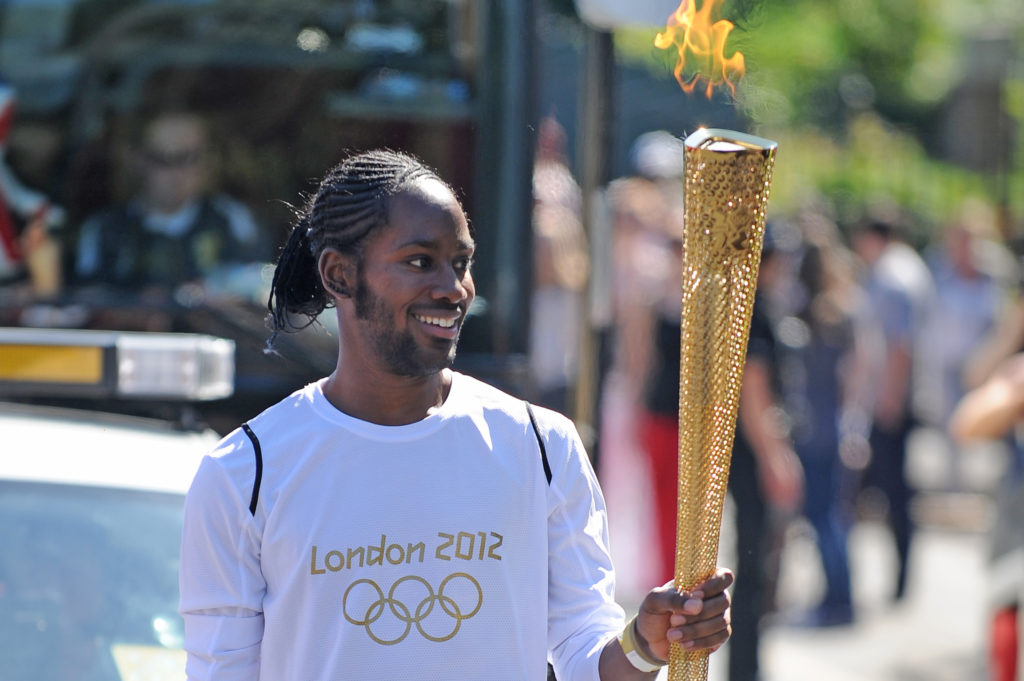
Arday faced accusations that parts of his 2015 PhD thesis were plagiarized, which he denied. The allegations expanded to include inconsistencies in his academic work and personal claims. In his resignation statement, he noted that the relentless accusations had taken a profound toll on him and his loved ones.89

Tributes poured in from various figures, including Cambridge Vice-Chancellor Deborah Prentice, who said, "Our heartfelt sympathies go to Jason Arday's family and friends at this incredibly difficult time." Education Secretary Lucy Powell also expressed her sadness, urging people to remember the human impact of such scrutiny.
Supporters described the allegations as a "smear campaign" aimed at undermining Arday, highlighting the unique challenges faced by Black academics in positions of influence. Professor Kehinde Andrews, a friend, noted that Arday felt trapped and was deeply affected by the public scrutiny, stating, "He was very upset. He felt that there was no way out."10
“Arday resigned last week after weeks of allegations about plagiarism and questions over his achievements, which he denied. His family said a 'campaign of misinformation' was too much for him, and police are treating his death as unexpected but not suspicious.”
 BBC
BBC