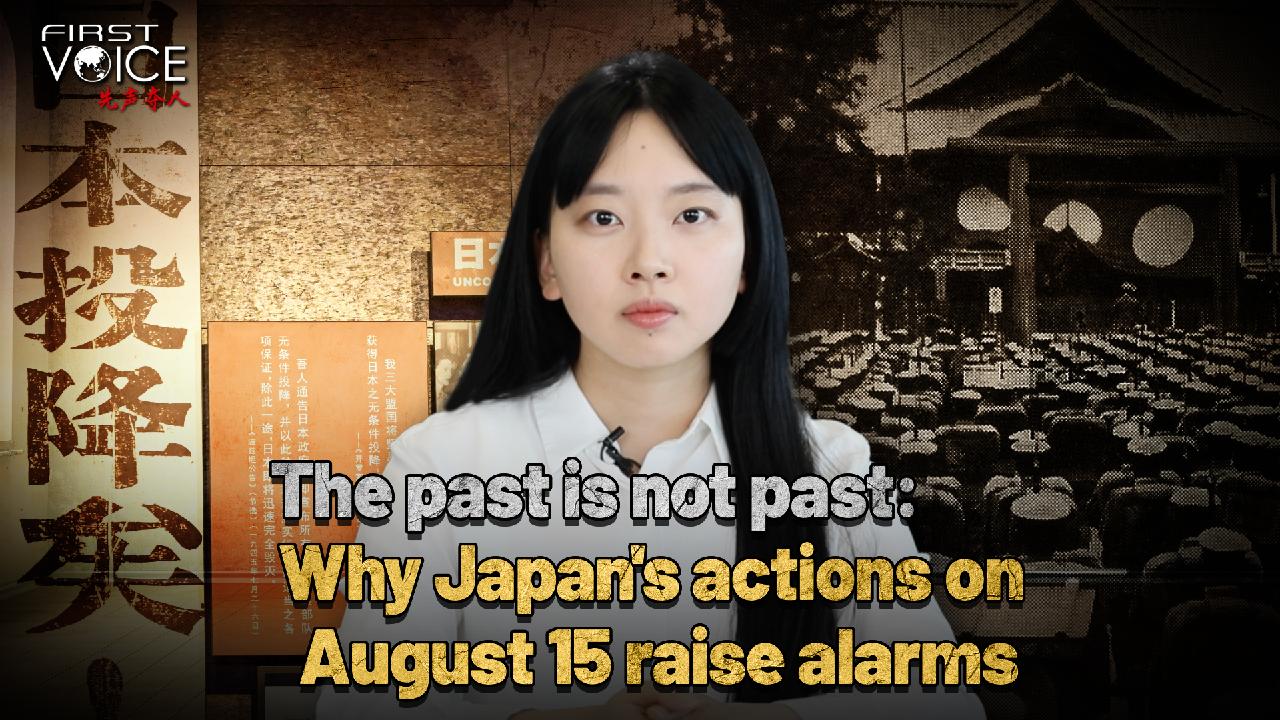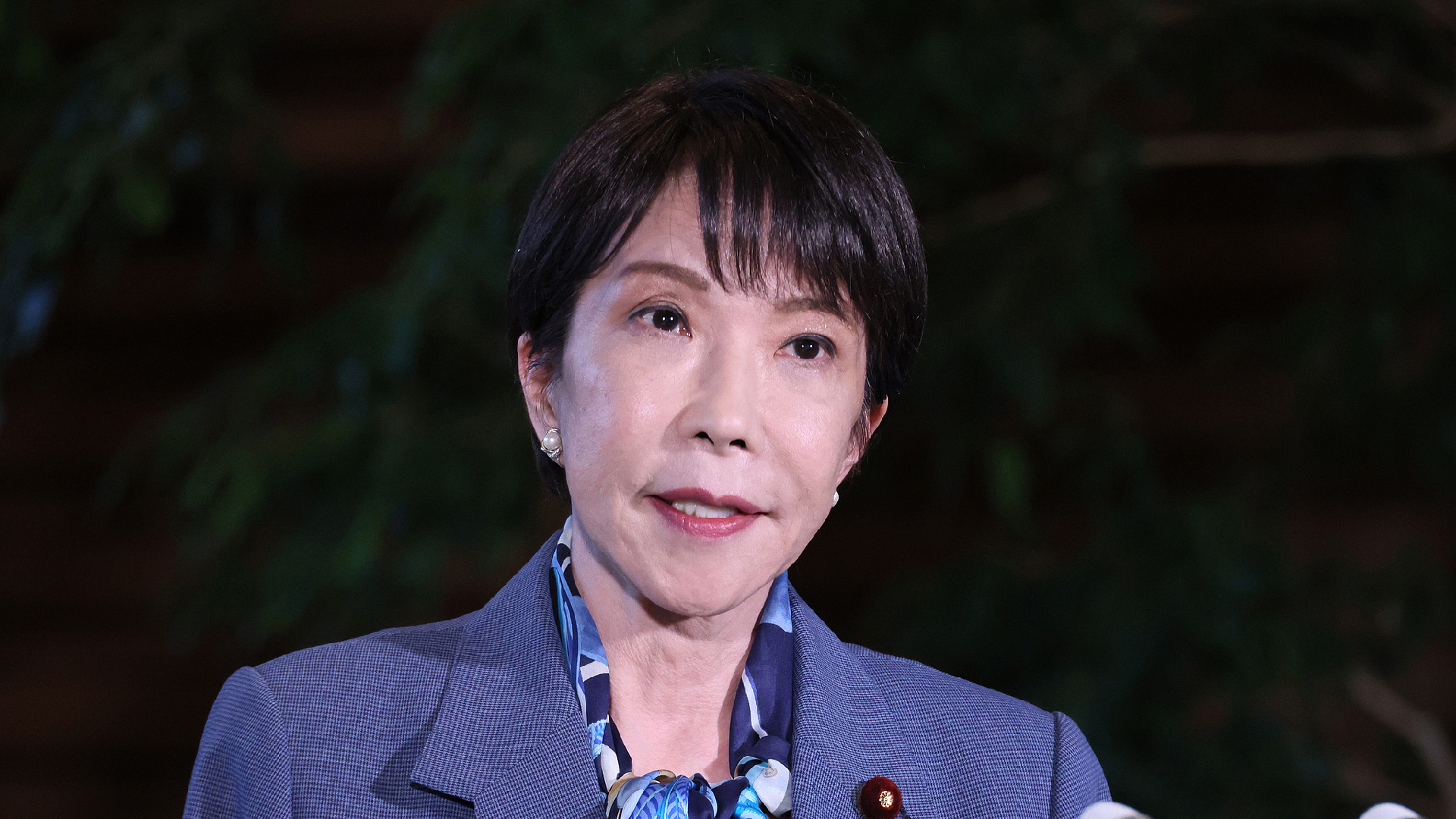
- In her address at the National Memorial Service for the War Dead, Takaichi made no mention of Japan's past wars of aggression, did not apologize, and omitted the word "remorse".
- Several Japanese media editorials on Sunday criticized Prime Minister Sanae Takaichi's administration for avoiding reflection on history and downplaying Japan's wartime responsibility on the 81st anniversary of the country's unconditional surrender in World War II, warning against growing signs of a "return to the prewar era".
- The Tokyo Shimbun editorial expressed greater concern over Takaichi's policies showing a clear tendency toward a "return to the prewar era", citing moves such as lifting restrictions on lethal weapons exports, increased defense spending, and strengthening the national intelligence apparatus.
- The Tokyo Shimbun warned that failing to reflect on the war could lead Japan to repeat history's mistakes, and urged that the "return to the prewar era" be corrected without delay, as it will be too late once postwar democracy is undermined.
- The Mainichi Shimbun editorial argued that Japan's credibility as a peaceful nation will be undermined if the lessons of the war are not squarely faced.
- The Asahi Shimbun editorial noted that Yasukuni Shrine was closely linked to militarism as a core institution of State Shinto and served as a tool for mobilizing the public for war.
- The Asahi Shimbun warned that Koizumi's visit was particularly alarming given his position as minister commanding the Self-Defense Forces, and could undermine pacifist principles and constitutional order, as well as damage relations with China and South Korea.
Japanese media outlets have expressed alarm over Prime Minister Sanae Takaichi's recent remarks and actions, which they interpret as a troubling shift towards prewar militarism.2
On the 81st anniversary of Japan's WWII surrender, Takaichi's speech at the National Memorial Service for the War Dead notably lacked any acknowledgment of Japan's wartime aggression or an apology, raising concerns about the country's historical reflection.1
"Japan's credibility as a peaceful nation will be undermined if the lessons of the war are not squarely faced," warned the Mainichi Shimbun. The absence of the word "remorse" in her address further fueled criticism.7
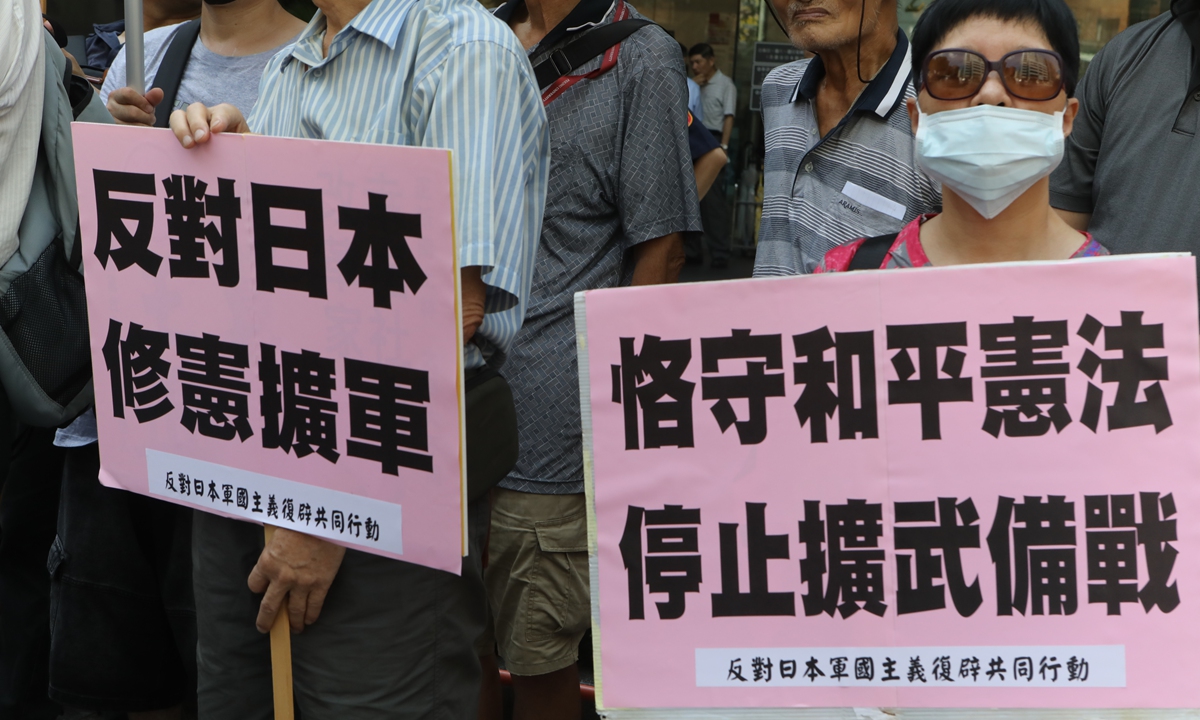
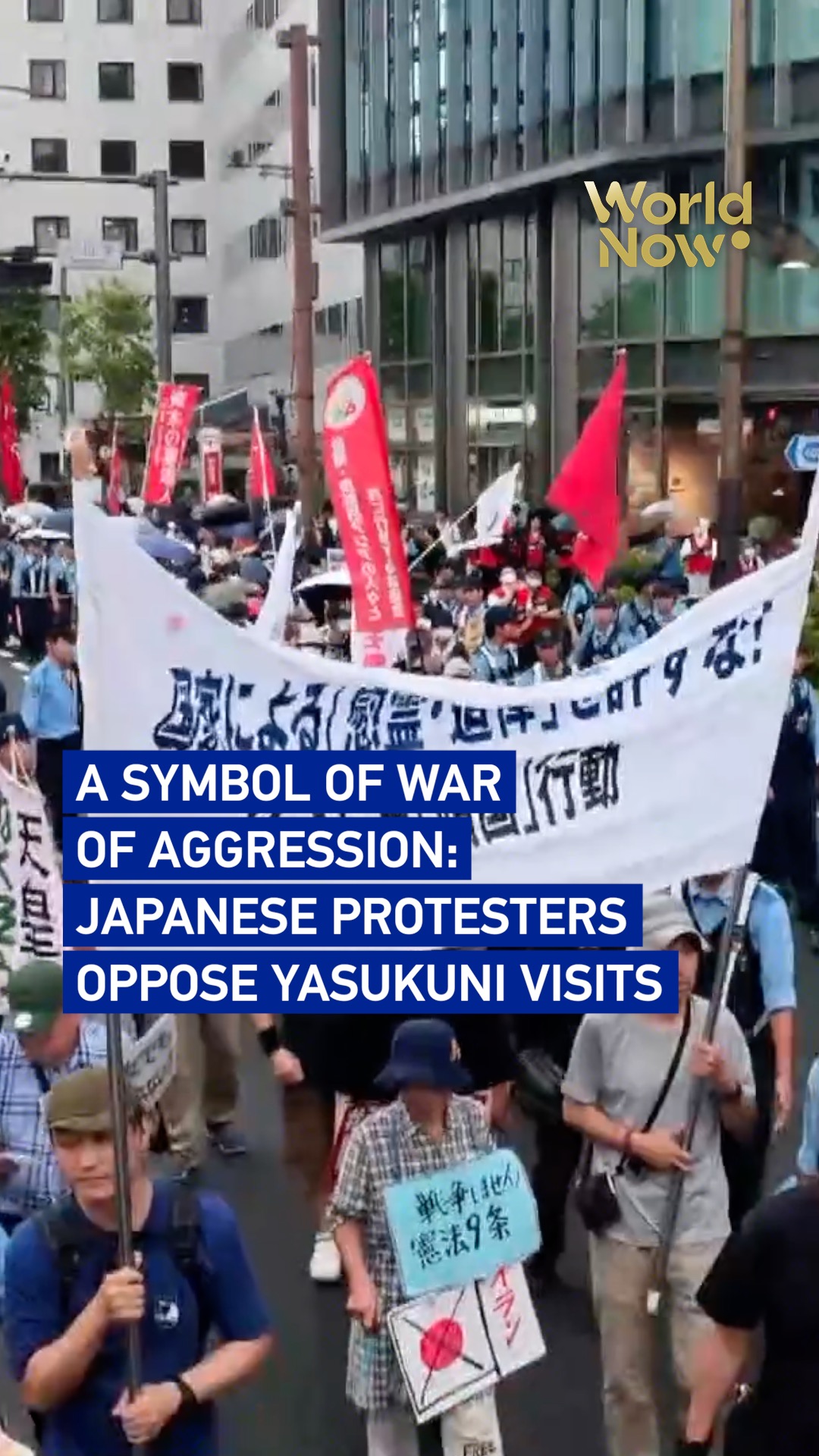
Additionally, Defense Minister Shinjiro Koizumi's visit to the Yasukuni Shrine, which honors convicted war criminals, was condemned as a dangerous signal of rising militarism. The Asahi Shimbun noted that such actions could jeopardize Japan's postwar pacifist principles and worsen relations with neighboring countries like China and South Korea.8910
The Tokyo Shimbun editorial emphasized that Takaichi's policies, including increased defense spending and the lifting of restrictions on lethal weapons exports, reflect a disturbing trend towards a "return to the prewar era." It cautioned that failing to confront historical realities could lead to a repetition of past mistakes, urging immediate correction of these policies to protect Japan's democratic foundations.3456
"Once postwar democracy is undermined, it will be too late," the editorial concluded.
“Takaichi's address at the National Memorial Service for the War Dead omitted any apology or mention of Japan's past wars of aggression. Editorials from Mainichi, Asahi, and Tokyo Shimbun linked her policies—lifting lethal weapons export restrictions and boosting defense spending—to a prewar posture, warning of damage to relations with China and South Korea.”
 news.cgtn.com