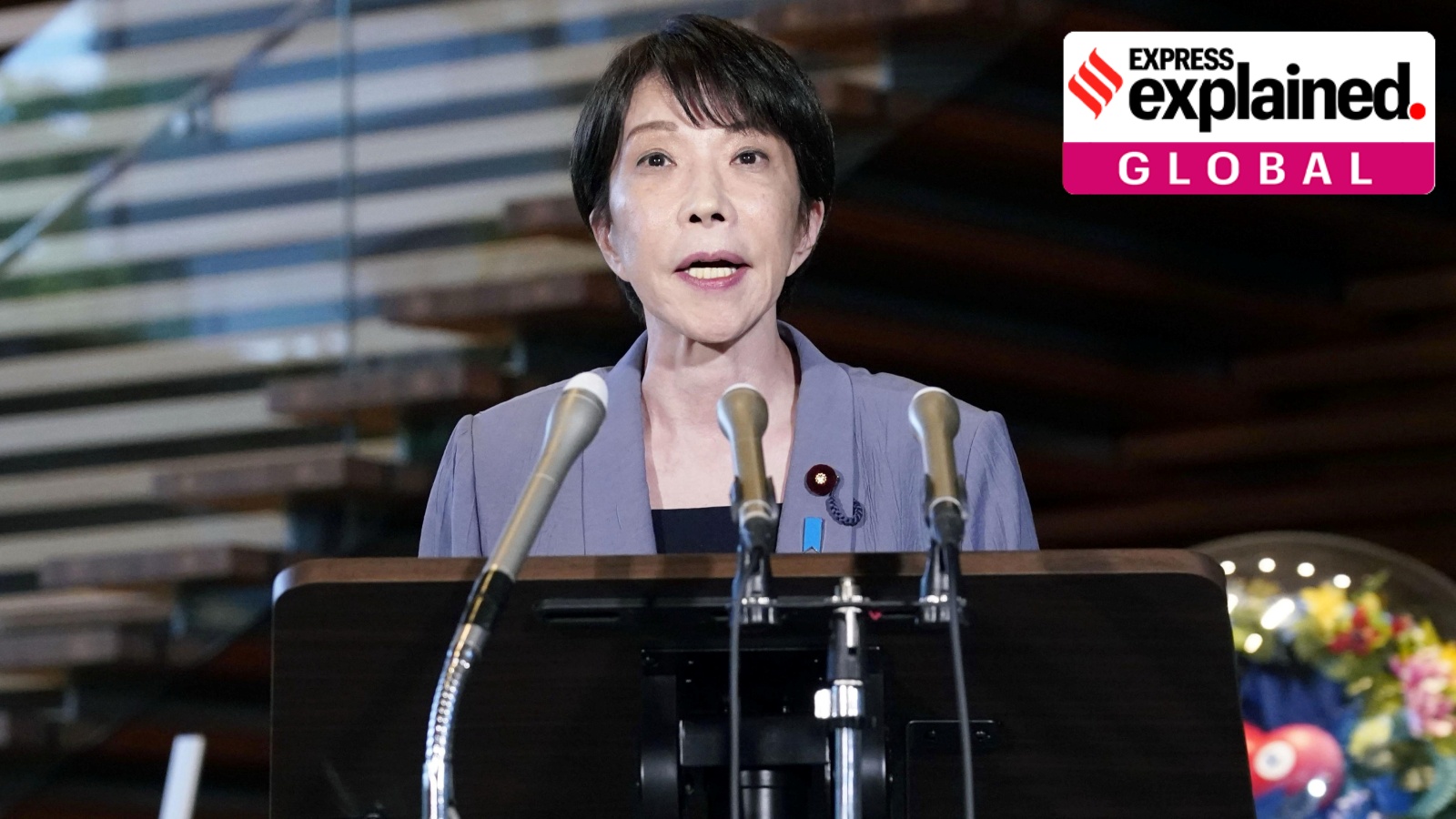
- Japan's upper house passed the secondary capital Bill on July 24, allowing the Prime Minister to designate a prefecture to serve vital government functions in case of a major disaster in Tokyo.
- Days ago, Japan passed the secondary capital Bill in the upper house of Parliament, reflecting the country's adaptation to frequent earthquakes.
- The earthquake on July 28 marks Japan’s eighth quake of 7+ magnitude in the last decade.
- Previous Bills for an alternative capital were rejected in 2015 and 2020, highlighting the challenges faced in establishing a secondary capital.
- Japan experiences an average of 2-3 earthquakes a day, with over 1,500 recorded in a single year due to its location at the collision of four tectonic plates.
- Osaka is seen as a leading candidate for the designation of the secondary capital, with discussions around its suitability ongoing.
- The Bill aims to enhance national resilience and economic stability in case of a disaster in Tokyo.
Japan's recent passage of the secondary capital Bill on July 24 marks a significant step in addressing the country's vulnerability to earthquakes. The legislation allows the Prime Minister to designate a prefecture to handle government functions if Tokyo is incapacitated by a disaster.
Osaka is currently viewed as a frontrunner for this designation, as discussions around decentralizing Tokyo's dominance in governance gain momentum.6
The Bill was narrowly approved by the National Diet, with a vote of 123 in favor and 121 against, reflecting the urgency of enhancing national resilience.7
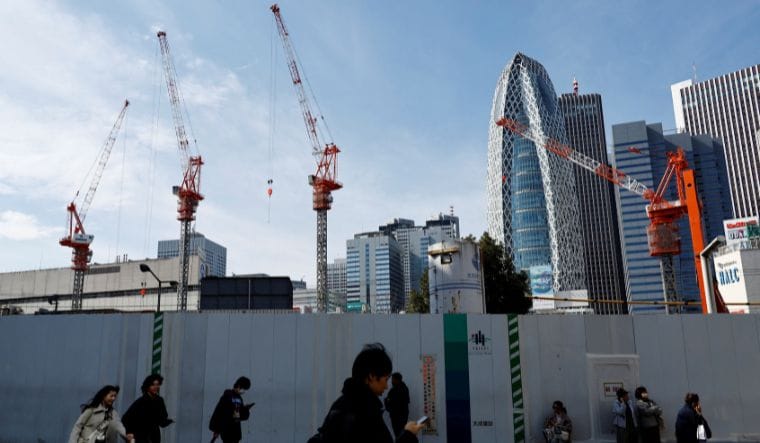
Japan experiences an average of 2-3 earthquakes daily, with over 1,500 recorded in a year, due to its location at the intersection of four tectonic plates. The government estimates a 70% chance of a major earthquake occurring in the Tokyo area within the next 30 years.5
The Act stipulates that selected prefectures must have adequate infrastructure and population to function effectively as a secondary capital. Additionally, it mandates the central government to develop transport facilities and promote economic deregulation to attract private investment.
Other regions like Fukuoka, Hokkaido, and Miyagi are also in consideration, but the focus remains on Osaka as the potential secondary capital, highlighting the need for a robust framework to ensure continuity of national functions during disasters.
“The legislation, passed on July 24, allows the Prime Minister to designate a prefecture to serve vital government functions in case of a disaster in Tokyo. With a 70% chance of a major earthquake in the Tokyo area within 30 years, the initiative aims to decentralize governance and bolster national stability.”
 The Indian Express
 theweek.in



