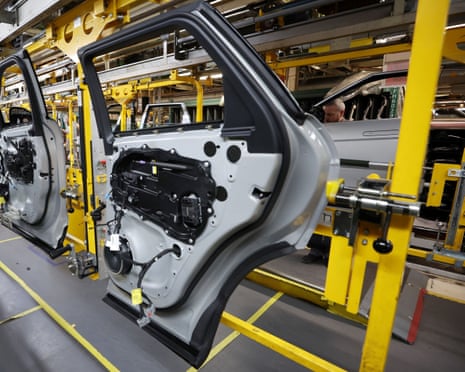
- Jaguar Land Rover (JLR) is to cut 4,000 jobs over the next two years as it struggles with Chinese competition, US tariffs, and the transition to electric vehicles.
- The job cuts will primarily affect white-collar roles at the head office in the UK.
- Voluntary redundancy applications are open until 4 October, but compulsory redundancies may occur if necessary.
- Affected staff will receive emails in the coming days regarding the job cuts.
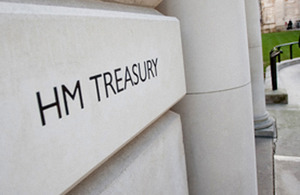
- Business Secretary Jonathan Reynolds ruled out any form of bailout for JLR amidst the job cuts.
- JLR's job cuts are part of a cost-cutting program aimed at achieving £1.7 billion in annual savings.
- The company has faced a significant decline in sales, with a 20% drop in revenue to £22.9 billion due to tariffs and a cyber-attack.
- Unions are set to hold talks regarding the job cuts, with calls for maximum support for affected workers.
- JLR's long-term issues have been exacerbated by a cyber-attack last year that halted production for over a month.
Jaguar Land Rover (JLR) is set to cut 4,000 jobs over the next two years, primarily affecting salaried and management roles, as it faces intense competition from China, US tariffs, and the transition to electric vehicles. The UK government has ruled out a bailout, stating that JLR's cost-cutting measures are necessary for competitiveness.15
The job cuts aim to achieve £1.7 billion in annual savings, with the company hoping to implement these reductions through voluntary redundancies. Chief executive PB Balaji emphasized the firm's commitment to supporting affected employees with care and respect during the process. “The automotive industry faces significant challenges, with technological change amidst intense competition and ongoing geo-political uncertainty,” he stated.6

JLR's struggles have been exacerbated by a cyber-attack last year that halted production for over a month, contributing to a 20% drop in sales to £22.9 billion. The company, which employs 43,000 people globally, is now focusing on regaining its footing in a market where it initially viewed China as a growth opportunity rather than a competitor. “JLR is as strategically important as it gets for the UK economy,” noted David Bailey, a business and economics professor at Birmingham University, highlighting the broader economic implications of the job losses.79
As JLR prepares to launch five new models, it remains optimistic about future growth despite the current challenges.
“The cuts target salaried and management roles, sparing most hourly factory workers, and aim to save £1.7bn annually. JLR's sales slumped by a fifth to £22.9bn in the year to March, with the cyberattack and tariffs as main causes.”
 The Guardian
 BBC
BBC




.jpeg)





