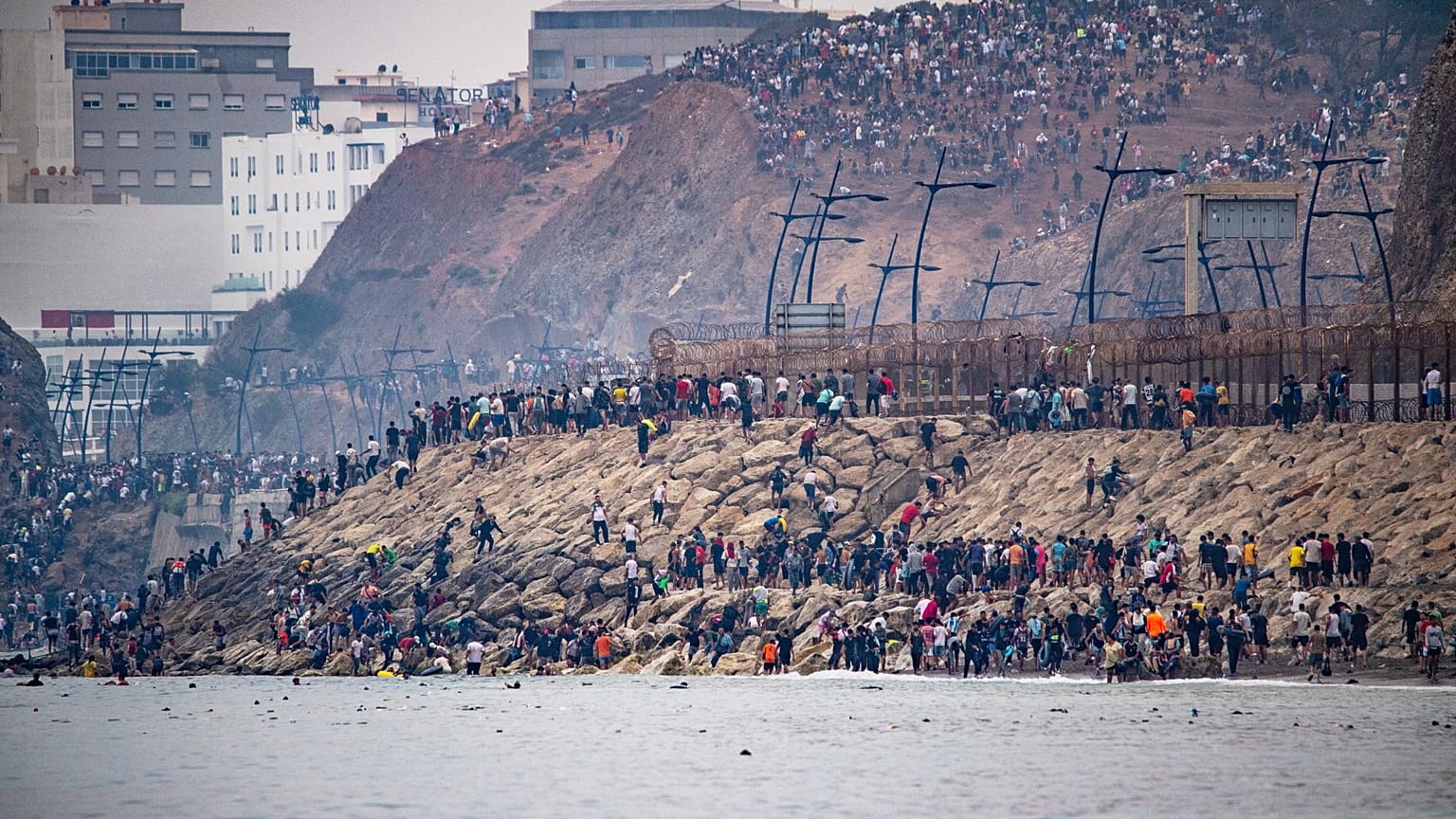
- On Thursday, migrants surged into the Spanish enclave of Ceuta.
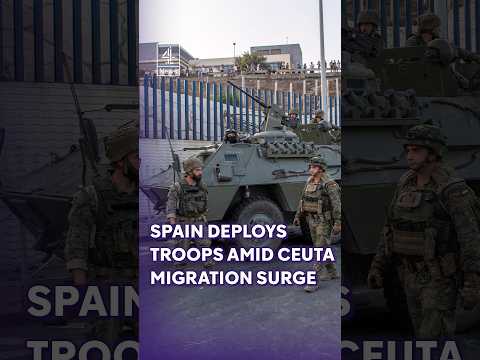
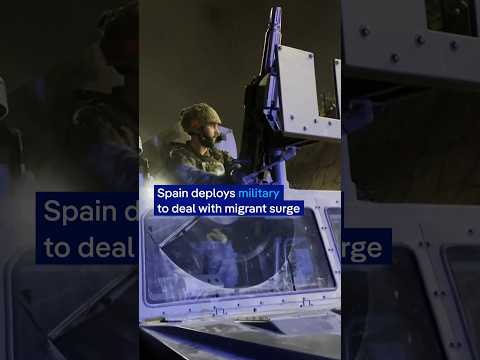
- In response to the migrant surge, Spain deployed the military to Ceuta.
- Spanish authorities reported that nearly half of those who entered Ceuta on Thursday have already voluntarily returned to Morocco.
- The European Commission stated on Friday that no irregular migrants have moved from Ceuta to the European mainland.
- Several EU countries, including Italy, Finland, and Denmark, accused the government of Spanish Prime Minister Pedro Sánchez of failing to adequately protect Europe's external borders.
- Although Ceuta is Spanish territory, it is subject to special free-movement rules; under the Schengen system, checks remain on people leaving Ceuta and Melilla because they are treated as the EU's external border.
- Schengen’s free-movement rules apply only to EU citizens, people with valid residence permits, and legal travellers; people who enter Ceuta without authorisation cannot board ferries or flights to mainland Spain without first undergoing identity checks.
- Asylum applicants are not permitted to leave Spain pending decisions and may be returned if found elsewhere in the European Union; only beneficiaries of international protection can move across Schengen, and Morocco is considered a “safe country of origin”.
- According to the EU Agency for Asylum, Moroccan citizens have a very low recognition rate (6%), so most of those who crossed into Ceuta are expected to receive return orders.
Spain has deployed military forces to Ceuta in response to a significant influx of migrants, as the European Commission emphasizes that those who entered irregularly will not be able to reach mainland Europe.46789101112
The Commission confirmed on Friday that no irregular migrants have moved from Ceuta to the European mainland, with an EU official stating, "There are no onward movements today towards the European continent." This assertion comes amid accusations from several EU countries, including Italy, Finland, and Denmark, that Spain has failed to adequately protect Europe’s external borders.5
Although Ceuta is Spanish territory, it operates under special rules that restrict free movement.
A European Commission official noted, "Checks on people leaving Ceuta and Melilla remain in place under the Schengen system. For this purpose, they are treated as the EU's external border." Migrants who enter Ceuta without authorization face significant barriers to leaving, as they cannot board ferries or flights to mainland Spain without undergoing identity checks.
Pending asylum claims prevent these individuals from leaving Spain, and they risk being returned if found elsewhere in the EU.
The EU Agency for Asylum reports that Moroccan citizens have a very low recognition rate (6%), indicating that most migrants who crossed into Ceuta are likely to receive return orders. According to Spanish authorities, nearly half of the people who entered Ceuta on Thursday have already voluntarily returned to Morocco.13
“An EU official reported "no onward movements today towards the European continent," while Italy, Finland and Denmark accused Spain's government of failing to protect Europe's external borders. Nearly half of Thursday's arrivals have already voluntarily returned to Morocco, and 6% Moroccan asylum recognition means most face return orders.”



 Euronews.com