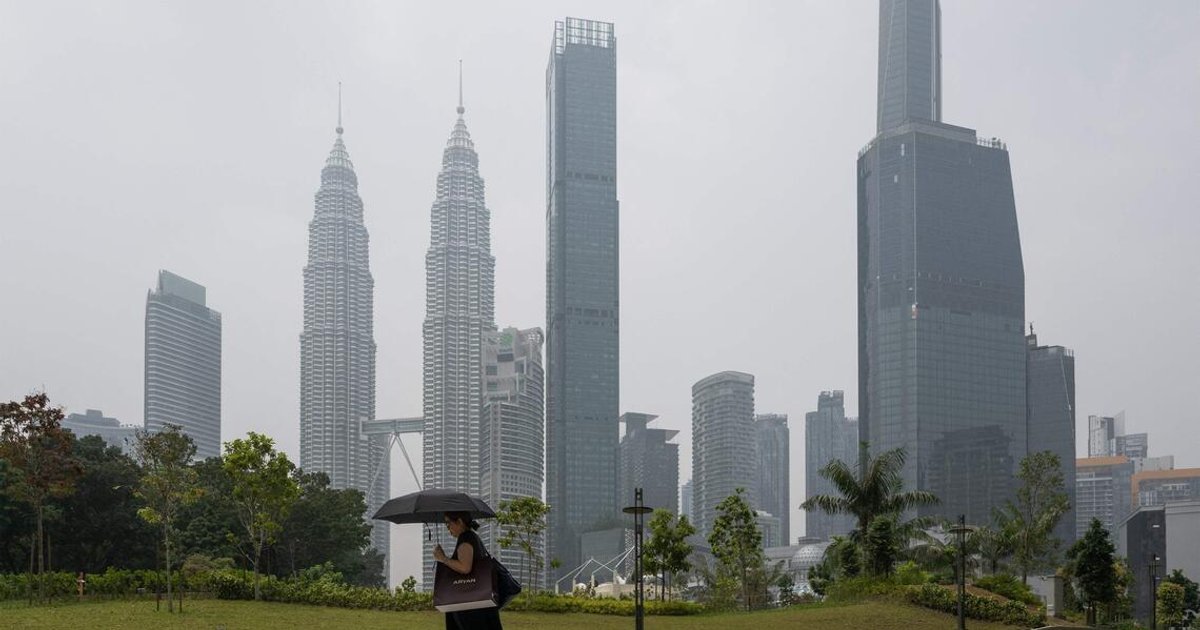
- Fires have been burning across Indonesia, particularly in Central Kalimantan, where peatlands are smouldering underground, contributing to a severe haze crisis affecting the region.
- The haze has blanketed parts of Indonesia, Malaysia, Singapore, and the Philippines for weeks, causing tens of thousands to fall ill in Indonesia alone.
- Singapore has issued legal notices to 10 companies over fires on their land in Indonesia, ordering them to halt burning and provide plans to extinguish the fires.
- Singapore Prime Minister Lawrence Wong stated that the government will pursue all available legal avenues to hold those responsible for the fires accountable.
- Indonesia's communications chief defended the country, claiming it sends oxygen when there is no haze, but this was met with disappointment from Singapore's Senior Minister K Shanmugam.
- Indonesia's weather agency reported a shorter rainy season starting in November, a month later than previously forecast, which may delay relief from the fires.
- Health officials have reported approximately a 25% spike in respiratory cases in recent months attributed to the fires and haze.
- In Malaysia's Johor, schools will remain closed for a second week due to asthma and respiratory cases increasing by 20%.
- The economic cost of this year's smog is expected to exceed the $20 billion losses from the 2015 crisis, which was one of the worst haze crises in the region.

Toxic haze from burning peatlands in Indonesia's Central Kalimantan has enveloped Singapore and Malaysia, leading to a public health crisis and economic repercussions. The haze has persisted for weeks, affecting air quality and visibility across the region.12
In Indonesia, tens of thousands have fallen ill due to the haze, with health officials reporting a 25% spike in respiratory cases. Visibility in affected areas is severely limited, with reports of smoke so thick that it obscures the sun, described as a dimly lit circular object in the sky.8
The fires, fueled by an unusually strong El Niño, have raised concerns among neighboring countries. Singapore has issued legal notices to ten companies believed to be responsible for the fires, demanding they cease burning activities and provide plans to extinguish the flames. Singapore's Prime Minister Lawrence Wong emphasized the government's determination to hold those accountable.34

The economic impact of this year's haze is projected to exceed that of the 2015 crisis, which cost the region approximately $20 billion. The ongoing haze has already led to school closures in Malaysia's Johor state, where pollutant levels remain concerning, and respiratory infections have surged by 20% in recent weeks.
As the fires continue, residents are left to cope with hazardous air quality, with Banjarmasin recording levels of 569 on air quality indices, far exceeding the unhealthy threshold of 100. The situation remains dire as the region awaits the delayed rainy season to bring relief.
“Singapore has issued legal notices to 10 companies over fires on their land, with PM Lawrence Wong vowing to pursue all legal avenues. Meanwhile, health officials report a 25% spike in respiratory cases, and Malaysia's Johor schools stay closed as pollution levels remain concerning.”
BBC