- President Isaac Herzog received the official results from the Central Election Committee on Wednesday and began consultations with political parties on whom to task with forming a new coalition government, after last week's general election he said had no clear winner.
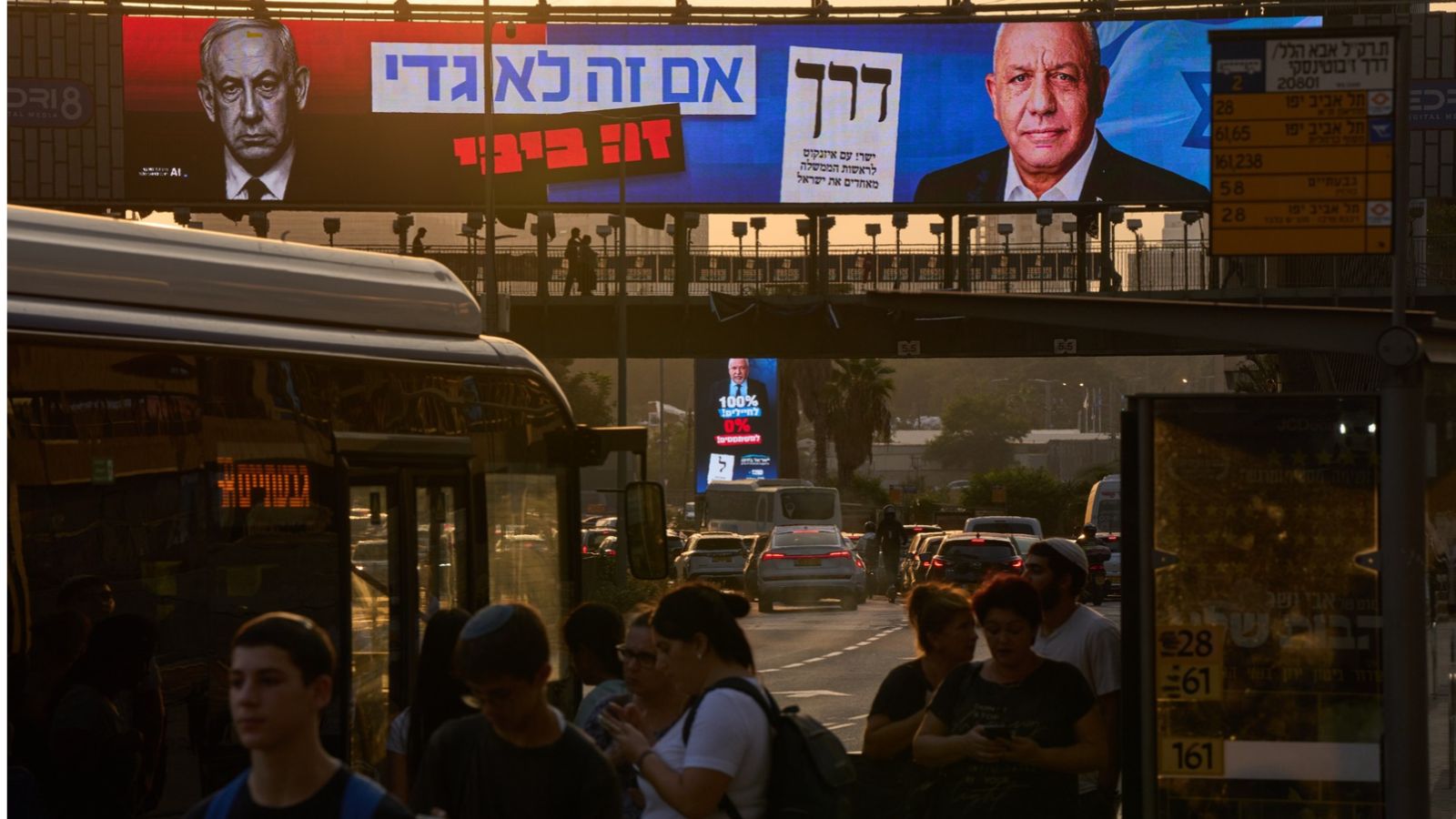
- In the election on 27 October, Netanyahu's right-wing Likud party and its far-right and ultra-Orthodox Jewish allies won 53 seats in the 120-seat Knesset, while Eisenkot's centrist Yashar party and three other Jewish opposition parties in his bloc won 48, leaving no clear majority.
- With neither bloc holding a majority in the 120-seat parliament after the October 27 vote, Mr. Herzog said both sides needed to accept that not every commitment and promise can be fulfilled and to avoid new elections.
- Mr. Netanyahu pointed to serious suspicions that foreign states have spent considerable sums to influence the outcome of the elections in Israel .
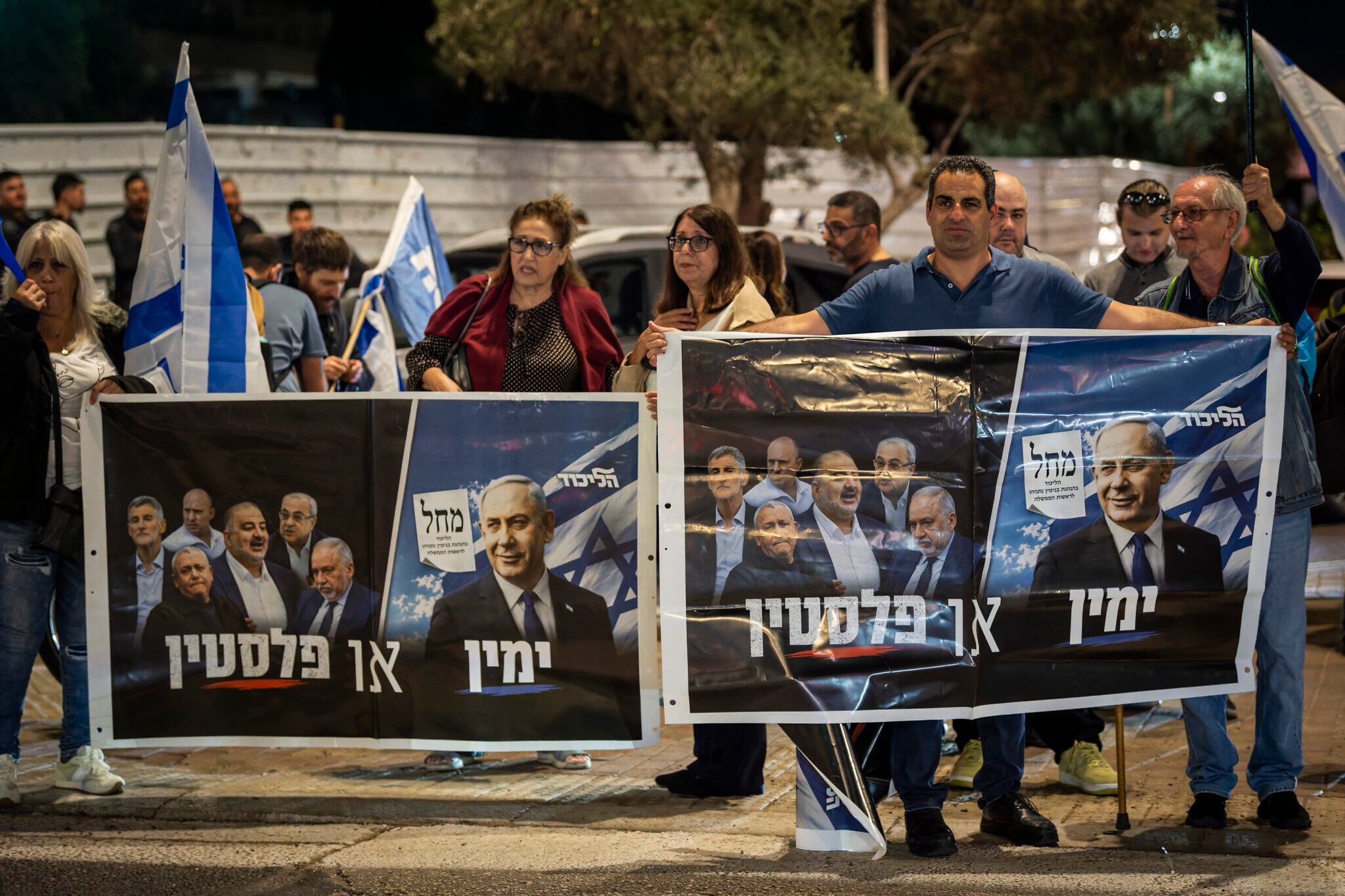
- Electoral officials said there was no evidence of irregularities and that unsubstantiated claims by Netanyahu's camp of Arab-led parties "stealing" the election did not justify delaying the results' certification.
- The Shin Bet security service is investigating allegations of foreign interference, but the head of the Central Elections Committee stressed they would not fundamentally change the outcome.
- Mr. Eisenkot accused the Prime Minister of trying to undermine Israeli democracy and inflame sentiment against elected officials.
- President Herzog condemned racist expressions and warned that Arab Israelis "must not be smeared", saying "I condemn the coarseness and racist expressions that we have heard recently. There is no place for them toward any community in Israel."
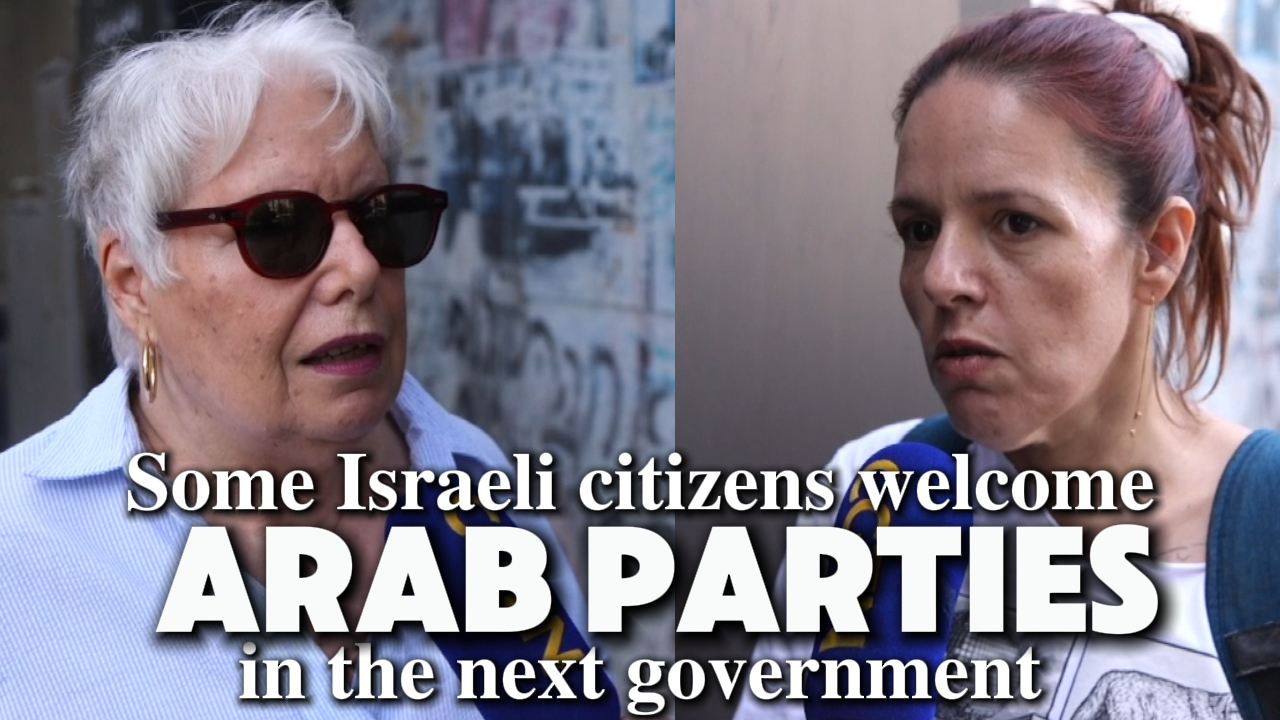
- Two Arab-led alliances, the United Arab List and the Joint List, together won an unprecedented 19 seats following a surge in turnout among Arab voters, making them potential kingmakers, but all but one of the Jewish parties pledged before the polls not to work with them to form a government.
- The Central Elections Committee said it had conducted an audit of 9,069 polling stations following complaints and found no evidence that would question the results’ integrity.

Israeli President Isaac Herzog has commenced coalition consultations after the October 27 election yielded no clear winner, with Prime Minister Benjamin Netanyahu's Likud party securing 53 seats and Gadi Eisenkot's bloc obtaining 48 seats in the 120-seat Knesset.123
Netanyahu has accused foreign states of attempting to influence the election results, stating there are serious suspicions regarding foreign interference. Despite these claims, the Central Elections Committee found no evidence to support allegations of irregularities, affirming the integrity of the election results.14
President Herzog emphasized the need for compromise, urging party leaders to recognize that not every promise can be fulfilled in the current political landscape. He stated, “In the current reality, in which there is no clear winner after the elections, I ask for originality and creativity, courage and goodwill, so that the State of Israel emerges the winner.”

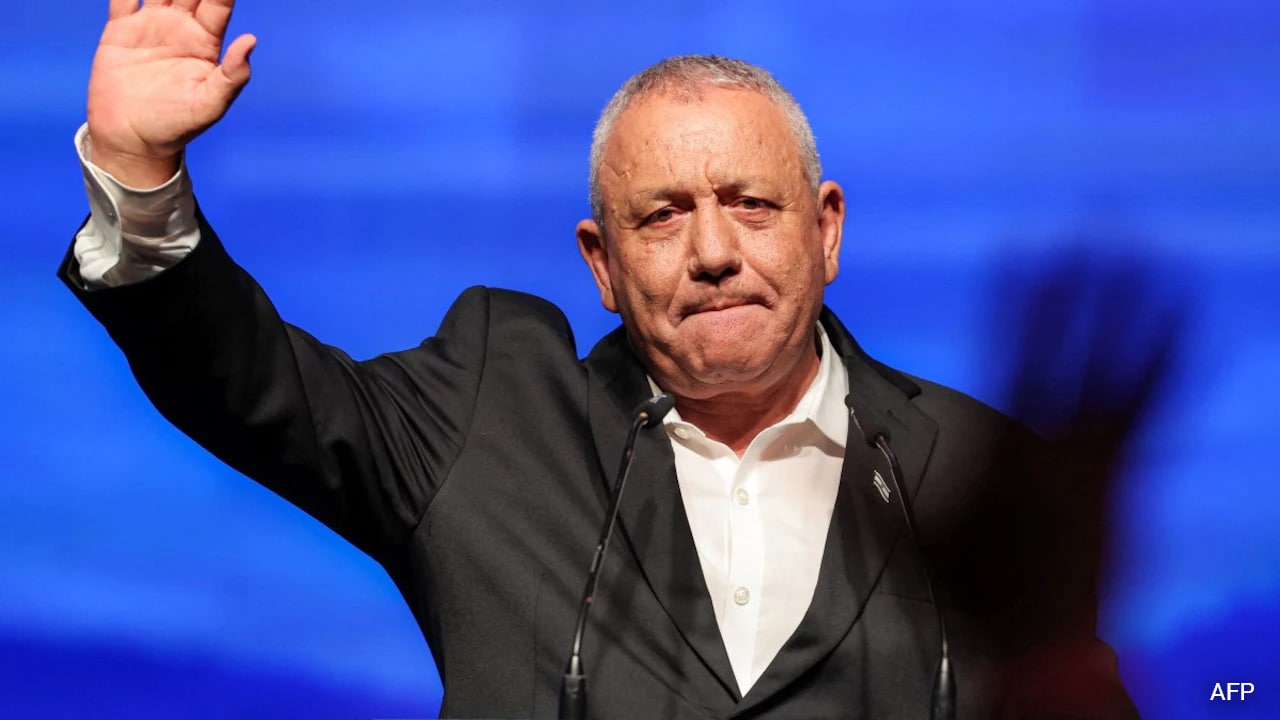
Eisenkot, who has garnered support from Arab parties, criticized Netanyahu's approach, asserting that he would not allow Israel to descend into a “dark abyss” of undemocratic practices. He aims to strengthen ties with the U.S. and stabilize the region, stating, “I look forward to working closely and constructively with President Trump.”6
As Herzog navigates these consultations, the political landscape remains fraught with tension, particularly regarding the role of Arab parties, which have emerged as potential kingmakers despite widespread reluctance from Jewish parties to collaborate with them.
“Likud's bloc won 53 seats versus Eisenkot's 48, but Arab-led parties took 19, making them potential kingmakers despite Jewish parties' pre-election pledge to exclude them. Meanwhile, the Shin Bet investigates foreign interference claims, and the Central Elections Committee audited 9,069 polling stations, finding no evidence questioning integrity.”
BBC