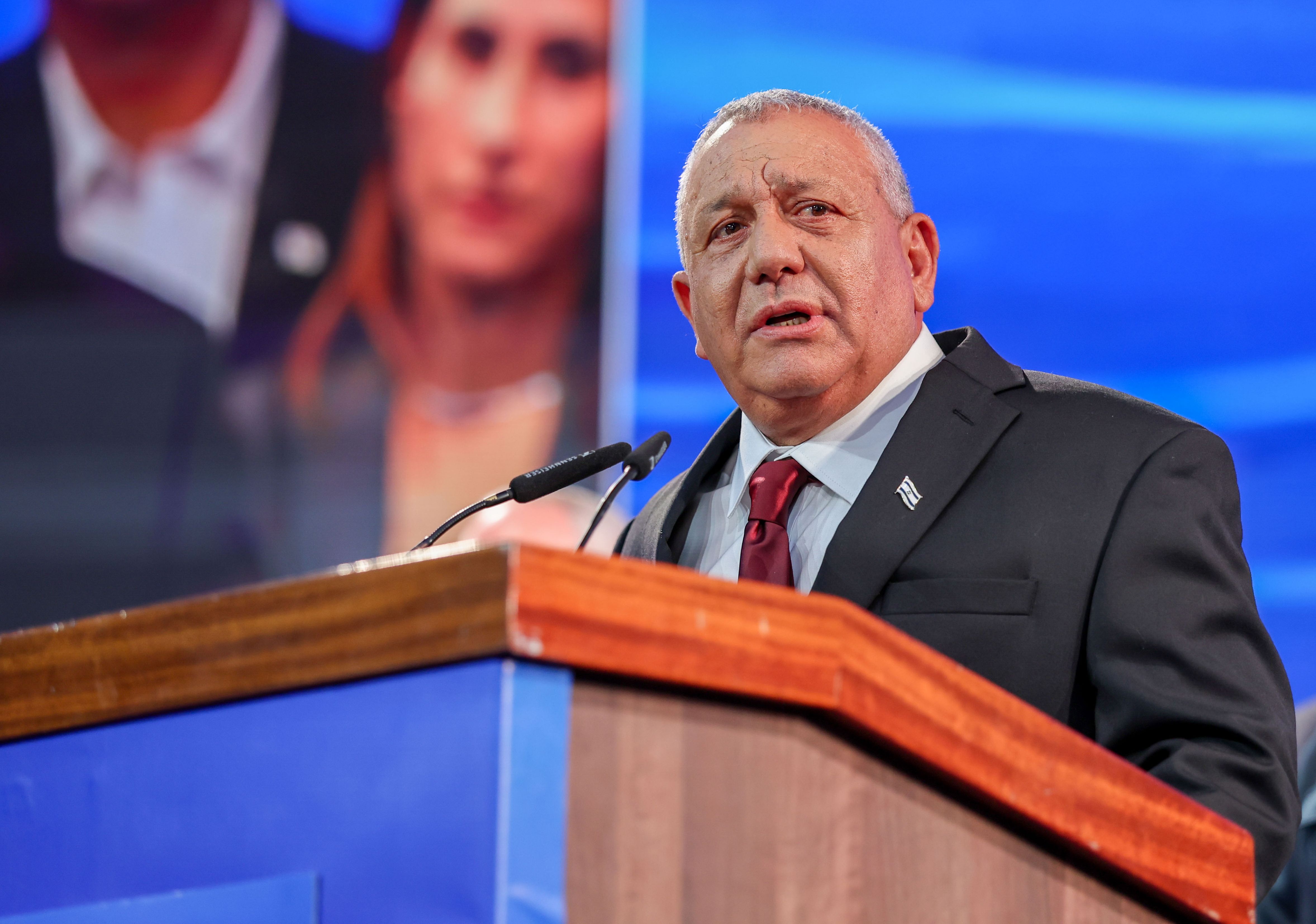
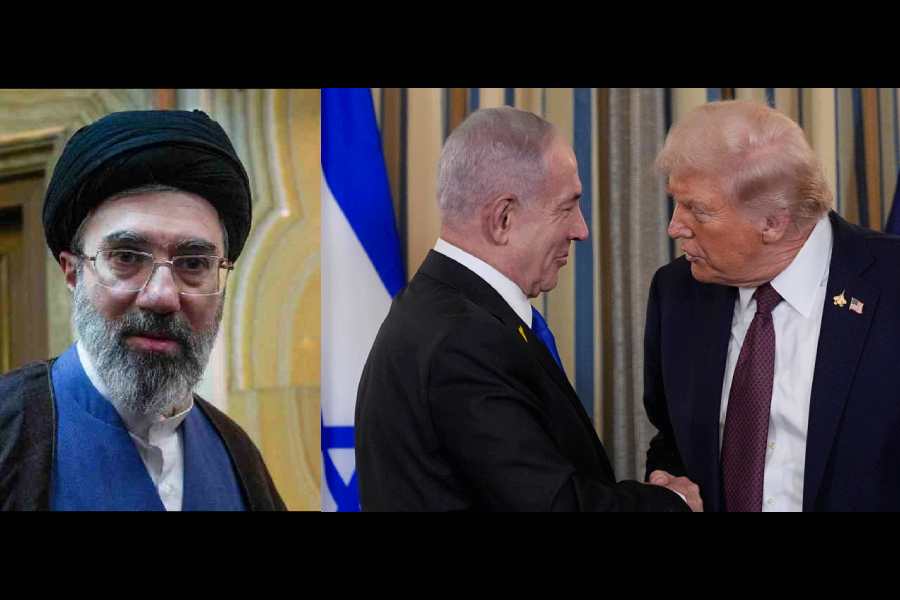
- Netanyahu's Likud was the single largest party with 27 seats, but his allies together won only 53, a steep fall from the 68 his coalition held in the outgoing Knesset. Eisenkot's Yashar won 21 seats, the most in the opposition's Jewish-majority camp.
- Opposition leaders issued a joint statement backing Eisenkot to replace the '7/10 government' with a 'national emergency government', described as a 'Zionist' government based on four principles set out by Eisenkot.
- Yair Golan said his party would back Eisenkot 'with all its might' to form a government as soon as possible, insisting that the majority 'is in our hands'.
- Election authorities rejected calls to overturn the outcome; committee chairman Justice Noam Sohlberg said the election was properly held and reflects the voters' choice.
- The Joint List won 11 seats and Ra'am won eight, giving them 19 seats and considerable leverage. On paper, adding those to the opposition's 48 gives a bloc of 67, above the 61-seat threshold.
- Former IDF chief of staff Eisenkot brings a security résumé that could help the opposition present itself as credible on national security, governance and accountability, especially given the Hamas attack of October 7, 2023 and the subsequent war in Gaza loomed over the campaign.
Israel's opposition bloc has rallied behind former IDF chief Gadi Eisenkot to form a new government, aiming to establish a 'national emergency government' to replace what they term the '7/10 government' led by Benjamin Netanyahu.45
In a meeting in Herzliya, opposition leaders agreed to recommend Eisenkot to President Isaac Herzog as their top choice for leading Israel's 38th government. They emphasized their commitment to a joint action plan for the newly elected 26th Knesset, reflecting the voters' clear demand for change following the October 27 elections, which resulted in a hung Knesset.
The election saw Netanyahu's Likud party emerge as the largest with 27 seats, but his coalition allies secured only 53 seats, a significant drop from the 68 seats held previously. Eisenkot's party, Yashar, won 21 seats, bolstering his position as a credible leader for the opposition.123
Eisenkot has called for immediate action, stating, “The majority is in our hands” and urging the public to demand accountability from elected officials. The opposition, with the support of the Joint List and Ra'am, could form a bloc of 67 seats, surpassing the 61-seat threshold needed for a majority.1011
The backdrop of the October 7 Hamas attack and the ongoing conflict in Gaza adds urgency to the opposition's push for a government that prioritizes national security and governance.
Election authorities have confirmed the legitimacy of the election results, dismissing calls to overturn the outcome, with committee chairman Justice Noam Sohlberg stating that the election reflects the voters' choice.89
“Eisenkot's Yashar won 21 seats, the most in the opposition camp, while Netanyahu's allies dropped to 53 seats from 68. The opposition bloc, with Joint List and Ra'am, could reach 67 seats, above the 61-seat threshold, though election authorities rejected calls to overturn the result.”