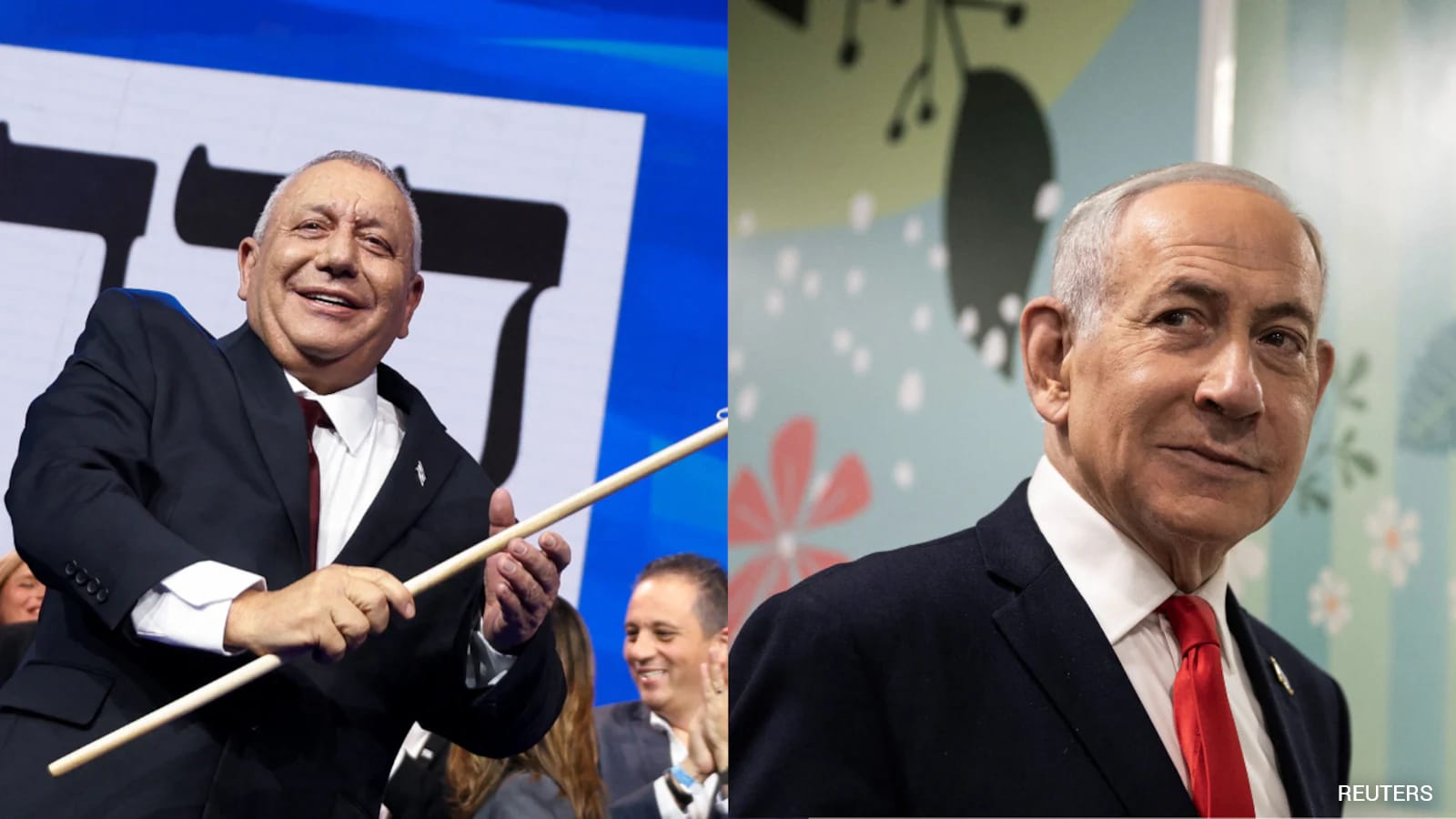
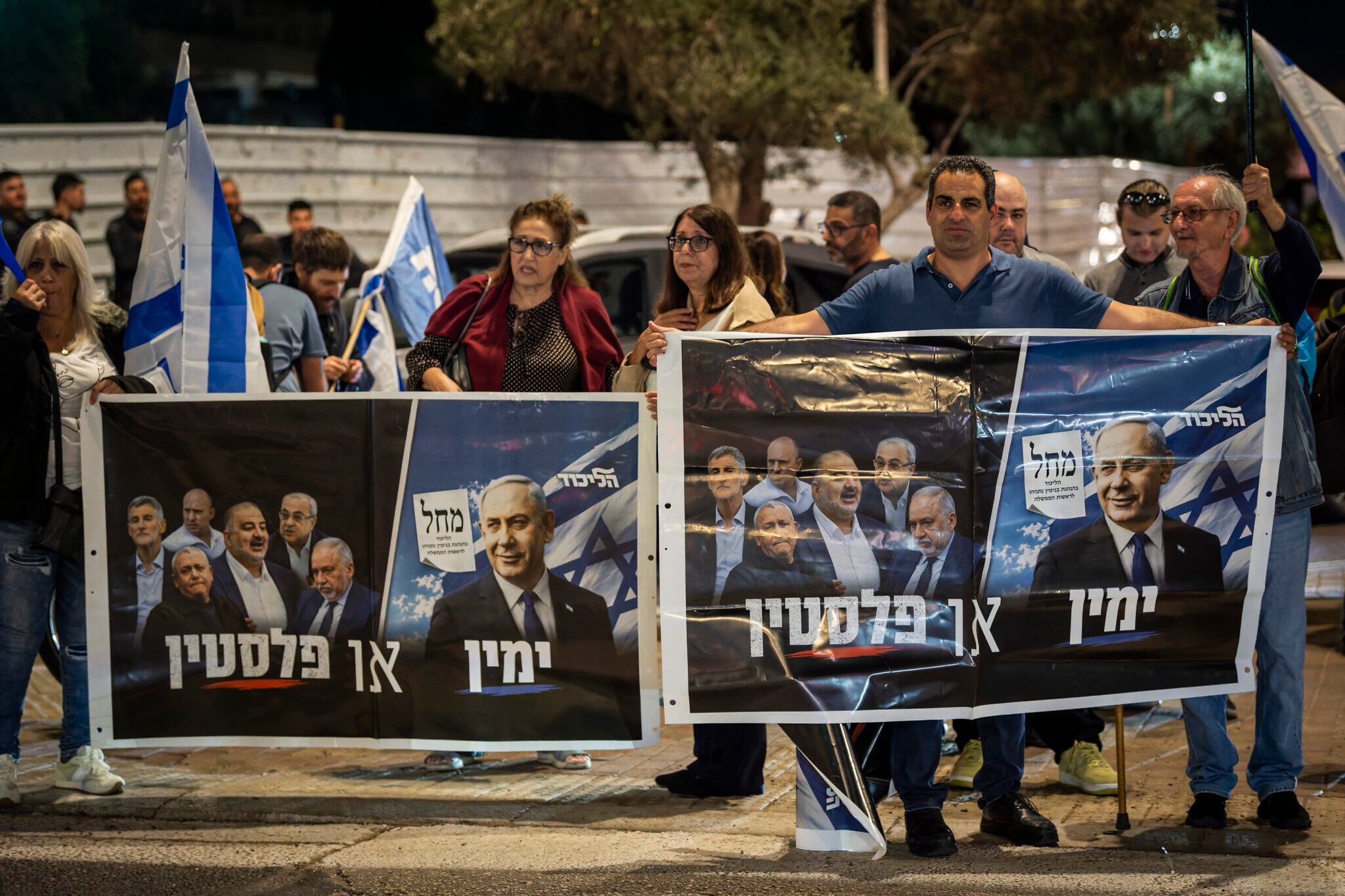
- Eisenkot defeated Netanyahu 67 to 46 in Knesset seat recommendations, giving his camp what they see as a mandate to pursue full-on regime change.
- With 67 MKs recommending that Herzog give him the first chance to build a coalition, Eisenkot has momentum on his side, but only 48 are actually prepared to ally with each other without caveats.
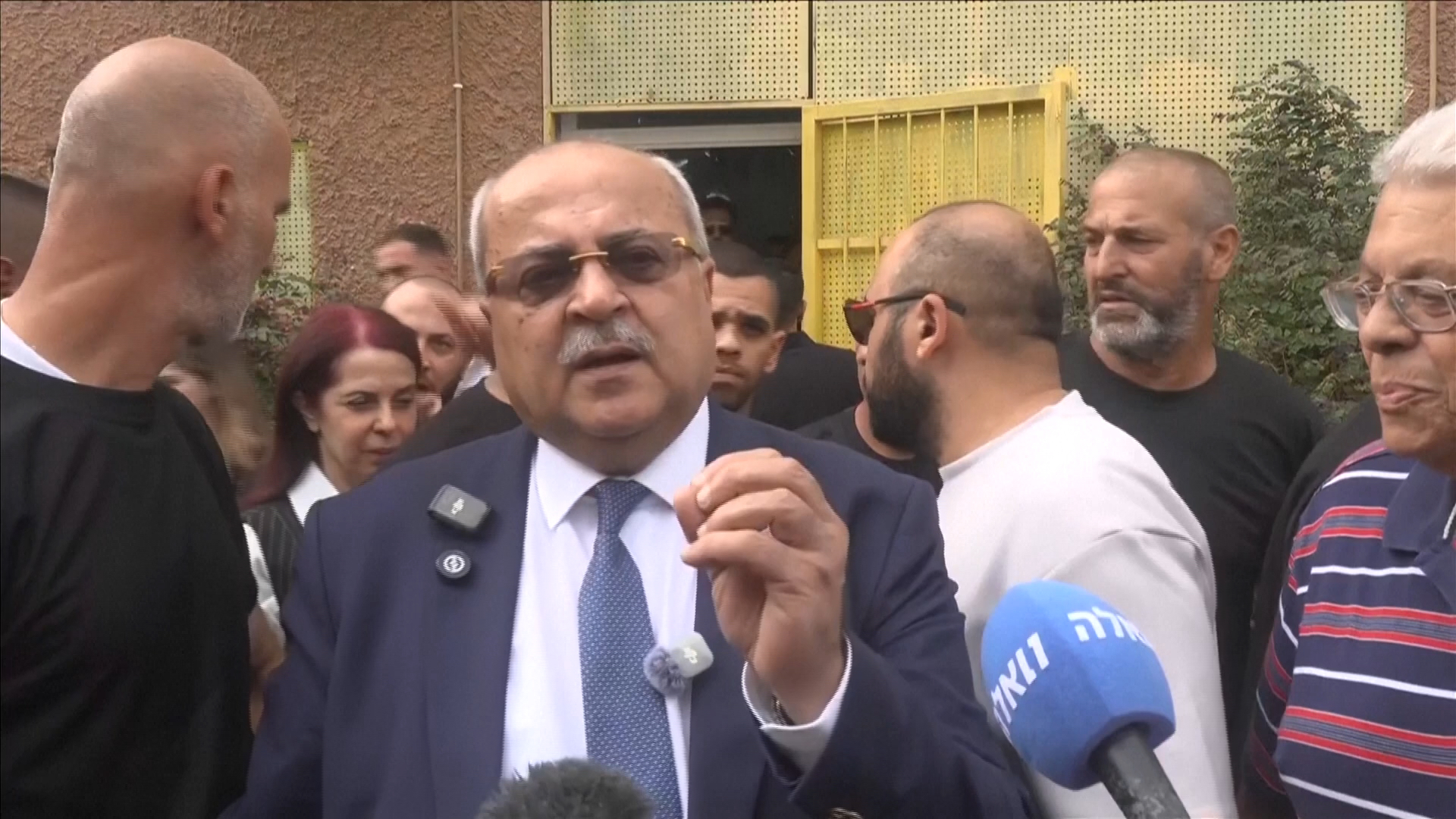
- The Joint List's surprise announcement asking Herzog to nominate Eisenkot, after previously indicating it could abstain, was a clincher for him to get the mandate.
- United Torah Judaism (UTJ) became the election's lone free agent by refusing to recommend Netanyahu to Herzog, signaling possible willingness to switch teams for the right price.
- The 67-46 tally is more theoretical than actual, as neither the Joint List nor UTJ have said they will support an Eisenkot-led government.
- The real work for Eisenkot starts now, with only a few weeks until his presumed mandate expires, and his main challenge is growing the 48 figure without subtracting others.
- It's hard to imagine the hawkish, right-wing Yisrael Beytenu agreeing to a coalition that relies on support from the Arab parties Joint List and Ra’am, a scenario Avigdor Liberman has ruled out.
- The ultra-Orthodox party UTJ is at the forefront of the fight for Haredi military draft deferrals, putting it in opposition to nearly everyone in the Eisenkot camp, except Ra’am, and any such deal may be a political suicide pact.
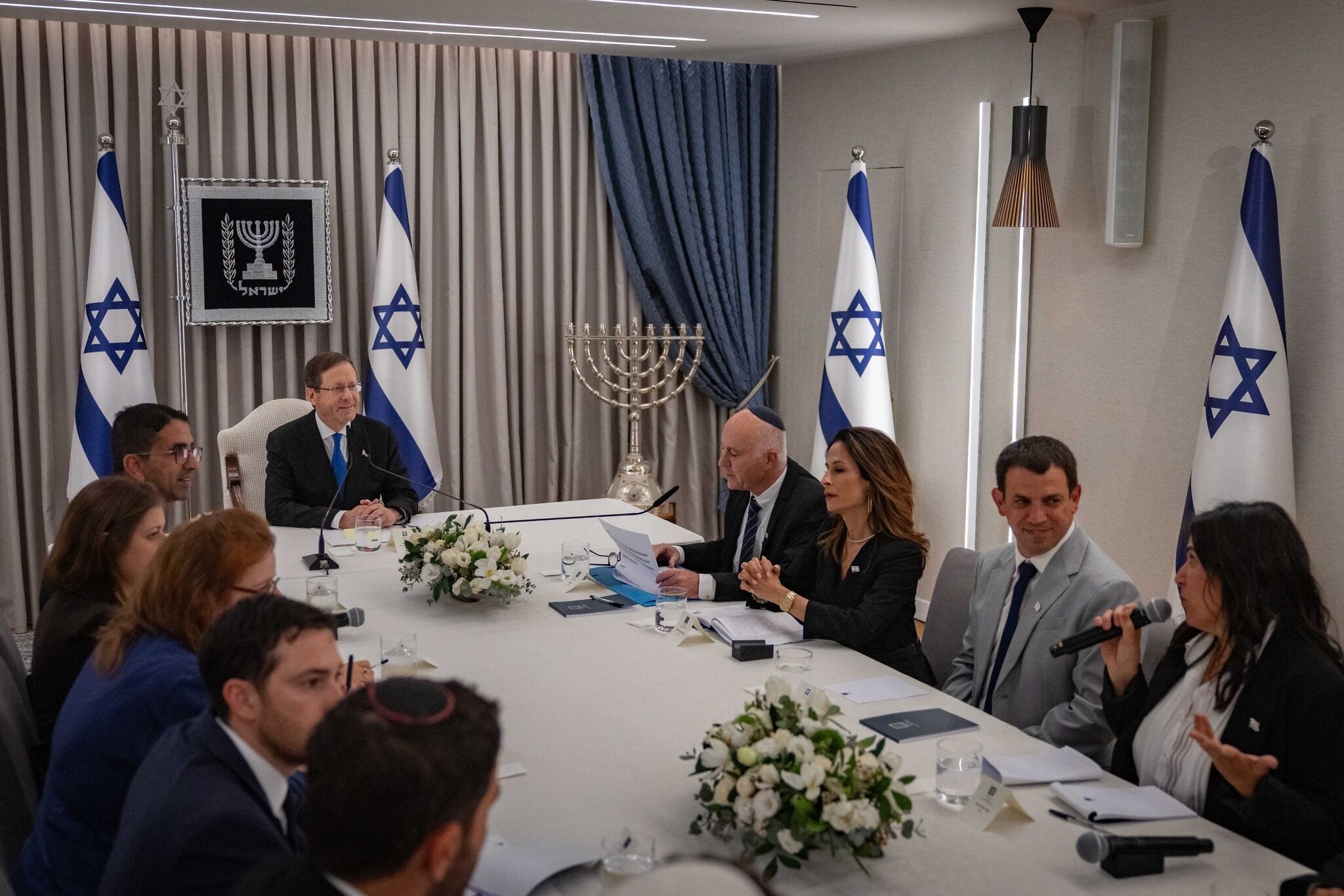
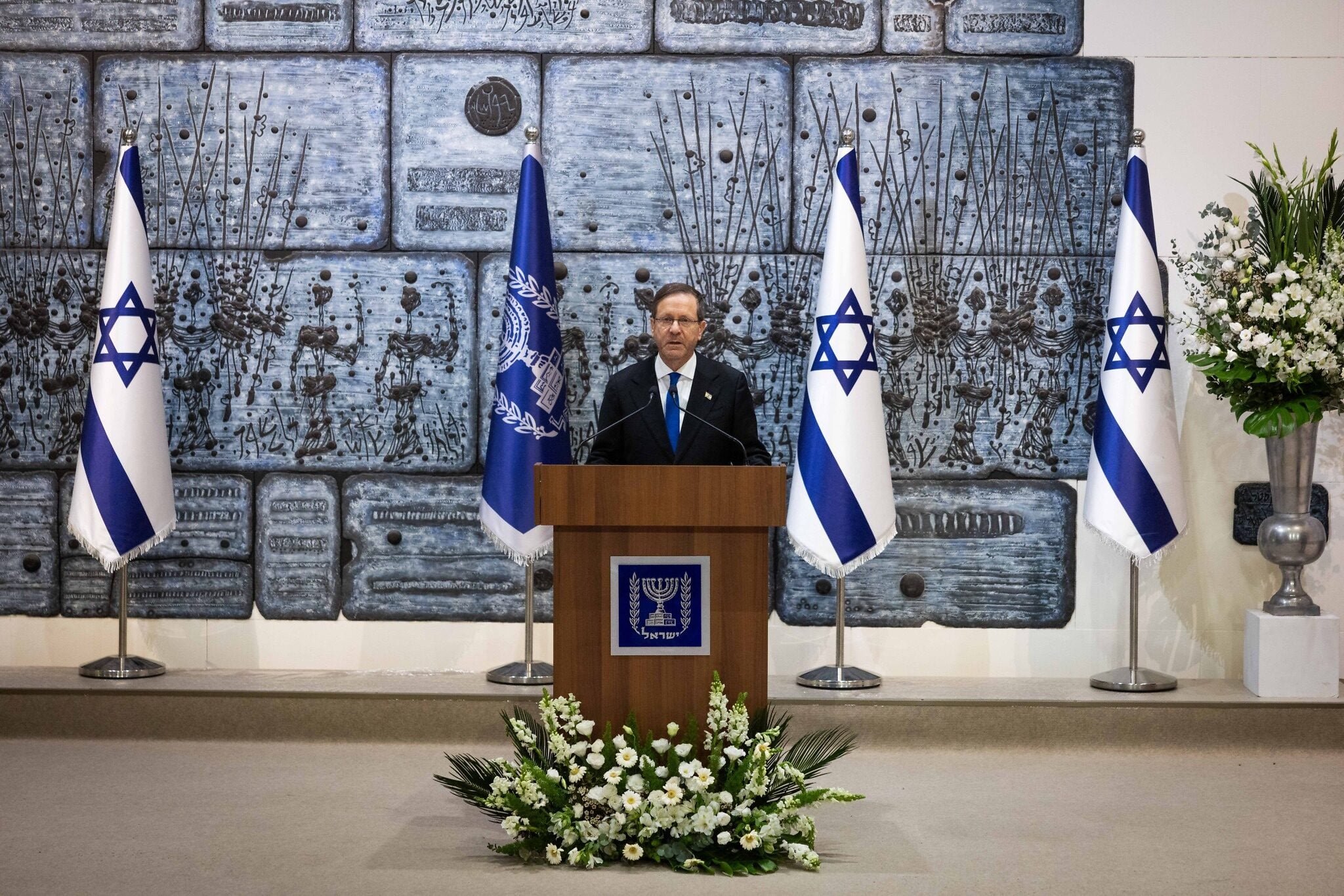
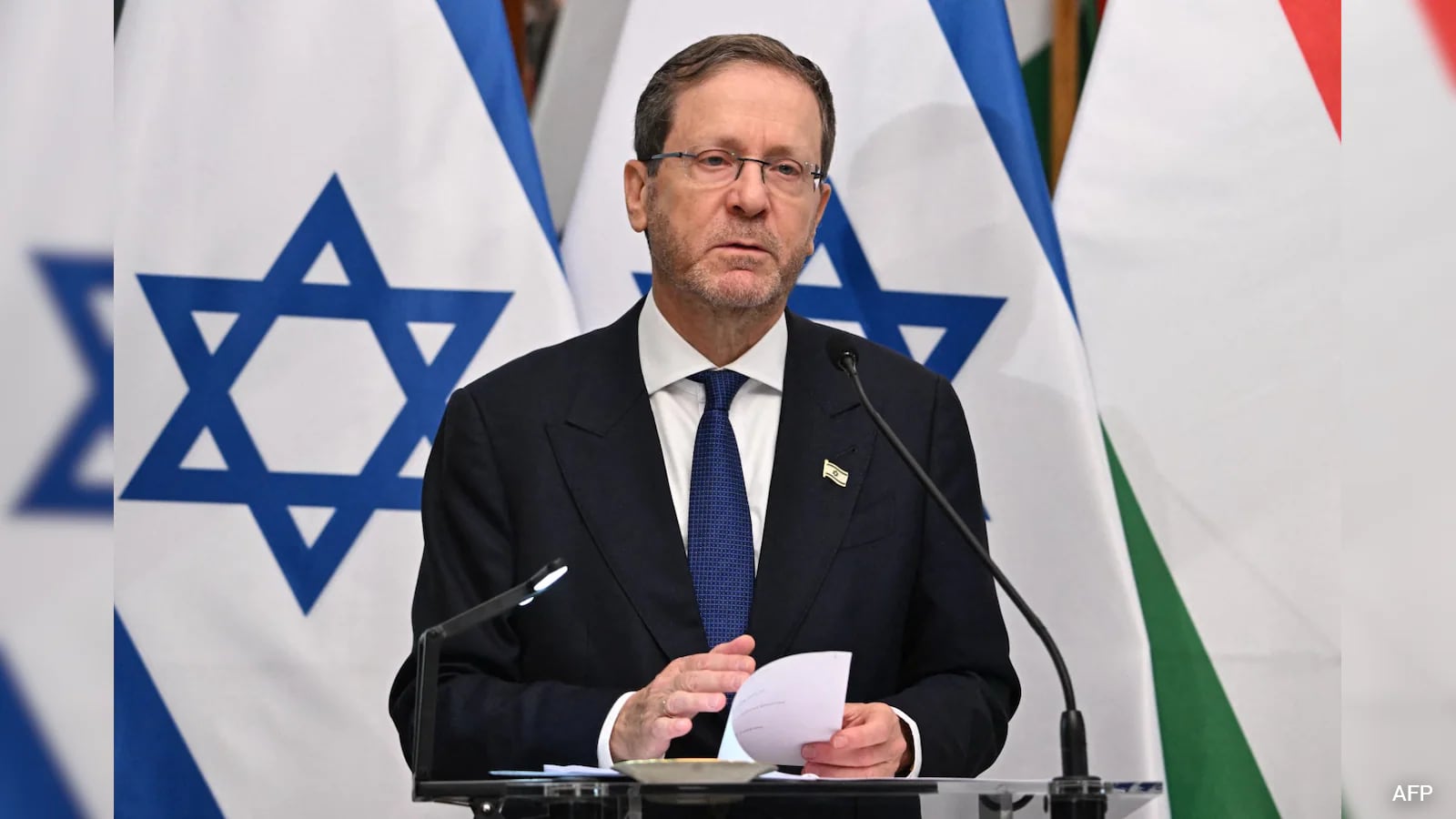
Isaac Herzog is navigating complex coalition talks after 67 MKs recommended Eisenkot for prime minister, yet only 48 are committed allies. This situation arises as Netanyahu faces opposition, particularly from the Joint List, which complicates Eisenkot's path to forming a stable government.12345789
Despite the strong recommendation tally of 67 to 46 against Netanyahu, the reality is more nuanced. The Joint List and United Torah Judaism (UTJ) have not committed to supporting an Eisenkot-led government, making the recommendation count more theoretical than practical. UTJ has emerged as a key player, refusing to back Netanyahu and hinting at potential shifts for the right price.
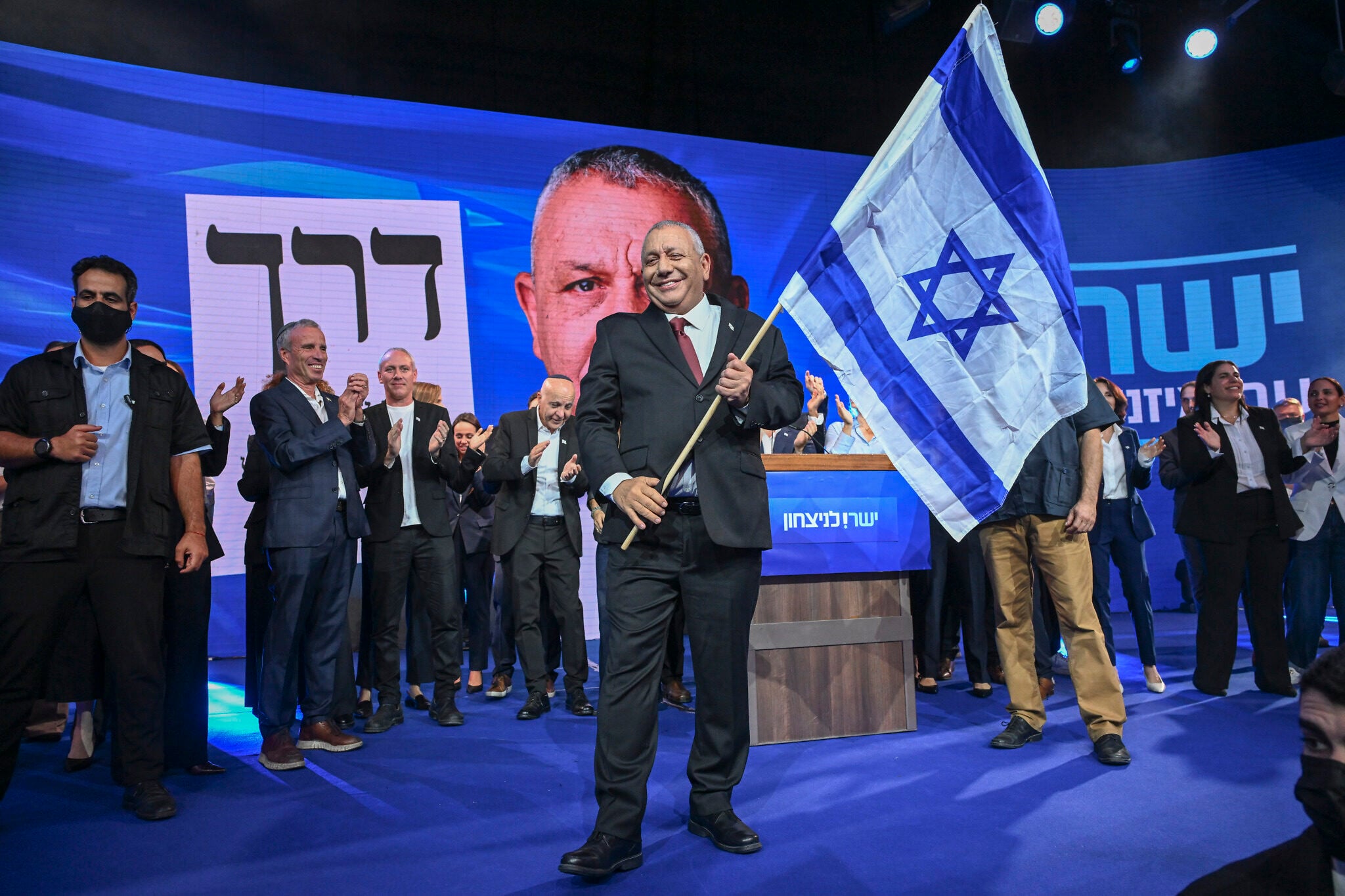
Eisenkot's challenge lies in expanding his coalition beyond the 48 MKs willing to ally without conditions. The Yisrael Beytenu party, known for its hawkish stance, has ruled out cooperation with Arab parties, complicating coalition-building efforts. The ultra-Orthodox party's push for military draft deferrals further alienates Eisenkot's camp, highlighting the difficulties ahead.
As the clock ticks down on his presumed mandate, Eisenkot must find a way to solidify his support base or risk political isolation, with the stakes high for both him and Herzog.
“UTJ's refusal to recommend Netanyahu makes it the election's sole free agent, signaling possible coalition switch. Meanwhile, Eisenkot's camp must navigate Yisrael Beytenu's rejection of Arab party support and UTJ's push for Haredi draft deferrals, complicating any deal.”