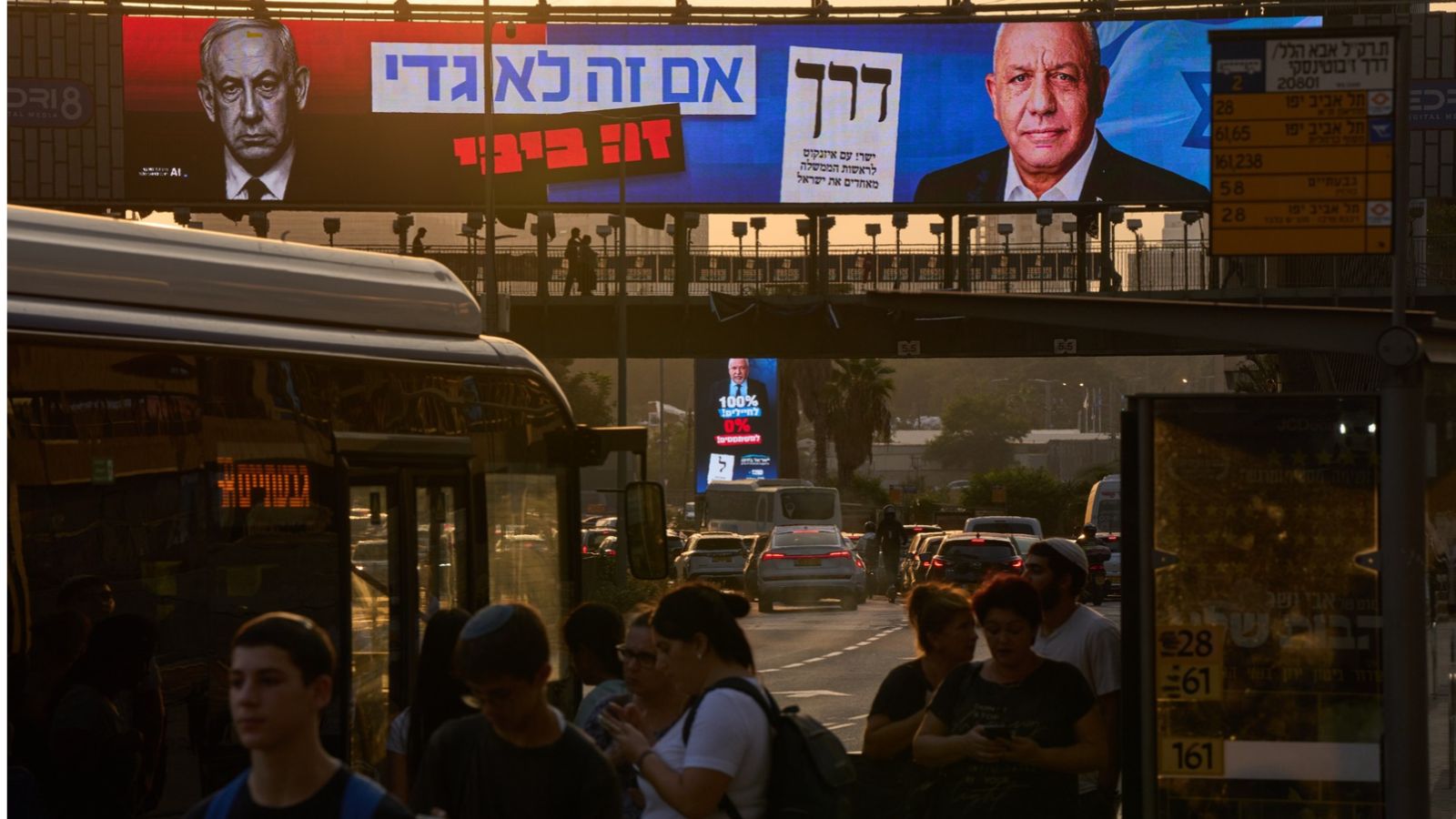
- Israeli opposition leaders have agreed to back former military chief Gadi Eisenkot as prime minister to replace Benjamin Netanyahu, following the October 27 election that left neither bloc with a majority in the 120-seat Knesset.
- During their first meeting in Herzliya on November 3, opposition leaders agreed to recommend Eisenkot to President Isaac Herzog for forming a new government.
- President Herzog is set to hold talks with the parties on November 4 and 5 as part of the ongoing political negotiations.
- The opposition bloc remains split on whether to collaborate with Arab-led parties, whose votes could be crucial in determining the next government.
- Netanyahu's bloc won 53 seats, while the opposition secured 48 and Arab-led parties obtained 19 seats in the recent election.
- Yair Golan supports an alliance with Arab-led parties, but Avigdor Liberman is firmly against it, highlighting the divisions within the opposition.


Israeli opposition leaders have rallied behind Gadi Eisenkot, the former military chief, to challenge Benjamin Netanyahu following the October 27 elections that left no majority in the Knesset. During a meeting in Herzliya, they agreed to form a new government but remain divided over the inclusion of Arab-led parties.124
Eisenkot, leading the Yashar party, aims to establish a national emergency government and will be recommended to President Isaac Herzog. The opposition bloc secured 48 seats, while Netanyahu's coalition holds 53 seats and Arab parties command 19 seats, making their support pivotal for a majority of 61.
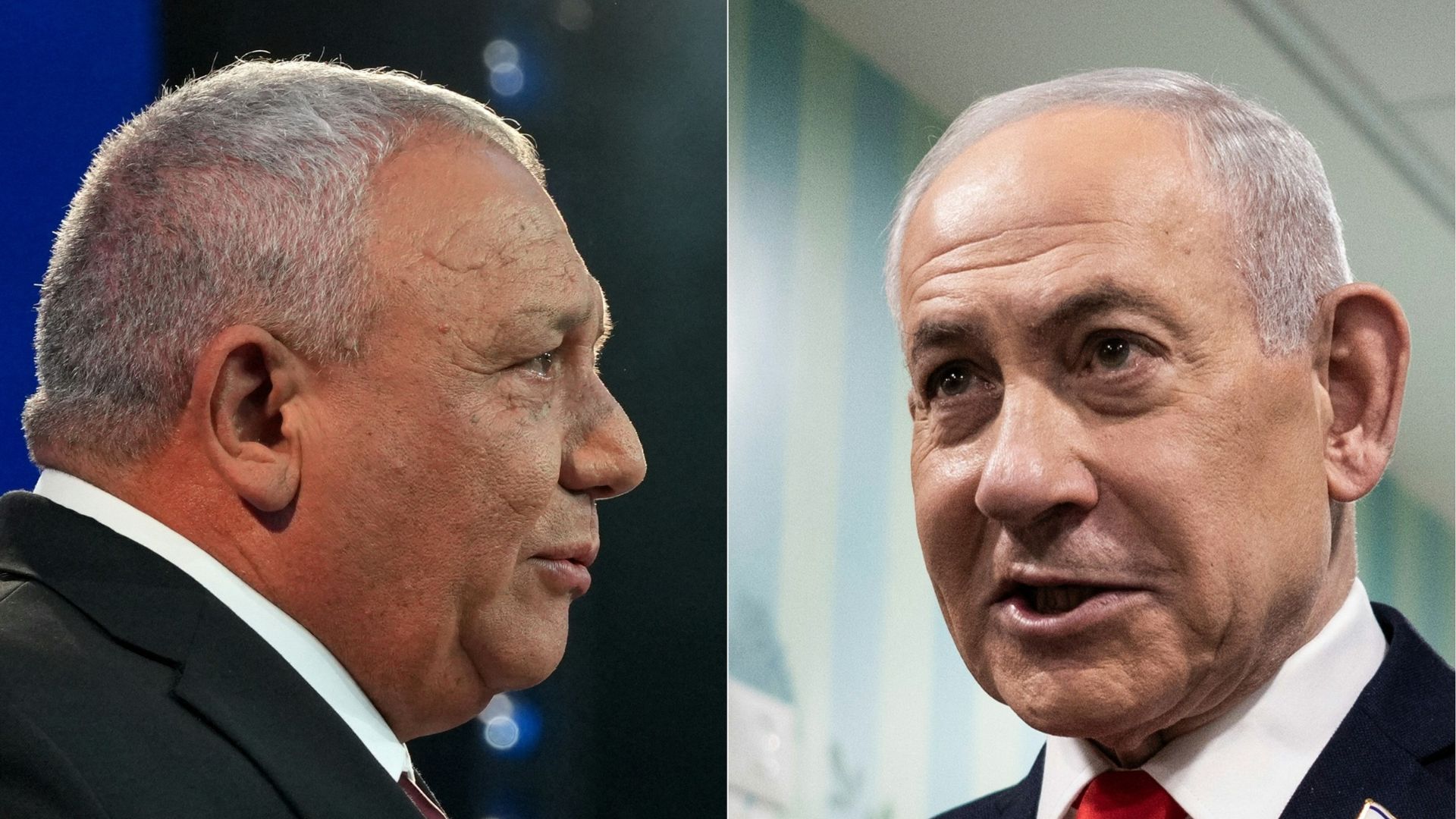
While Yair Golan supports an alliance with Arab parties, Avigdor Liberman opposes it, reflecting the ongoing rift within the opposition. Eisenkot has accused Netanyahu of undermining public trust in the election results, warning of a potential constitutional crisis. He stated, "They are trying to drag us all into a dangerous constitutional crisis," highlighting the tensions surrounding the election aftermath.6
As the political landscape remains uncertain, the opposition's next steps will be crucial in determining the future of Israeli governance and the role of Arab parties in the Knesset.
“The opposition bloc won 48 seats to Netanyahu's 53, with Arab-led parties holding 19 and thus the balance. Herzog begins party talks November 4-5, while Eisenkot accuses Netanyahu of seeking a 'constitutional crisis' over election results.”
The Indian ExpressCGTN