- Israeli officials are shocked by the speed of Iran's military recovery, as it has been reported that Iran is rebuilding its military capabilities much faster than previously believed.
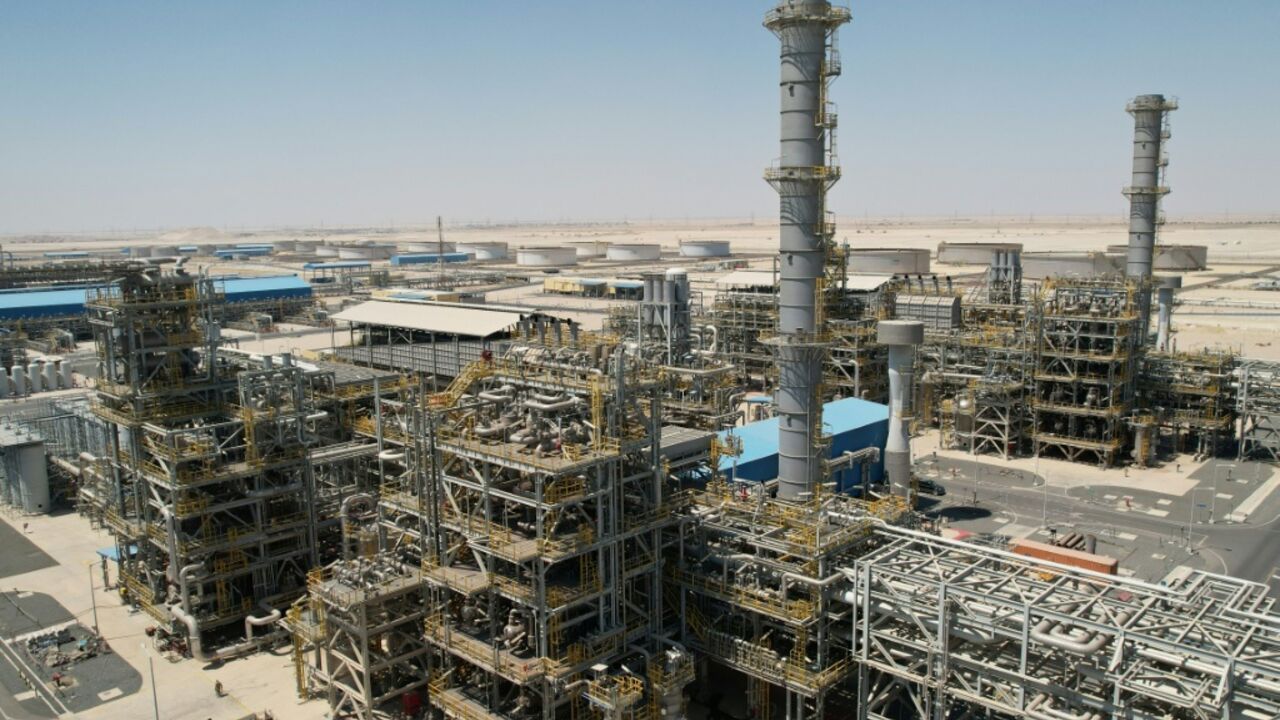
- Four months after the main fighting ended in April, Israeli officials now believe that Tehran has found creative ways to restore critical capabilities, despite significant damage to its military infrastructure.
- Iran launched missiles at Israel at the beginning of June and escalated its attacks in early July with renewed strikes on Arab states.
- Israeli officials are concerned that Iran is both recovering surviving weapons and manufacturing new ones.
- Satellite imagery has shown that 50 of 69 tunnel entrances at 18 underground missile facilities had been cleared, indicating a rapid recovery.
- If Iran resumes manufacturing between 100 and 300 ballistic missiles per month, it could restore its arsenal to levels seen in June 2025 by early or mid-2027.
- During the approximately 40-day war that began on February 28, the US and Israel struck more than 2,600 missile and military-industrial targets.
- The damage to Iran's military was estimated at approximately $300 billion, yet Israeli officials now believe Iran has adopted a targeted approach to reconstruction.
- Israeli military and intelligence officials have been taken aback by Iran's ability to redevelop its ballistic missile threat after the main phase of fighting.
Israeli officials are increasingly alarmed by Iran's swift military recovery, with reports indicating that Tehran is rebuilding its missile stockpile faster than expected.124
Following the recent conflict, which saw over 2,600 military targets struck, Israeli intelligence believed Iran's military capabilities had been severely compromised. However, four months post-conflict, assessments reveal that Iran has found “creative ways” to restore its military infrastructure, focusing on missile production.
Israeli officials now estimate that Iran could manufacture between 100 and 300 ballistic missiles per month, potentially restoring its arsenal to pre-war levels by 2027. This rapid recovery could pose a significant threat by 2028, as Iran reportedly has access to around 1,000 ballistic missiles from underground facilities.6
The IDF has not disclosed current production figures, citing intelligence concerns, but acknowledges that Iran is both recovering existing weapons and producing new ones.
“The IDF substantially harmed a diverse range of Iranian military capabilities,” an IDF spokesperson stated, while also admitting that Iran appears to have effectively rebuilt its offensive threats.
The situation is further complicated by the depletion of US missile stockpiles, raising concerns about future military engagements.
As tensions escalate, Israeli officials remain vigilant, closely monitoring Iran's military advancements and the implications for regional security.
“Satellite imagery shows 50 of 69 tunnel entrances at 18 underground missile facilities cleared, potentially accessing an estimated 1,000 ballistic missiles. The US and Israel struck over 2,600 targets during the 40-day war, causing an estimated $300 billion in damage.”
 The Independent