- Netanyahu's office had previously indicated it would not back the plan, saying: The version that has been made public does not reflect Israel's positions.
- Netanyahu, in a statement on Sunday, rebuked US pressure and said Israel can stand its ground even against its best friends when necessary.
- Israel has emerged as a key stumbling block in the Trump White House’s peace efforts, and the rejection is a blow to Trump’s desire to be seen as a peace broker.
- Netanyahu, facing tough elections in October and pressure from hardliners, appears ready to test his relationship with Trump publicly to shore up his reputation as a defender of Israel.
- Trump will have to decide whether to increase pressure on Netanyahu or allow the Gaza peace plan to stall, with the outcome depending on his political instincts and the potential backlash from his base.
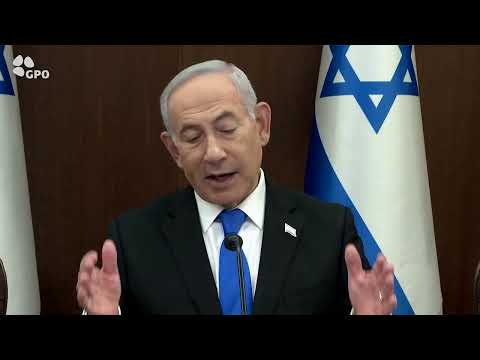
Israeli Prime Minister Benjamin Netanyahu has firmly rejected a US-led 15-point peace plan aimed at resolving the Gaza conflict, emphasizing that Israel will not withdraw until Hamas is fully disarmed. He stated, “Israel does not accept the 15-point document” and insisted on “genuine disarmament” of all Hamas weaponry.2345678
Netanyahu's rejection comes amid increasing pressure from the Trump administration, which proposed the plan to facilitate a transition of power to a Palestinian National Committee. However, Netanyahu has made it clear that he prioritizes Israel's security over diplomatic pressures, rebuking the notion of Israeli weakness. He remarked, “Unlike all those who lecture us, we do what needs to be done for Israel’s security”.
The Israeli leader's stance poses a significant challenge to Trump's aspirations of being seen as a peacemaker in the region, particularly as Netanyahu faces tough elections and pressure from hardliners within his government. The rejection of the plan is a setback for Trump, who must now decide whether to escalate pressure on Netanyahu or risk alienating pro-Israel allies.
As tensions rise, the future of the peace plan remains uncertain, with Netanyahu's firm position indicating a potential standoff between the US and Israel. The outcome will likely depend on Trump's political instincts and the reactions of US voters, who may have differing expectations regarding the administration's role in the ongoing conflict.
“Netanyahu, facing tough elections in October and pressure from hardliners, appears ready to test his relationship with Trump publicly to shore up his reputation as a defender of Israel. Trump must now decide whether to increase pressure on Netanyahu or let the peace plan stall, with the outcome hinging on his political instincts and potential backlash from his base.”


 The Guardian