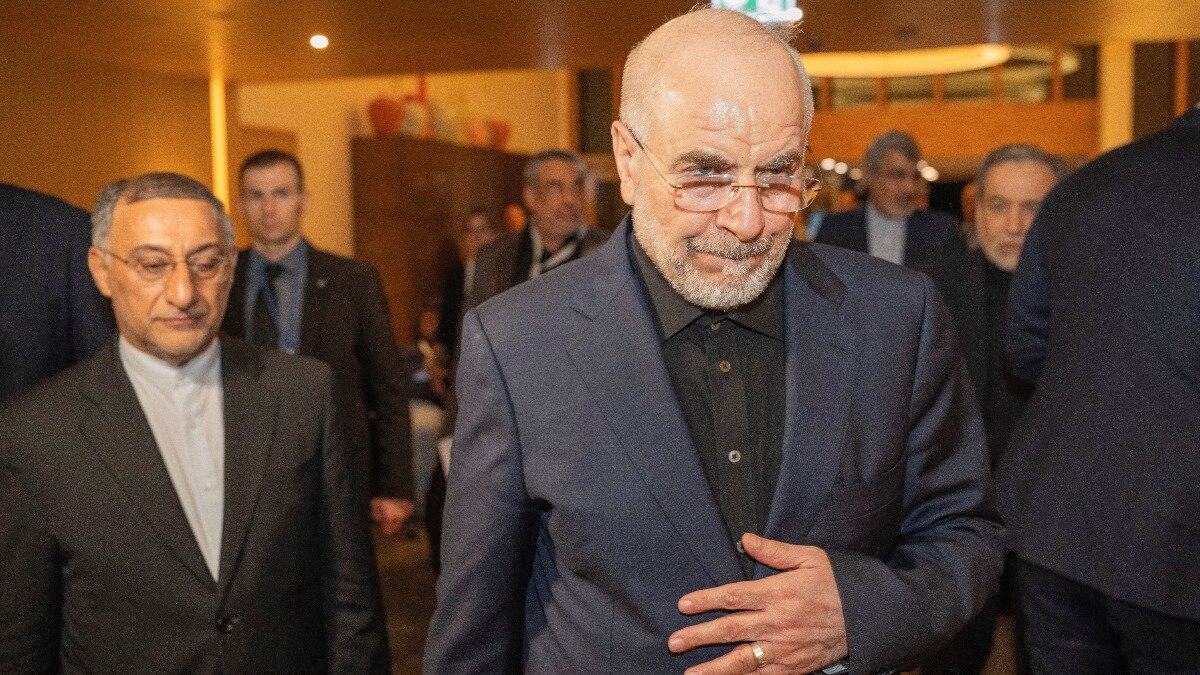
- Iran's Parliament Speaker Mohammad Bagher Ghalibaf declared absolute victory over the US and Israel, stating they failed to achieve any of their war objectives during the ongoing conflict.
- The conflict began on February 28 when Israel and the US launched a major military campaign against Iran after the breakdown of negotiations over Tehran's nuclear programme.
- The fighting has expanded beyond Iran and Israel, drawing in US military assets and triggering Iranian attacks against American interests and bases across the region.
- A June interim agreement was intended to halt hostilities but broke down after Trump declared it over in July.
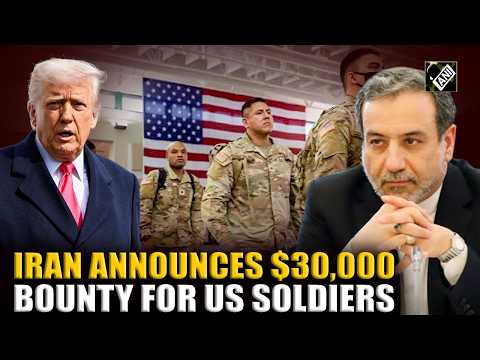
- Iranian army chief Amir Hatami announced a $30,000 bounty for killing or capturing a US soldier, with the offer being double for Iranian women.
- Oil prices barely moved as tanker traffic through the Strait of Hormuz slowed with no peace deal in sight between the United States and Iran.
- The US campaign aimed to severely degrade Iran's military and nuclear capabilities, among other strategic objectives.
- Tehran accused Washington of violating the June agreement and subsequently halted direct military and diplomatic engagement with the US.
- Iran has continued to use negotiations and regional mediation as leverage, maintaining demands that include sanctions relief and the unfreezing of Iranian assets.
Iran's top negotiator, Mohammad Bagher Ghalibaf, asserted that the US and Israel have suffered an absolute defeat in their military objectives against Iran. He emphasized that the June 17 memorandum of understanding symbolizes Iran's political and diplomatic victory, stating, "What I mean is that the United States and Israel attacked us with specific and clear objectives... But they failed to achieve any of those objectives at any level."
The conflict, which ignited on February 28, has escalated into a broader military campaign involving US and Israeli forces targeting Iran's nuclear capabilities. Ghalibaf described negotiations with the US as an extension of warfare, labeling it a "diplomacy of power" that has strengthened Iran's negotiating position.
The Iranian military has responded robustly, with Major General Amir Hatami announcing a bounty of $30,000 for the capture of a US soldier, doubling the reward for Iranian women. This reflects a shift in Iran's military doctrine towards a more offensive posture, as articulated by Brigadier General Yadollah Javani, who warned adversaries to expect "strategic surprises."
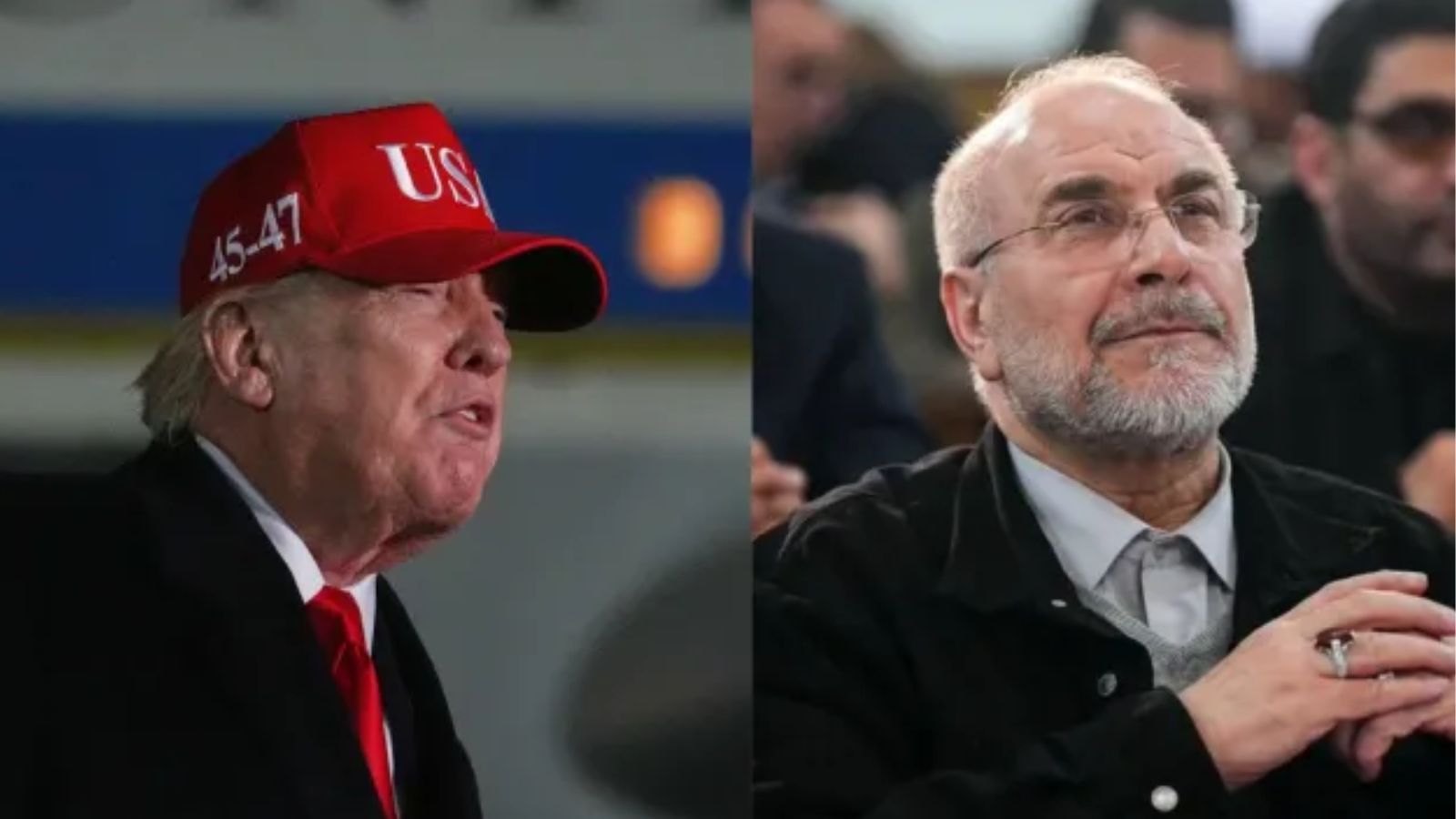
Despite the ongoing conflict, US officials maintain that their operations have significantly degraded Iran's military capabilities. However, the absence of a peace deal raises concerns over regional stability and energy markets, particularly in the strategically vital Strait of Hormuz, where oil prices remain volatile amid the conflict.6
As the situation develops, both sides appear entrenched, with no immediate resolution in sight, further complicating the geopolitical landscape in the Middle East.
“Ghalibaf called the June 17 memorandum of understanding a 'document of honour' that consolidates Iran's victory politically and diplomatically. Meanwhile, Iran's army chief Amir Hatami offered a $30,000 bounty for killing or capturing a US soldier, double for Iranian women, as oil prices barely moved amid stalled talks.”

 The Indian Express


.png)