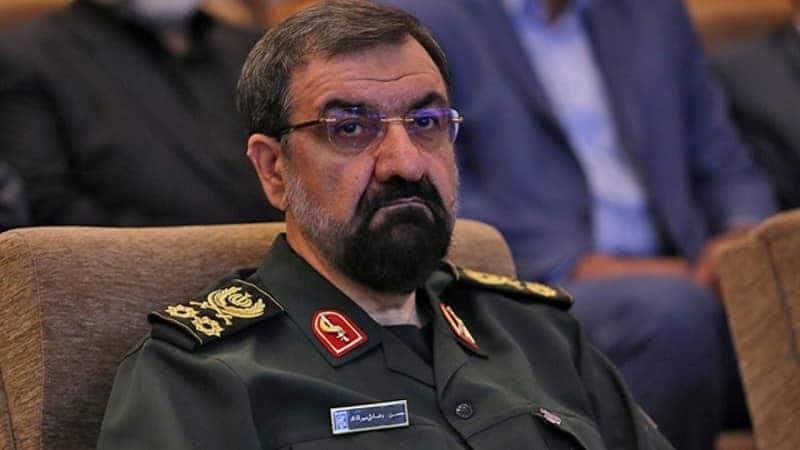
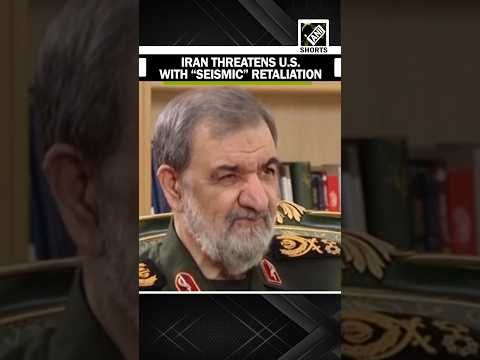
- Mohsen Rezaei, Iran's Supreme National Security Council Secretary, has accused President Donald Trump of creating 'nuclear insecurity' through his attacks on Iran, which he claims has increased the global desire for nuclear weapons.
- US Treasury Secretary Scott Bessent is set to announce new sanctions on Monday, warning that they could be 'the toughest sanctions in history'.
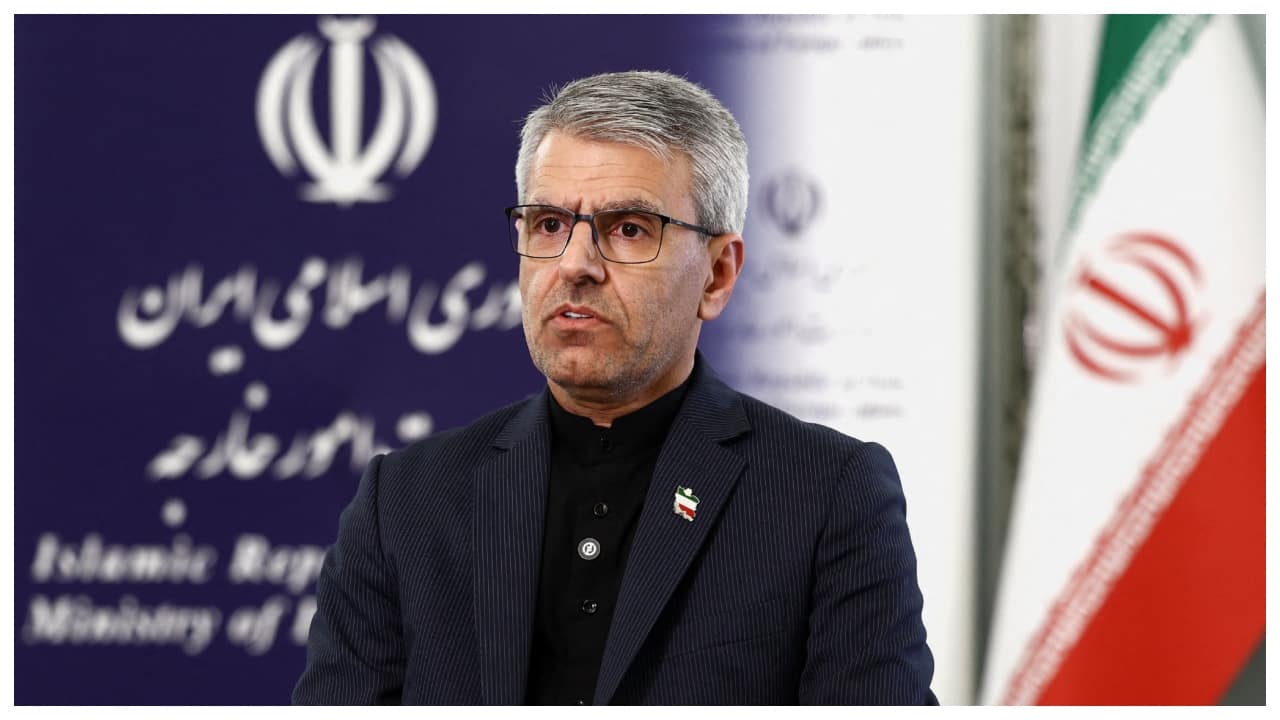
- Esmaeil Baghaei, spokesperson for Iran's Foreign Ministry, has denounced the planned sanctions, stating they lack foundation in international law.
- Rezaei has warned neighboring countries against joining the US economic war, threatening to consider them as enemies if they do.
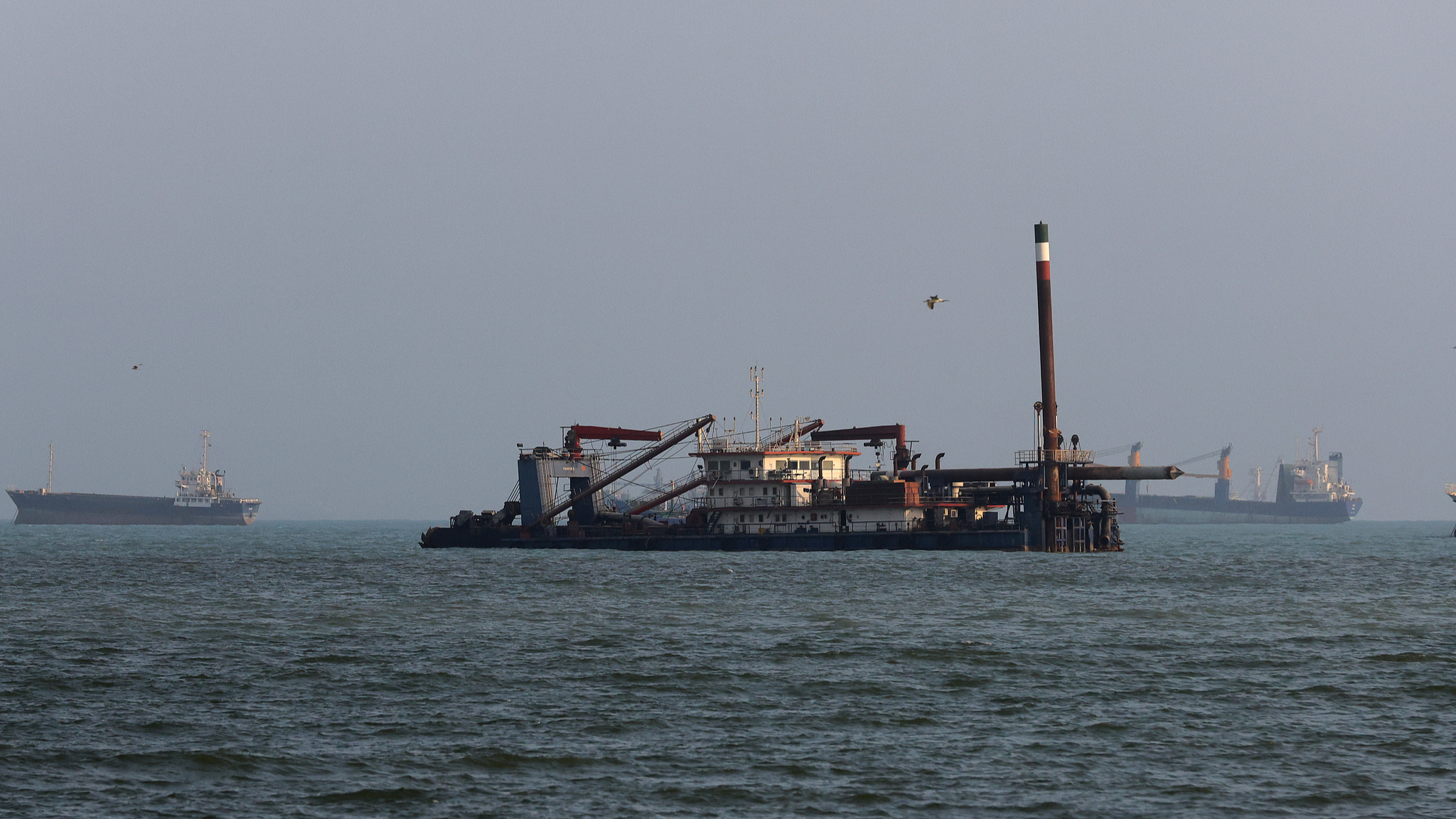
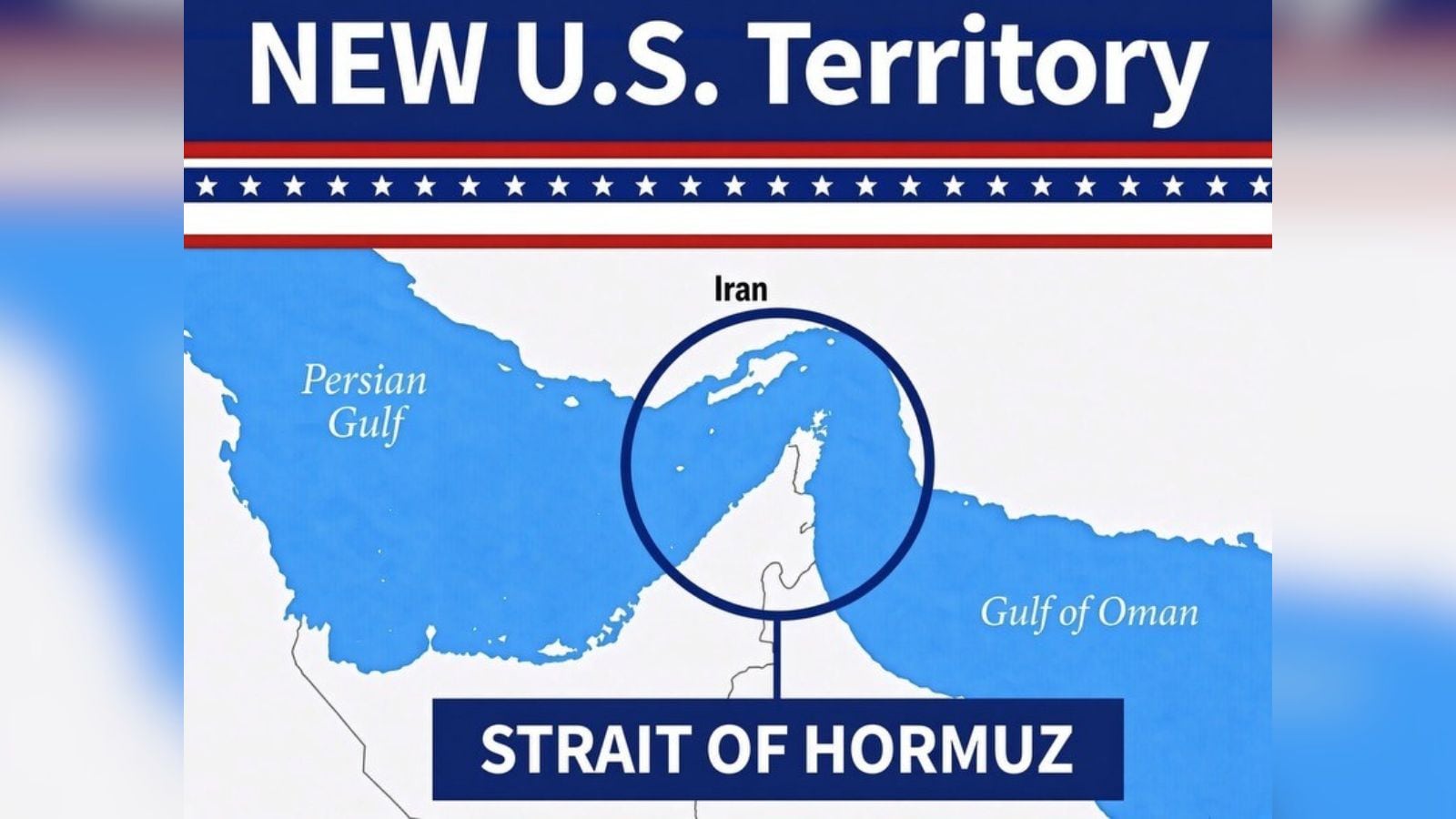
- US Energy Secretary Chris Wright stated that the US military has helped move 8 million barrels per day through the Strait of Hormuz, a significant decrease from over 20 million barrels before the war.
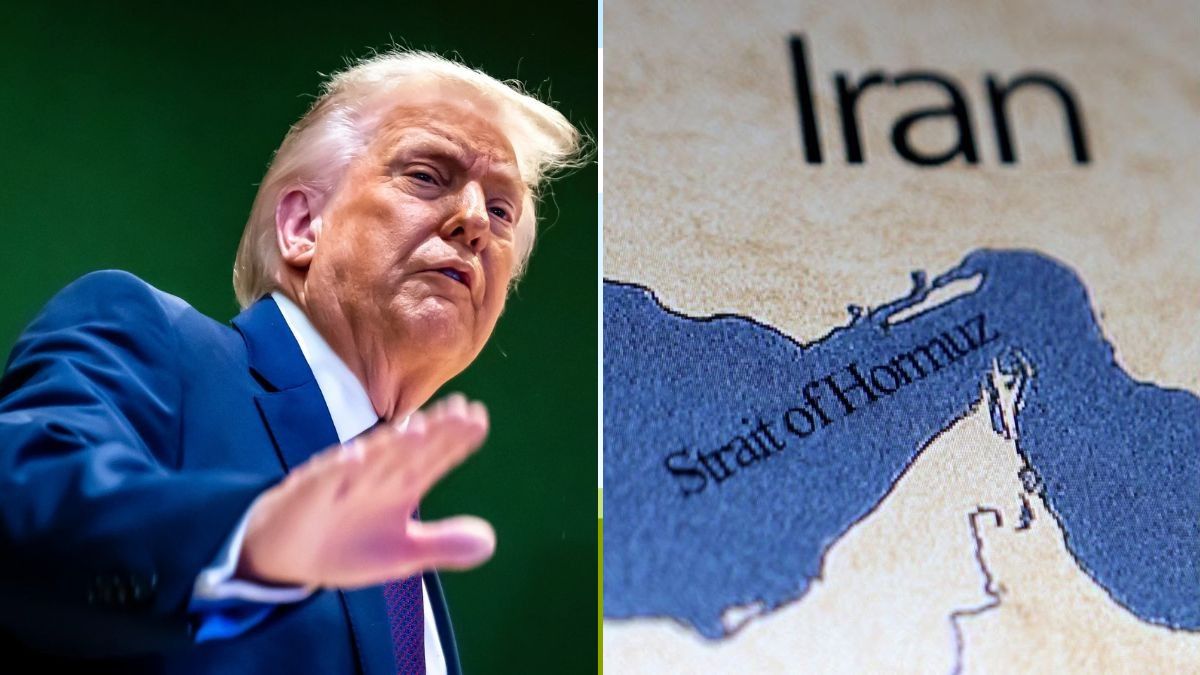
- President Trump claimed that Iran desires a deal but is not prepared to agree to Washington's terms.
- Iranian President Pezeshkian stated that it would be better to end the war today when Iran is powerful and has dignity.
Iran's Supreme National Security Council Secretary Mohsen Rezaei has accused President Donald Trump of fostering 'nuclear insecurity' through his aggressive policies, which he claims have spurred a global race for nuclear arms.12
Rezaei stated, “Trump’s recklessness, with his attacks on Iran, has increased the desire of people around the world to acquire nuclear weapons.” He emphasized that countries perceive membership in the International Atomic Energy Agency (IAEA) and the Nuclear Nonproliferation Treaty (NPT) as ineffective in preventing US aggression.
As the US Treasury Secretary prepares to announce what could be “the toughest sanctions in history” against Iran, the Iranian government has warned of potential retaliation against nations that support Washington's economic campaign.
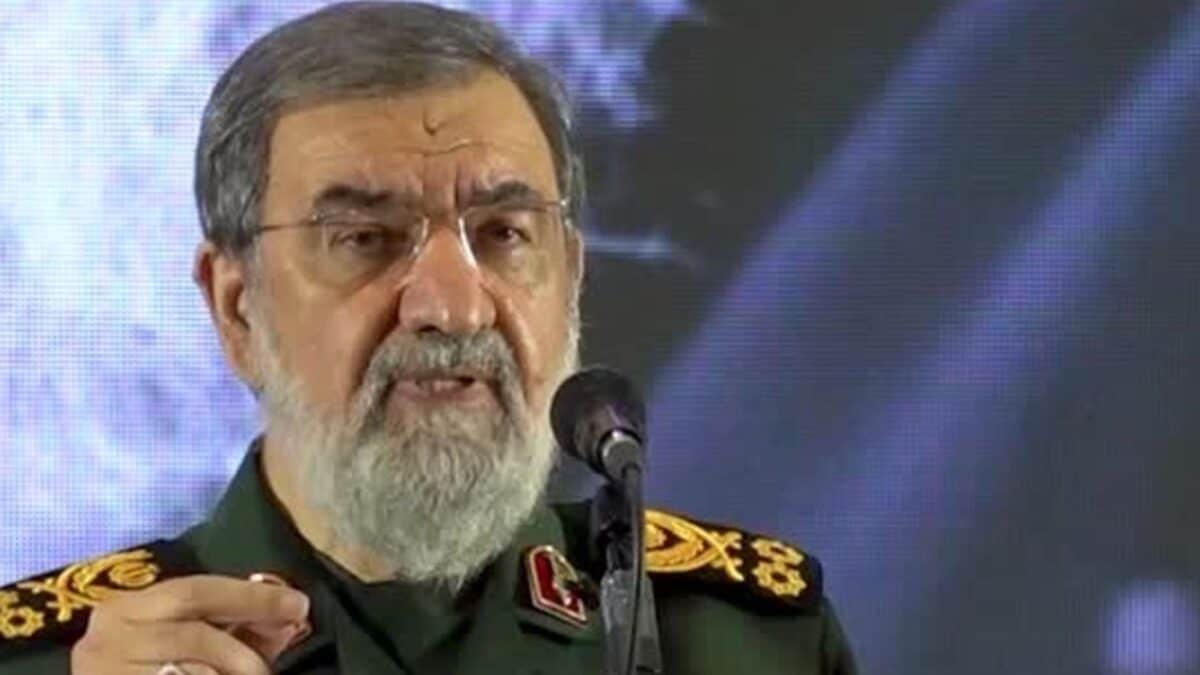
Rezaei cautioned, “We are telling all nearby countries not to join the US economic war, otherwise we will consider them as enemies.” He defended Iran's nuclear program, asserting that the country has accepted international safeguards and remains compliant with the NPT.6
However, the International Atomic Energy Agency has previously expressed concerns regarding Iran's nuclear activities, stating it could not confirm the program's peaceful nature without resolving outstanding issues.
The sanctions threat comes amid a significant decline in oil shipments through the Strait of Hormuz, with US Energy Secretary Chris Wright noting a drop from over 20 million barrels per day to an average of 8 million barrels due to ongoing tensions.7
“Rezaei warned that countries seeing IAEA and NPT membership as ineffective in preventing US attacks has fueled the desire for nuclear weapons. He also threatened to treat nearby nations as enemies if they join Washington's economic war, while oil shipments through the Strait of Hormuz remain at a standstill.”


 News18