
- War with the US broke out in February, leading to skyrocketing grocery prices in Iran.
- According to the Statistical Center of Iran, food and drink prices increased by 113.8% in March.
- Jahan-e Sanat reports an increase in shoplifting of staples over the last 10 months, with grocery store workers noting a rise in theft.
- In an Aug. 5 address, President Masoud Pezeshkian blamed foreign pressure for the country's economic troubles.
- Expert Miad Maleki warns that Iran is already inside the tipping zone regarding its economic crisis.
- Iran's economy has been severely impacted by international sanctions, with the national currency, the rial, losing more than a third of its value against the US dollar over the past year.
- Reports indicate that theft of basic groceries is becoming more common, raising concerns about the economic crisis pushing households toward a breaking point.
- An investigation by Jahan-e Sanat revealed that supermarket workers have encountered customers who concealed inexpensive food items or consumed products inside stores without paying.
Iran's economy is facing a severe crisis, with inflation rates soaring to 113.8% for food and beverages, leading to reports of citizens stealing basic groceries like bread and cheese.2
The Statistical Center of Iran reported that prices have skyrocketed since the onset of conflict with the US, with bread prices increasing by 140% and dairy products by 116.8%.
Supermarket workers have noted a significant rise in theft, with one employee stating, “I think poverty is the main reason... when someone steals a simple item, they are probably under enormous pressure.”
Miad Maleki, an associate fellow at the Foundation for Defense of Democracies, warned that Iran is at a “tipping point”, where economic conditions could lead to widespread unrest. He stated, “A genuine ‘tipping point’ wouldn’t be a single dramatic event... it would look like what’s already unfolding in slow motion.”5
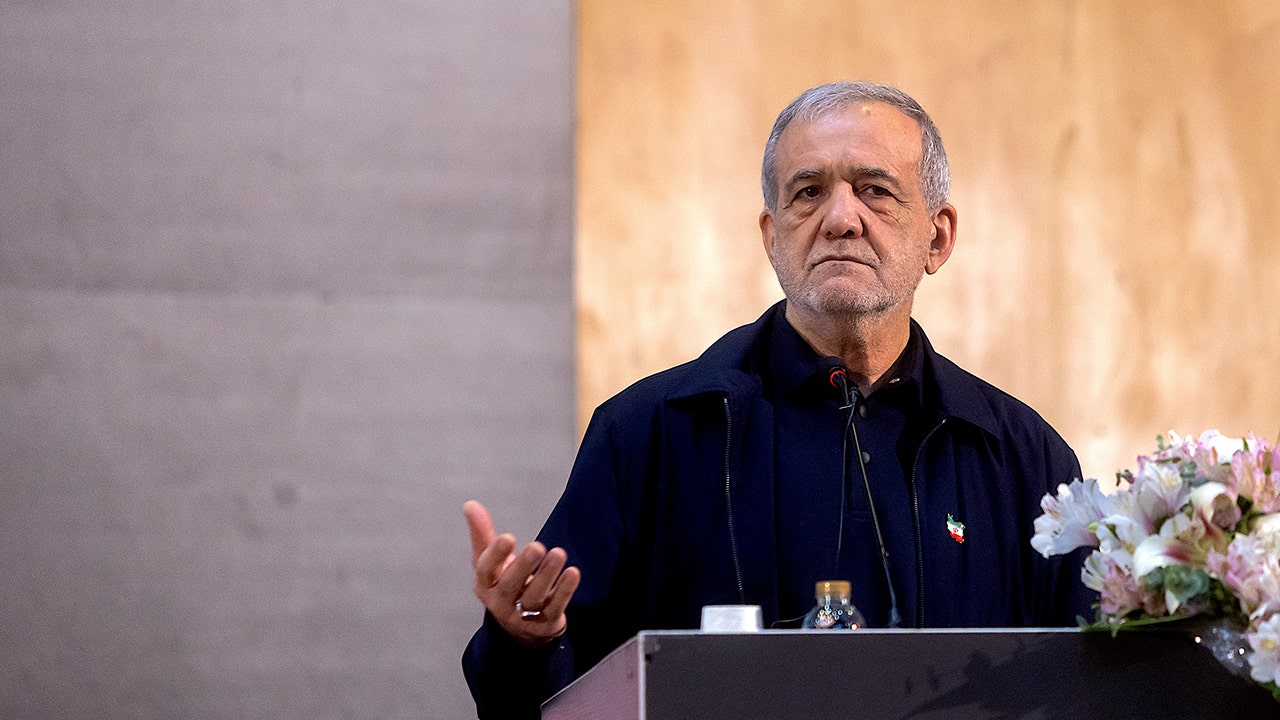
President Pezeshkian acknowledged the “difficulties and problems” facing the nation, attributing the unrest to foreign pressures aimed at inciting protests. He insisted that Iran remains “powerful and respected.”4
As the national currency, the rial, continues to lose value, with reports indicating it fell from 1.5 million rials to 1.94 million rials against the US dollar, the situation remains dire for many Iranians.
Maleki emphasized that the regime's most dangerous moments have historically been economic, not ideological, suggesting that the current crisis could lead to renewed demonstrations similar to those following a sharp increase in gasoline prices.
“Food and drink prices have surged 113.8% since the war with the US began in February, with bread up 140% and dairy up 116.8%. The rial has lost over a third of its value against the dollar, and reports of shoplifting staples like meat and cheese are rising.”
 Fox News



