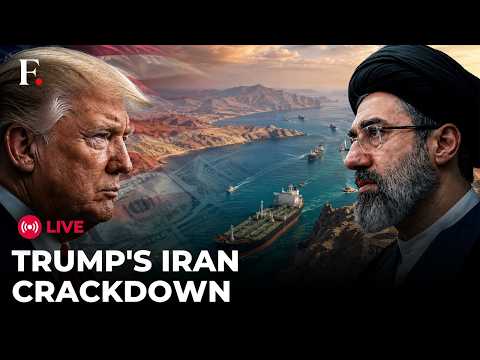
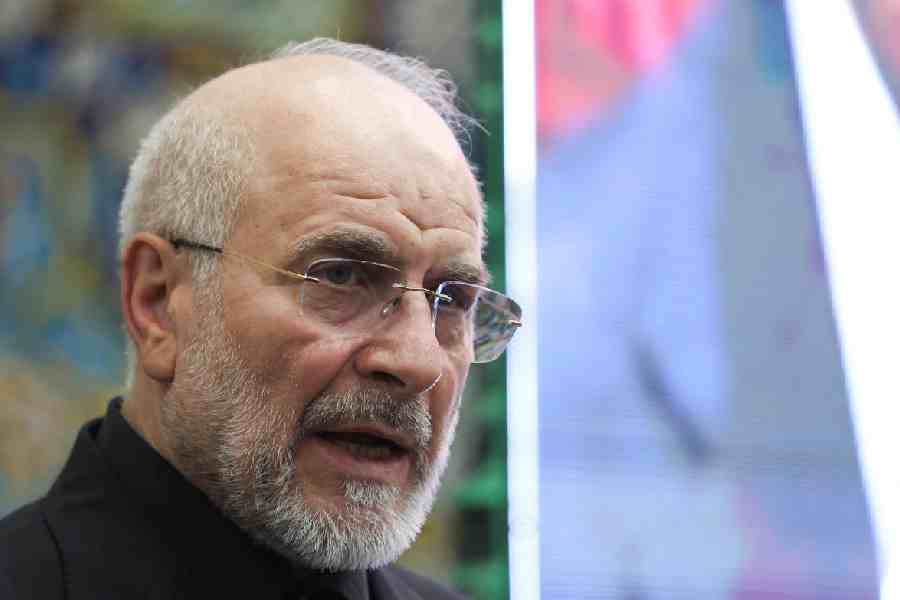
- Iranian President Masoud Pezeshkian called for an end to the months-long war with the United States, stating that Tehran is in a position of strength over Washington.
- US Treasury Secretary Scott Bessent vowed to ramp up sanctions to 'collapse' the Iranian regime, indicating a shift to economic pressure as military operations continue.
- China criticized the US sanctions, asserting that they would not resolve the conflict, highlighting international discontent with Washington's approach.
- Bessent is expected to provide further details on the economic measures against Iran during a press conference on Monday.
- The war began with US and Israeli military action against Iran in late February, leading to ongoing hostilities.
- In June, Iran and the US reached a memorandum of understanding, but the 60-day deadline expired without a wider deal, contributing to the current stalemate.
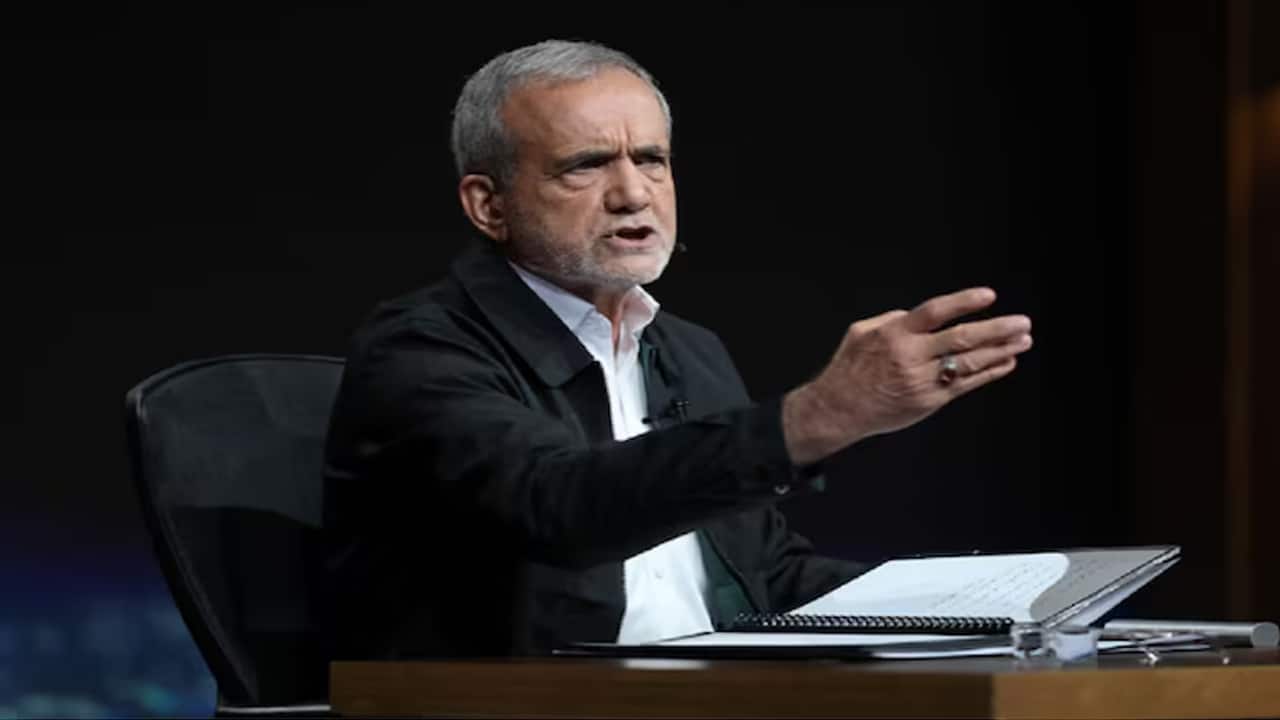
Iranian President Masoud Pezeshkian has urged for an end to the prolonged conflict with the United States, stating, "It is better that we bring the war to an end now as we are in a position of power and dignity." His remarks reflect Tehran's confidence as it faces increasing economic sanctions from Washington.1
Pezeshkian highlighted that the world acknowledges Iran's victory and criticized the U.S. for its military actions against Iranian infrastructure, claiming, "America has attacked our schools, hospitals and infrastructure in violation of all regulations and is hated around the world." The ongoing war, which began in February, has reached a stalemate, with both nations entrenched in their positions.
As tensions escalate, U.S. Treasury Secretary Scott Bessent announced plans to intensify sanctions, stating that the U.S. aims to "collapse" the Iranian regime through economic pressure rather than military action. Bessent's comments suggest a shift in strategy as the war continues to be unpopular domestically.4
Iran's Foreign Ministry condemned the sanctions as "economic terrorism" and called for accountability for the U.S. actions. Pezeshkian defended a previous memorandum of understanding with the U.S., asserting that it did not indicate capitulation, stating, "They cannot find even a single clause in this agreement that indicates capitulation." The situation remains tense as both sides prepare for further confrontations.6
“Pezeshkian defended the June memorandum as a major achievement, claiming 'all the commitments concern the other side.' Meanwhile, US Treasury Secretary Scott Bessent vowed to 'collapse' the Iranian regime, with China's Lin Jian saying 'sanctions and pressure will not help resolve the issue.'”