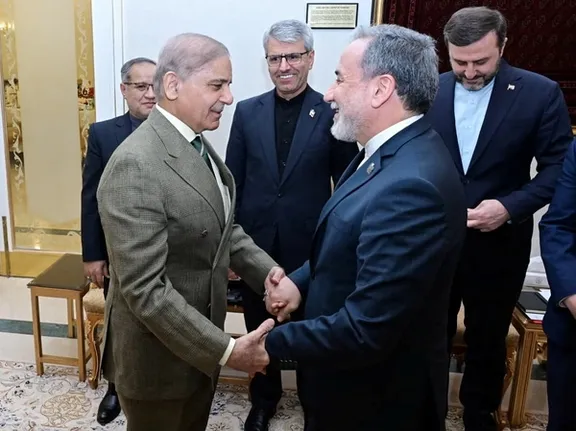
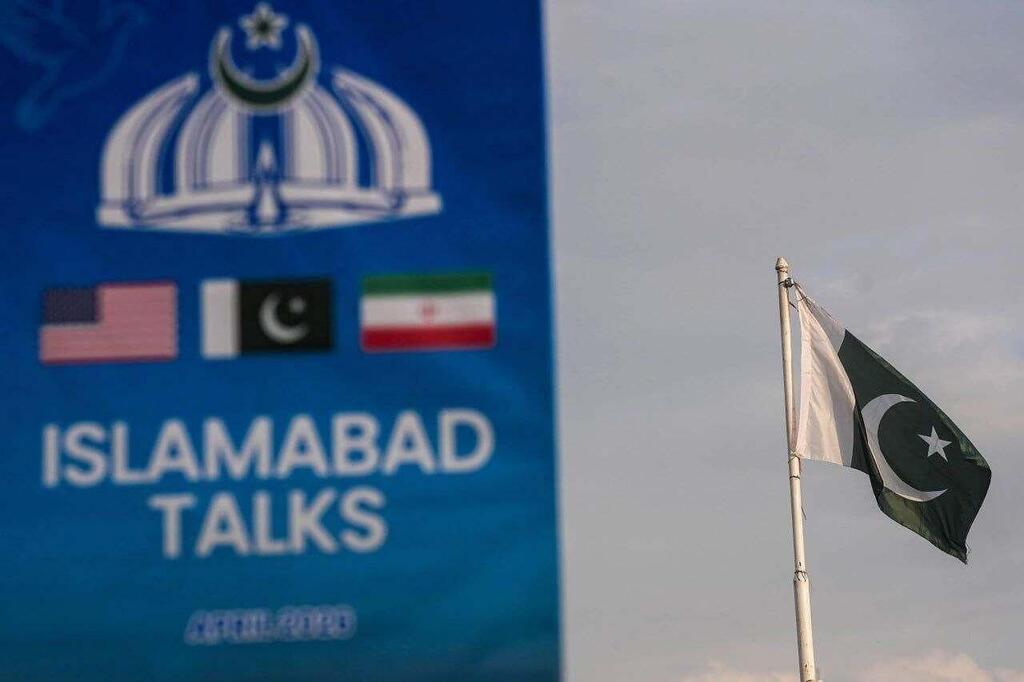
Iran's Foreign Minister Abbas Araghchi's recent visit to Islamabad reflected rising tensions as he left without a formal meeting with U.S. envoys, relaying Tehran's demands through Pakistani officials.
Despite characterizing the trip as “very fruitful,” Araghchi raised doubts about the
U.S. commitment to diplomacy. “Have yet to see if the U.S. is truly serious about diplomacy,” he commented.
The Iranian foreign ministry had indicated that talks would be
indirect, with officials acting as intermediaries. Amidst this backdrop,
U.S. Secretary of War Pete Hegseth warned that the blockade of Iranian ports was expanding and mandated U.S. Navy approval for any ship movements to or from these ports.
Meanwhile,
Iran's military command threatened an Iranian response if the blockade continued, labeling U.S. actions as “blockade and piracy.” This escalates the ongoing tensions as Iran conveys that any nuclear negotiations would not proceed under threats from the U.S.
The Iranian state media has noted that hardline stances in Tehran are gaining ground, particularly as U.S. policies appear to undermine the ceasefire initiated by President Trump.
While the U.S. insists on holding the upper hand, Trump has offered that Tehran can initiate contact if they wish to talk, which has further complicated the already strained diplomatic landscape.
Iran's Foreign Minister Abbas Araghchi departed Islamabad on Saturday without meeting U.S. envoys, opting instead to relay Tehran's demands through Pakistani officials amid warnings from the U.S. over a maritime blockade. He described his visit as fruitful but questioned U.S. commitment to diplomacy.