- Iranian warship confronted and warned the Indian oil tanker HAANA on the southern route of the Strait of Hormuz, according to Fars.
- No vessel traffic had been observed on the southern route of the Strait of Hormuz in the preceding 24 hours.
- Tehran and Oman reached a temporary maritime route agreement, announced by Iran's deputy foreign minister.
- IRGC spokesperson stated that agreements on shares of waters and revenues were reached with Oman.
- A senior Iranian source told Reuters that the agreement was not finalised and talks were continuing.
- US President Trump stated that economic and military pressure on Iran are effective and he is in no hurry to negotiate.
- Tehran's Deputy Foreign Minister warned that the Strait of Hormuz would not fully reopen until the United States fulfills its commitments under an interim peace agreement.
- Most commercial traffic has been halted, putting pressure on energy markets and global shipping.
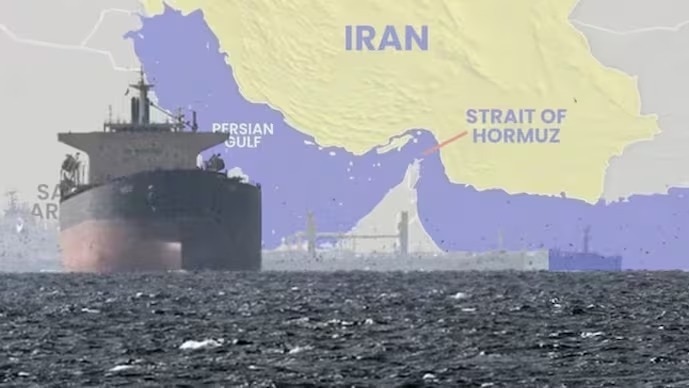
An Iranian warship confronted the Indian oil tanker HAANA in the Strait of Hormuz, deterring its passage as tensions escalate in the region. The incident occurred as Tehran and Oman negotiated a temporary maritime route to facilitate shipping through this critical waterway, which carries one-fifth of global oil and natural gas supplies.124
According to reports from Fars, the Iranian warship intercepted the tanker while it was attempting to navigate the southern route, known as the Oman corridor. The tanker was warned and subsequently deterred from continuing its journey. Notably, no vessel traffic had been observed on this route in the preceding 24 hours, highlighting the heightened tensions in the area.3
Iran's Deputy Foreign Minister, Kazem Gharibabadi, confirmed the agreement with Oman, stating that discussions had been ongoing for about a month. However, he cautioned that the Strait of Hormuz would not fully reopen until the United States fulfills its commitments under a lapsed peace agreement. An IRGC spokesperson indicated that both nations had reached an understanding regarding their shares of the waterway and its revenues, although a senior Iranian source later noted that the agreement was not yet finalized.56
The confrontation underscores the ongoing challenges in the region, where most commercial traffic has been halted, exerting pressure on energy markets and global shipping. Iran has demanded an end to the US blockade and sanctions as conditions for reopening the strait, emphasizing the geopolitical complexities at play.9
“The confrontation follows a temporary maritime route agreement between Tehran and Oman, but a senior Iranian source told Reuters the deal is not finalised. Iran's IRGC spokesman warned the strait will not reopen unless the US returns to the lapsed June peace agreement and lifts sanctions.”