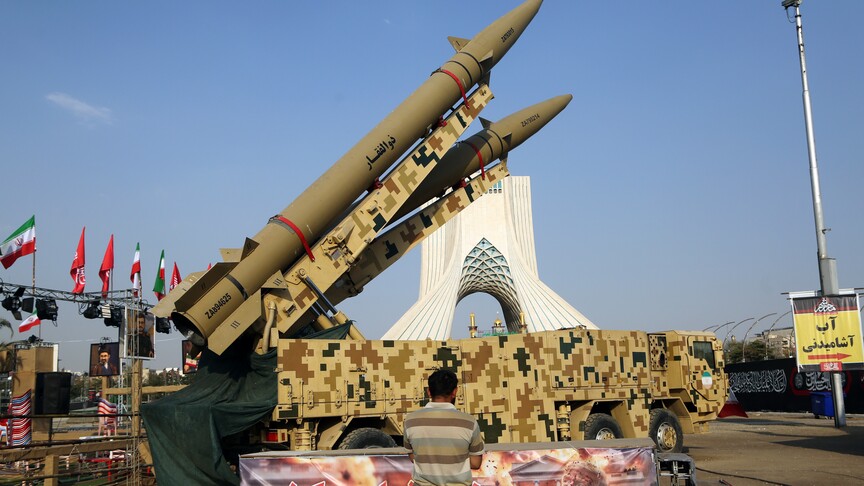
- Iranian missile and drone attacks have caused unprecedented damage to US intelligence facilities and surveillance equipment across the Middle East, with repair costs expected to reach into the billions of dollars, according to a report citing four sources.
- The damage is expected to require billions of dollars to repair or replace, as it has hit buildings and intelligence-gathering equipment used by the CIA and other US spy agencies.
- The scale of the destruction is described as greater than any damage previously sustained by US intelligence agencies.
- Tensions in the Middle East have heightened since the US and Israel launched joint strikes on Iran in February.
- In response, Tehran retaliated with strikes in regional countries hosting US assets.
- Iran and the US signed a memorandum of understanding in mid-June under Pakistani mediation aimed at ending their war and reaching a lasting peace agreement.
- However, talks have since broken down amid ongoing disputes over the memorandum’s terms and navigation through the Strait of Hormuz, a critical route for global energy exports.
Iranian missile and drone attacks have caused unprecedented damage to U.S. intelligence facilities and surveillance equipment across the Middle East, with repair costs expected to reach into the billions of dollars. According to sources, the damage is more extensive than any destruction previously endured by U.S. spy agencies.123
The attacks have impacted buildings and specialized hardware used by the CIA and other American intelligence agencies, prompting Congress to identify funds for restoration and leading officials to reassess personnel deployment in a region facing heightened threats from Tehran's capabilities.
The scale of destruction is described as greater than any damage previously sustained by U.S. intelligence agencies, with assessments indicating that scores of structures and equipment have been hit, including advanced missile-defense radars. Prior estimates for repair costs of broader U.S. facilities in the region have ranged from $2 billion to more than $5 billion, focusing primarily on military infrastructure rather than dedicated intelligence sites.
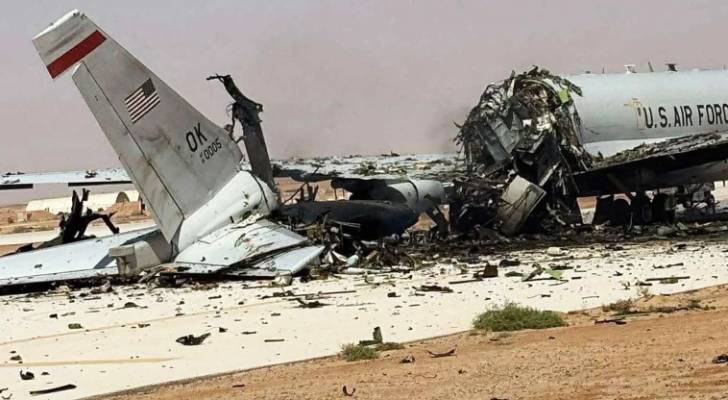
The Iranian strikes are part of a broader conflict that escalated following U.S. and Israeli operations against Iran that began in late February. Despite a memorandum of understanding signed in mid-June aimed at peace, talks have since broken down amid ongoing disputes.78
The latest assessments underscore the vulnerability of fixed intelligence and surveillance positions to Iran's retaliatory campaign, even as U.S. forces have conducted extensive operations against Iranian targets.
“The damage, which hit buildings and specialized hardware used by the CIA and other spy agencies, is more extensive than any destruction those agencies have previously endured. The attacks have forced Congress to identify funds for restoration and prompted officials to reassess deployment of personnel and intelligence resources in the region.”


 Roya News