- President Pezeshkian said, "It is better that we bring the war to an end now as we are in a position of power and dignity," emphasizing that the whole world acknowledges our victory and condemns US actions.
- Pezeshkian defended the June agreement with Washington against hardline critics, stating, "They cannot find even a single clause in this agreement that indicates capitulation. All the commitments concern the other side."
- US Treasury Secretary Scott Bessent warned that Washington would "collapse" the Iranian government with a sanctions campaign, which Iran condemned as economic terrorism.
- Days after the memorandum of understanding expired, Iran’s military leadership warned of readiness to strike back, with Major-General Ali Abdollahi stating, "With preparedness across land, sea, air, air defence and cyberspace, Iran’s armed forces will respond to the enemy’s new threats with crushing, punishing and devastating responses."
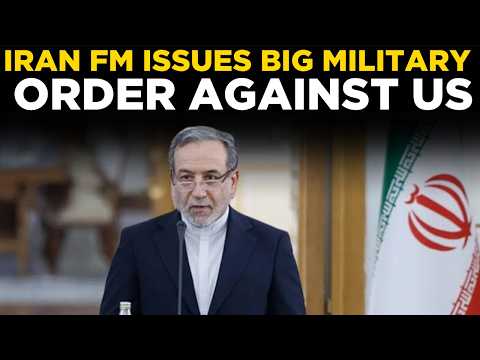
- Omani and Iranian foreign ministers discussed ways to create suitable conditions for resuming dialogue and negotiations, as well as developments affecting navigation in the Strait of Hormuz, while Tehran keeps the waterway partially shut and Washington maintains a naval counterblockade.
- US media reports indicate the US navy has been organising and protecting secret convoys of tankers through the southern sector of the strait, enabling between five and 10 million barrels a day of oil to be exported.
Iranian President Masoud Pezeshkian has called for an end to the ongoing conflict with the United States, emphasizing that Tehran is currently in a position of power and dignity. In a meeting with doctors, he stated, “It is better that we bring the war to an end now” as diplomatic talks remain stalled.12
Pezeshkian defended a June agreement with Washington against hardline critics in parliament, asserting, “They cannot find even a single clause in this agreement that indicates capitulation. All the commitments concern the other side”. This comes as U.S. sanctions loom, with Treasury Secretary Scott Bessent warning that Washington would “collapse” the Iranian government through a sanctions campaign.3456
Meanwhile, Iran’s military leadership has issued warnings, stating that the country is prepared to respond to any new threats. Major-General Ali Abdollahi, chief of staff of Iran’s armed forces, declared, “With preparedness across land, sea, air, air defence and cyberspace, Iran’s armed forces will respond to the enemy’s new threats with crushing, punishing and devastating responses”.78
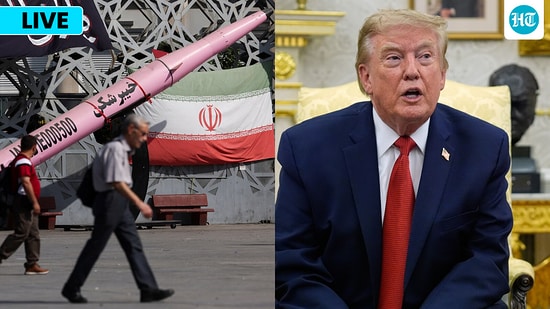
In the backdrop, Omani and Iranian foreign ministers are exploring ways to resume dialogue, while the U.S. Navy continues to protect oil tankers in the Strait of Hormuz amidst ongoing tensions. President Donald Trump expressed skepticism about Tehran’s willingness to negotiate, stating, “They would love to make a deal, but they’re not ready to make the right deal, in my opinion”.910
Iran’s Ministry of Foreign Affairs condemned the U.S. sanctions as “economic terrorism”, while China’s Ministry of Foreign Affairs urged for a resolution through political and diplomatic means.
“Pezeshkian argued the whole world acknowledges Iran's victory and that America is hated for attacking schools and hospitals. Meanwhile, US Treasury Secretary Scott Bessent warned of a sanctions campaign to 'collapse' the government, which Iran condemned as 'economic terrorism' and China said would not help.”