- Iran warned countries against participating in the United States' economic war against the Islamic republic, saying they would be considered enemies.
- Any country participating in the imposition of economic restrictions against Iran is considered an enemy, according to Mohsen Rezai.
- If the countries concerned refused to distance themselves from the United States, Iran would harm their interests.
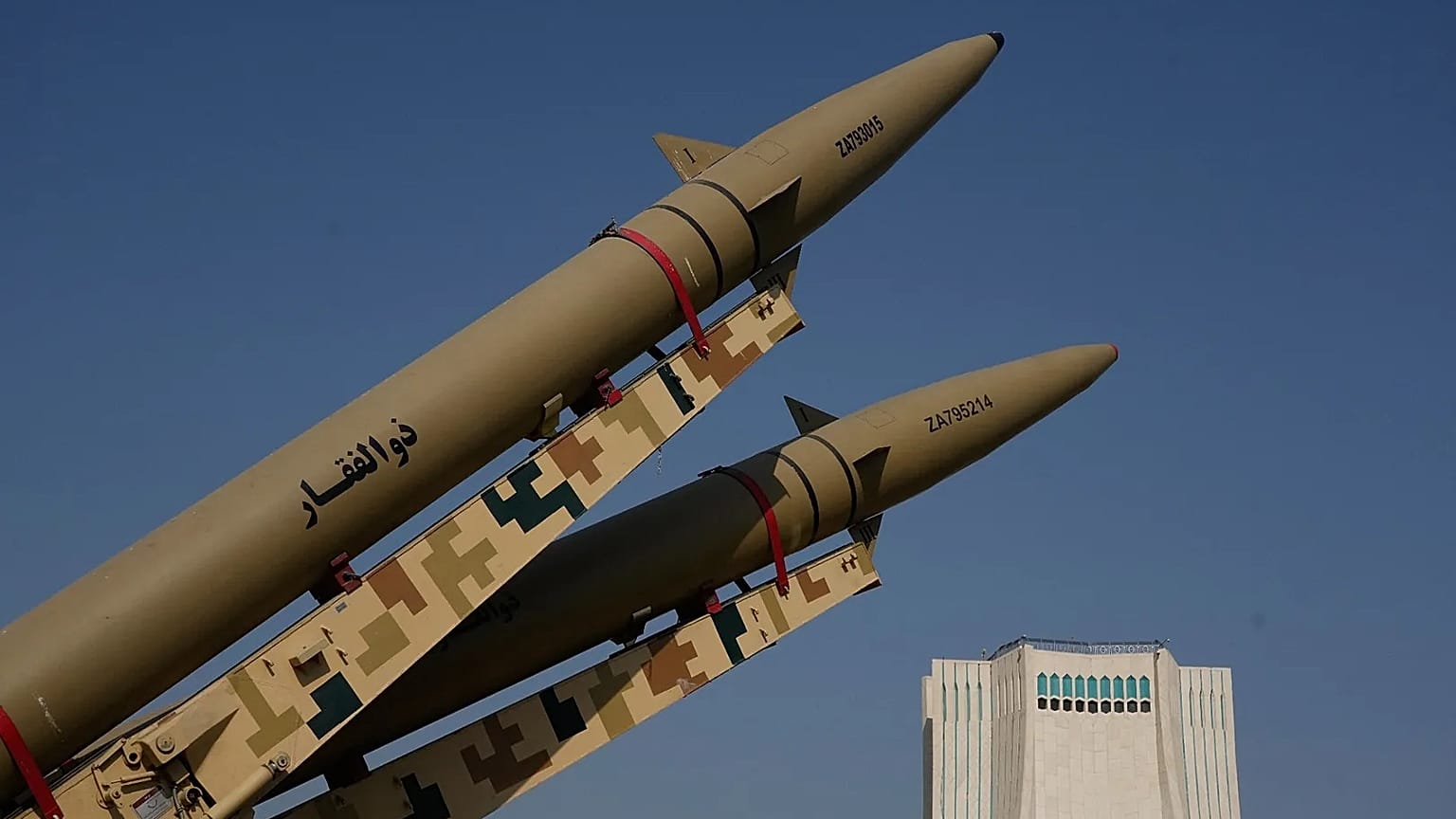
- Mohsen Rezai threatened that Iran would strike US oil and economic companies around Iran if sanctions were imposed.
- The United Arab Emirates announced it was suspending all trade and financial transactions with Iran until further notice.
- China criticized the US sanctions initiative, arguing that they would not resolve the conflict in the Middle East.
- The US and Israel have been locked in a war with Iran since February 28, when the two allies launched an initial volley of attacks against Tehran.
- Trump's administration has threatened tremendous economic consequences for any country that provides Iran with any type of lifeline.
- Iran's Foreign Ministry spokesperson described the imminent US announcement of new economic sanctions as an assertion of extraterritorial sovereignty over every independent member state of the United Nations.
Iran has issued a stark warning to countries considering participation in the U.S. 'economic war,' stating they will be deemed enemies and face targeted actions. Mohsen Rezai, head of Iran's Supreme National Security Council, emphasized, "Any country participating in the imposition of economic restrictions against us is considered an enemy."12
The United Arab Emirates, a key trading partner, has responded by suspending all trade and financial transactions with Iran until further notice. This move comes amid escalating threats from the U.S. administration, which has vowed to implement the "toughest sanctions in history" against Iran. Rezai warned that if countries do not distance themselves from U.S. policies, Iran will "harm" their interests, potentially targeting U.S. oil and economic companies in the region.35

Rezai elaborated on Iran's strategy, stating, "First we negotiate. Then, we try to separate them from America with pleasant language, because we are not really looking to expand the war." However, he cautioned that if necessary, Iran would take decisive action, indicating a willingness to escalate military responses if economic pressures continue.
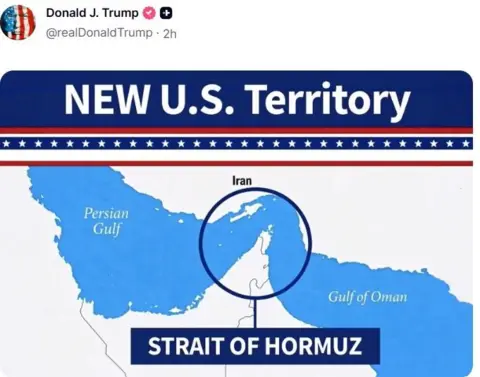
The backdrop of these tensions includes ongoing military operations and a failure to reach a diplomatic resolution, with control over the Strait of Hormuz remaining a critical point of contention. As the situation develops, Iran's leaders are prepared to retaliate against any nations that align with U.S. sanctions, further complicating regional dynamics.
“Rezai outlined a three-stage strategy: first negotiate, then use 'pleasant language' to separate neighbors from America, and finally 'definitely act' against those who side with the US. He also threatened to target alternative oil-shipping routes out of the Gulf if regional states join the sanctions.”