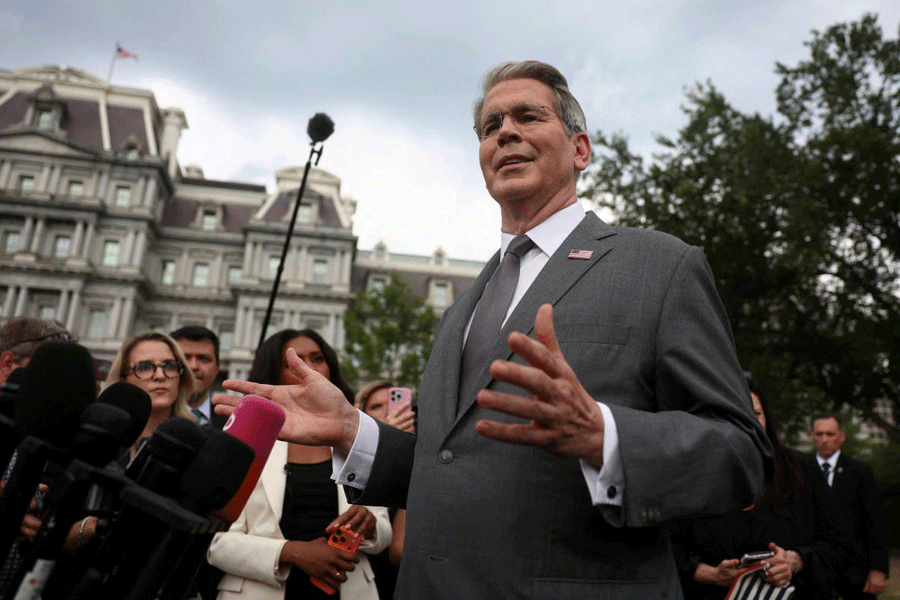
- Bessent announced on Thursday the toughest sanctions ever imposed on Iran, with details to be detailed on Monday.
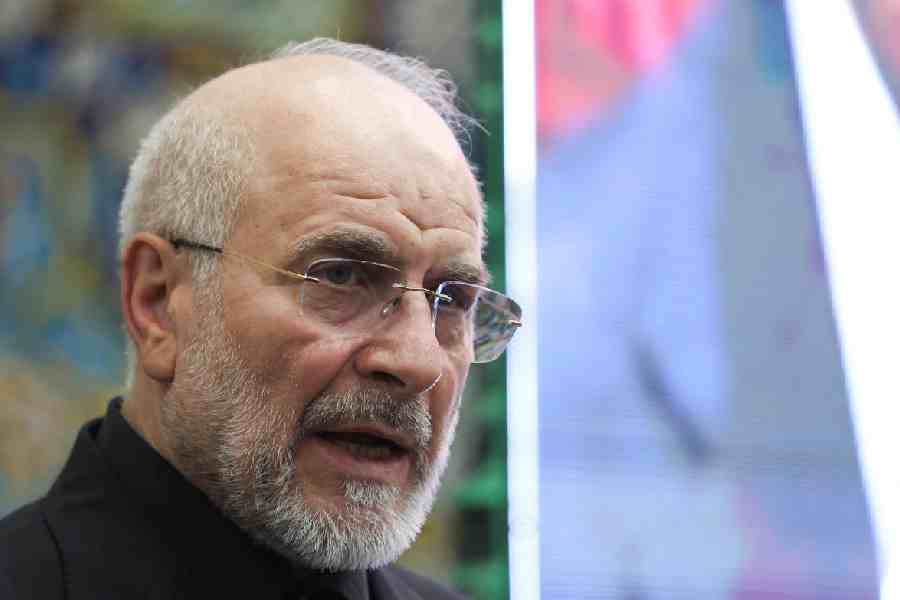
- Mohammed Baqer Qalibaf stated that Iran must plan to overcome 'unjust sanctions', following Bessent's announcement.
- Qalibaf accused the United States and Israel of waging economic and 'cognitive' warfare, asserting they could not win in a direct military confrontation.
- Qalibaf called for stronger economic ties between Baghdad and Tehran, suggesting the use of national currencies to reduce reliance on the US dollar.
- Qalibaf, a key political figure in Iran, emphasized that economic development and security are closely linked.
- "If you look at the resources and raw materials of Muslim countries, you will realize that our enemies come to plunder them," Qalibaf stated.
- "Therefore, we must make plans to deal with the unjust sanctions so that we can overcome them," Qalibaf added.
Iran's parliament speaker Mohammed Baqer Qalibaf emphasized the need to combat 'unjust sanctions' after US Treasury Secretary Scott Bessent announced the toughest sanctions yet, with details expected Monday. Qalibaf accused the US and Israel of economic warfare, asserting that they aim to plunder Muslim countries' resources.1234567
"If you look at the resources and raw materials of Muslim countries, you will realize that our enemies come to plunder them," Qalibaf stated during a meeting with Iranian and Iraqi business representatives in Baghdad. He urged for plans to overcome these sanctions, linking economic development directly to national security.
Additionally, Qalibaf called for enhanced economic cooperation between Iran and Iraq, suggesting the use of national currencies in trade to diminish reliance on the US dollar. This move is seen as a strategic effort to bolster economic ties amidst increasing sanctions and geopolitical tensions.
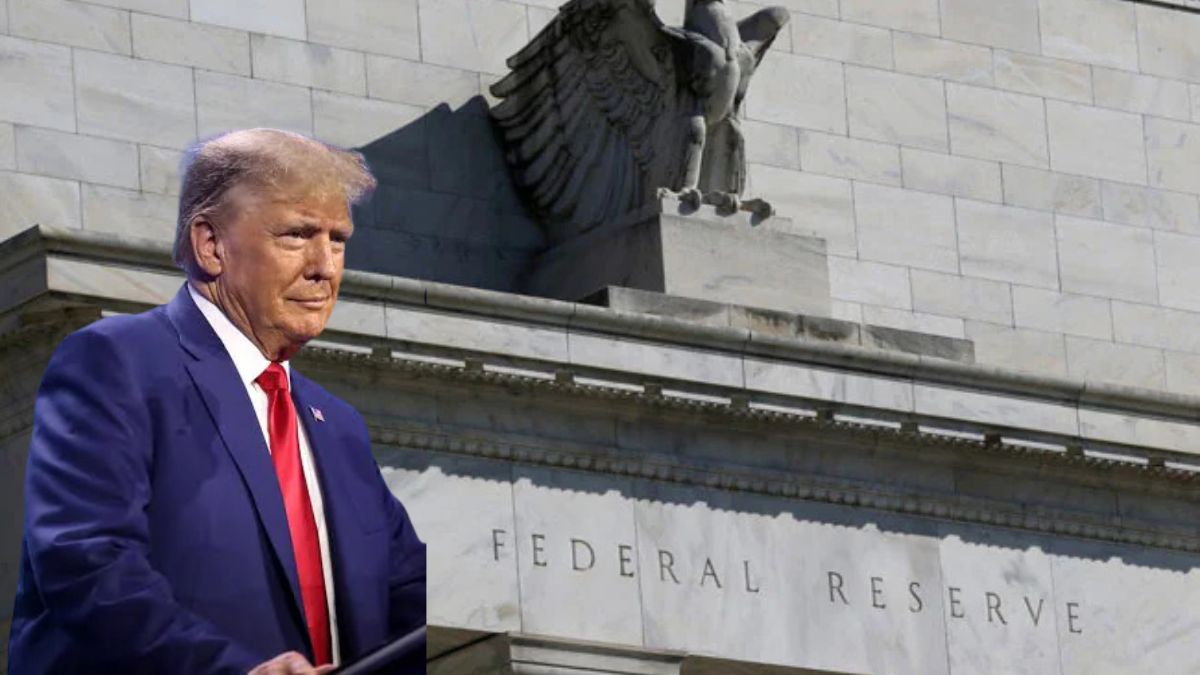
Bessent's announcement indicates a shift in US policy, potentially reducing the need for military action against Iran, as he noted that the measures would be detailed on Monday, hinting at a comprehensive approach to the ongoing conflict.
“Qalibaf, Tehran's top negotiator, accused the US and Israel of waging economic and 'cognitive' warfare after concluding they could not win a direct military confrontation. He urged stronger Baghdad-Tehran ties and using national currencies in trade to cut reliance on the US dollar.”