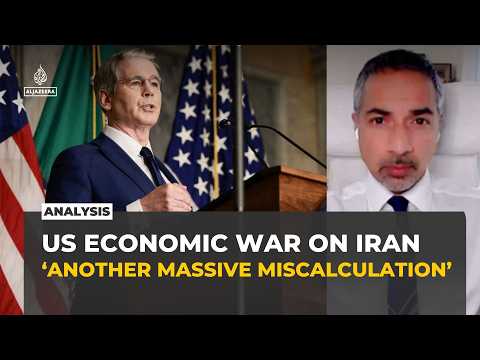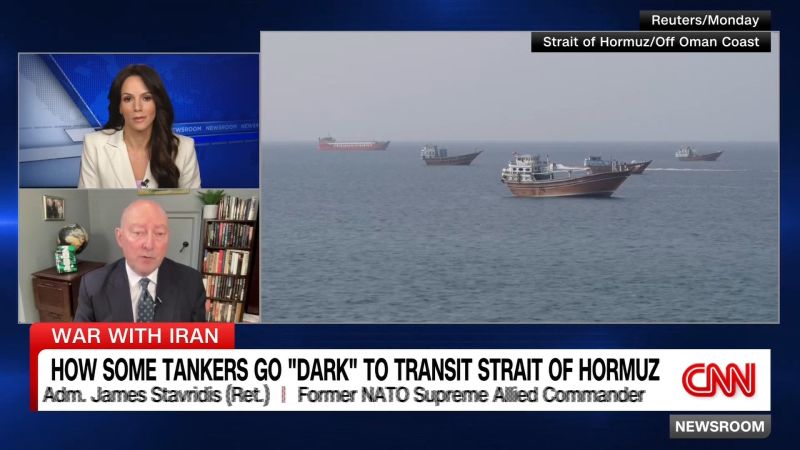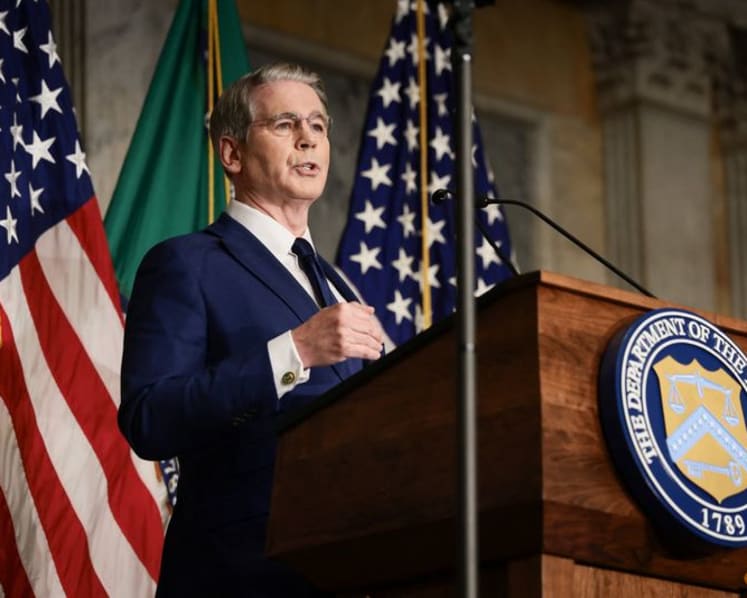
- The U.S. Treasury announced new sanctions on 60 individuals, entities and vessels, but the list did not include any of the Chinese financial institutions suspected of facilitating Iran's oil trade.
- Iranian Economy Minister Ali Madanizadeh said, "We are fully prepared for the US sanctions," and warned that "the enemies should wait for an attack," adding that neither China nor Russia had accepted the US measures.
- Brigadier General Hossein Mohebbi, a spokesperson for Iran's Islamic Revolutionary Guard Corps, vowed heavy blows to US vital interests and energy chokepoints if Iran's infrastructure is threatened.
- Pakistani army chief Asim Munir visited Iranian President Masoud Pezeshkian in Tehran on Monday in a peace mission, after speaking with Trump last week.
- Despite the announcement, oil prices fell more than US$2 a barrel on Monday, though investors braced for further supply disruptions from the Middle East.
- The U.S. dollar struggled to hold onto gains against major peers as markets weighed the impact of the Iran sanctions and Treasury buybacks.
- Iran promised to retaliate against expanded US sanctions that Washington said would cut off Iran's economic lifeline, with Tehran expressing confidence that major trading partners would resist the pressure campaign.
- Bessent declined to identify targeted countries or reveal when penalties would take effect, saying, "Why would I want to blow up the global financial system?" and that he wanted to give countries and companies time to sever ties.
Iran has vowed to retaliate against the U.S. following the announcement of expanded sanctions that threaten its economic lifeline. Treasury Secretary Scott Bessent's measures target 60 individuals and entities but stop short of harsher penalties, aiming to give countries time to comply.
Iran's Economy Minister Ali Madanizadeh stated, "We are fully prepared for the US sanctions." He emphasized that Iran has tools to counteract the sanctions, asserting, "Our defence is no longer so defensive; the enemies should wait for an attack." Brigadier General Hossein Mohebbi of Iran's Islamic Revolutionary Guard Corps warned of "heavy blows to US vital interests" if Iran's infrastructure is threatened.2345
Despite the sanctions, oil prices fell over US$2 a barrel, indicating market skepticism about the effectiveness of the measures. Bessent noted that countries continuing to trade with Iran risk exclusion from the dollar-based financial system, but he refrained from identifying specific targets, stating, "Why would I want to blow up the global financial system?" This approach aims to avoid immediate penalties while allowing time for compliance.
As tensions rise, Pakistani army chief Asim Munir visited Iran, advocating for a peaceful resolution. Iranian President Masoud Pezeshkian remarked, "The United States must correct its tone and approach in interacting with Iran..." indicating a desire for diplomatic engagement amidst escalating sanctions.6
“The Treasury's new sanctions target 60 individuals, entities and vessels but omit Chinese financial institutions, a move Bessent defended by saying, "Why would I want to blow up the global financial system?" Meanwhile, oil prices fell more than $2 a barrel despite the threat of supply disruptions.”